For a decade, the Canadian Queen Elizabeth II Diamond Jubilee Scholarships (QES) program has been giving young people the opportunity to learn across borders, build lasting relationships and bring new perspectives back to their communities.
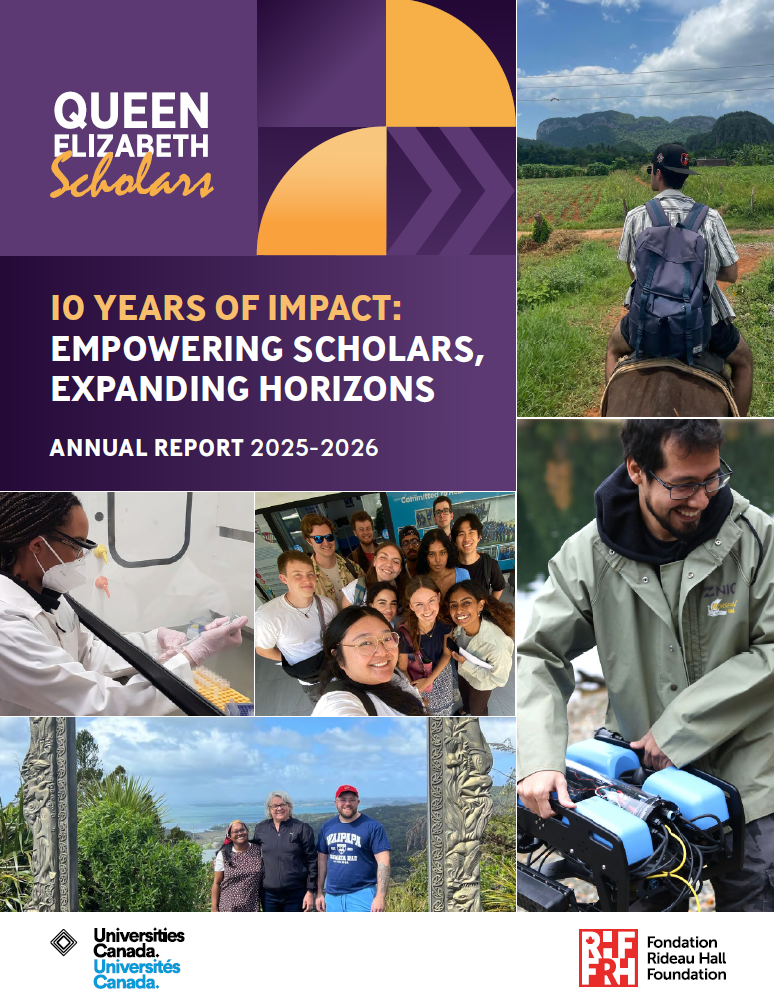
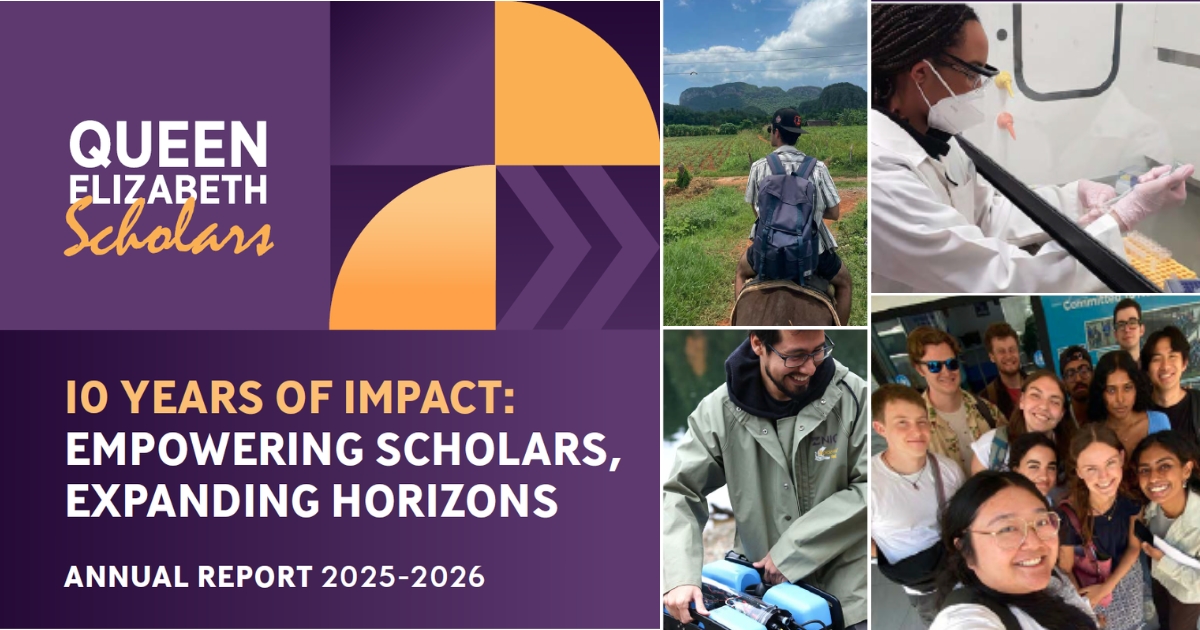
The newly released 2025–2026 QES Annual Report marks 10 years since the first QE Scholars began their experiences in the field, reflecting a decade of impact.
Since its launch, QES has supported 2,876 scholars through 134 projects involving 55 Canadian post-secondary institutions and 83 countries. Scholars have studied, researched and worked alongside more than 650 partners around the world.
The numbers tell part of the story. Among scholars participating in student-focused projects, 98% reported increased knowledge and skills, 96% increased communication skills, 93% increased global awareness and 86% increased leadership skills. Across the program, these experiences are helping young people develop the confidence, adaptability and cross-cultural understanding to contribute at home and around the world.

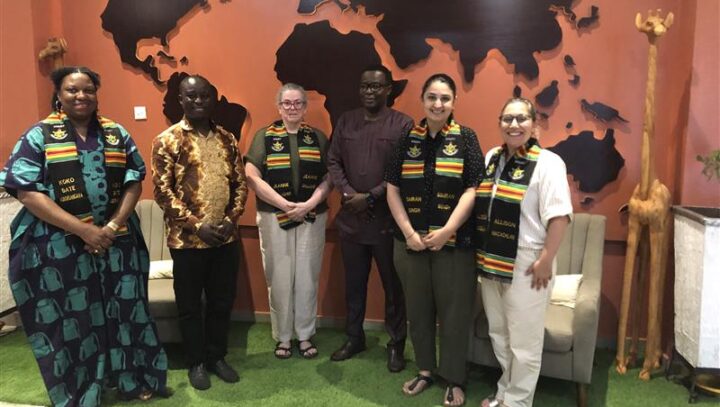
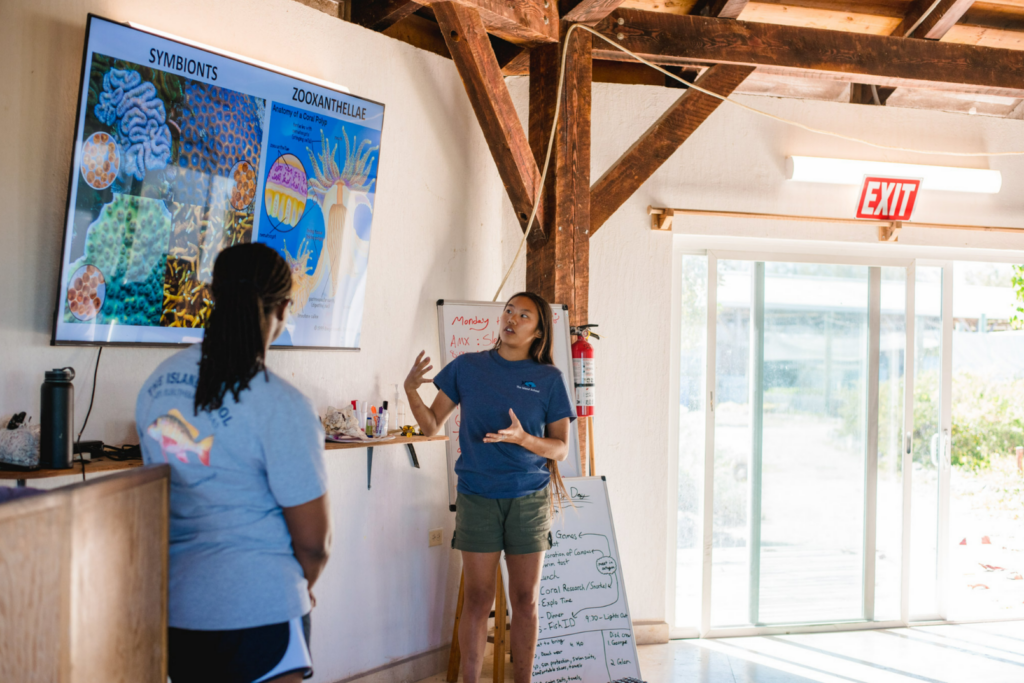
The report brings that impact to life through the experiences of individual scholars. At the University of Waterloo, for example, students worked alongside peers and researchers in Ghana to explore the effects of climate change, plastic pollution and water insecurity.
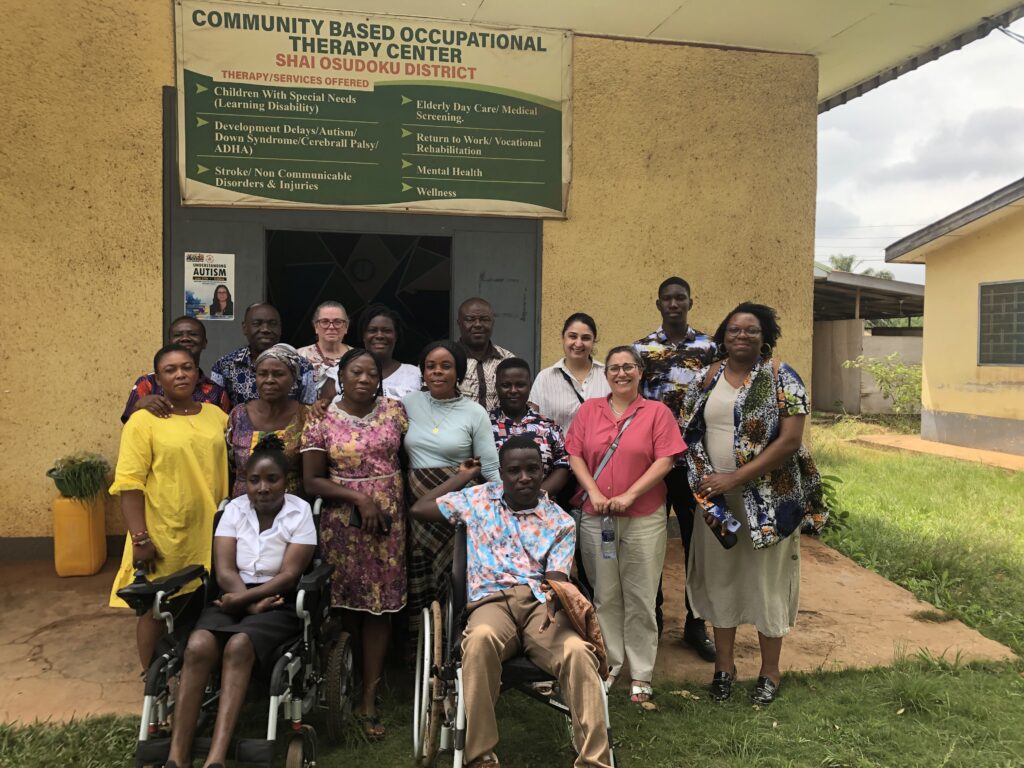
Rather than developing solutions for communities, students were encouraged to listen, learn and work collaboratively with local partners, an approach grounded in empathy and global citizenship.
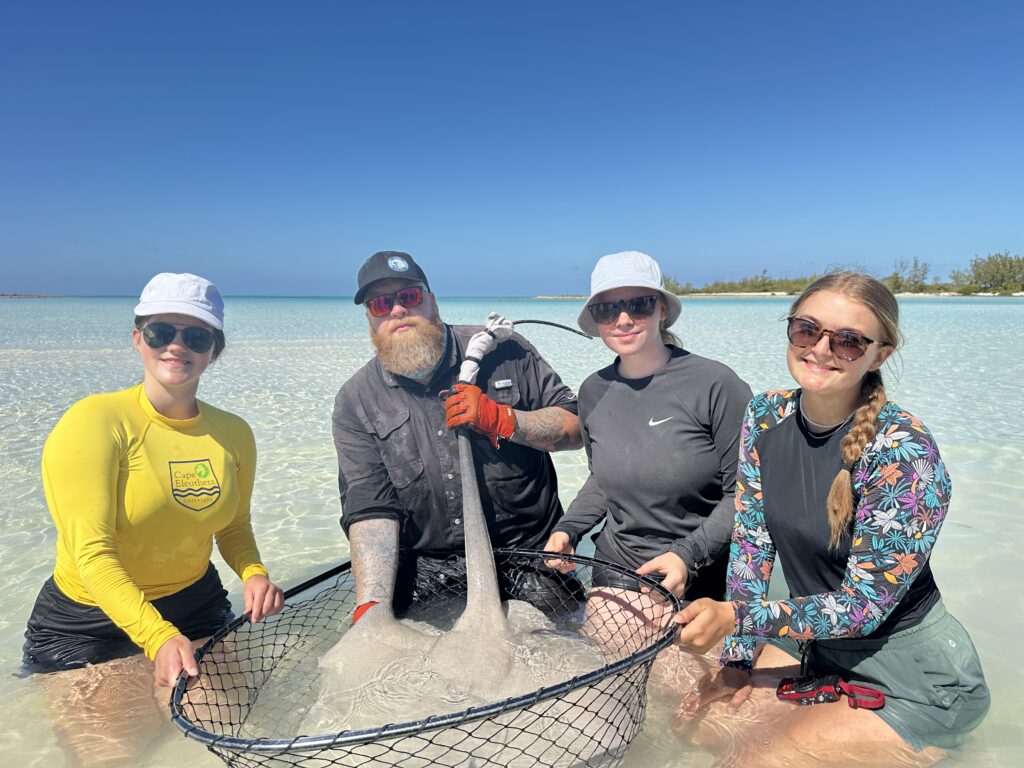
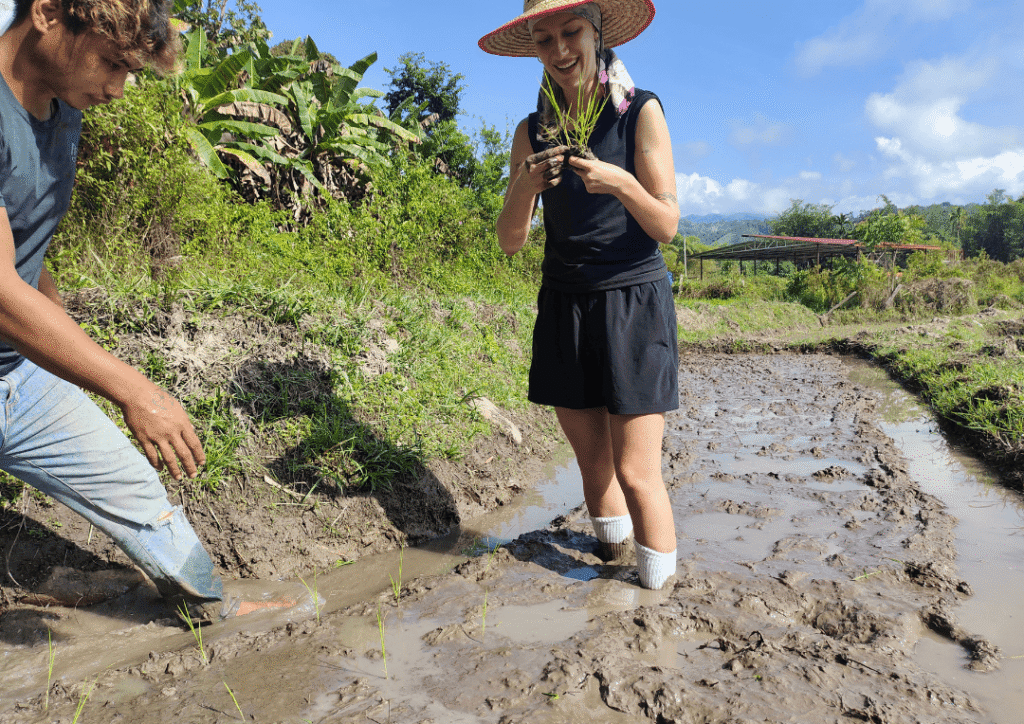
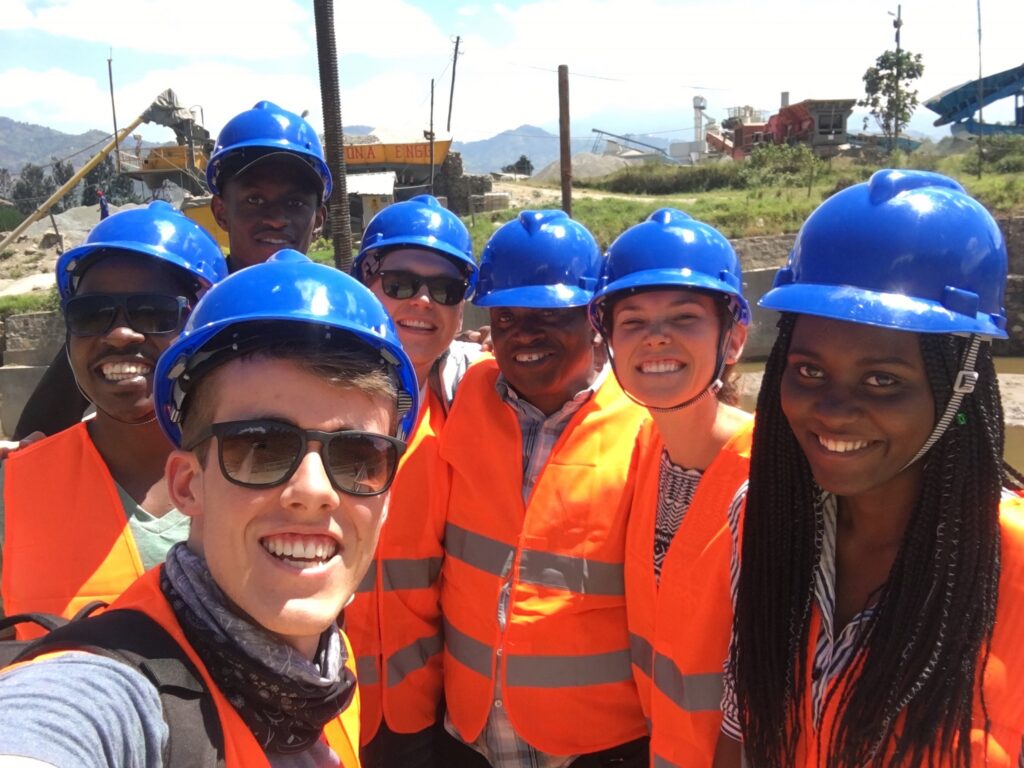
“I’ve grown as a leader by being reminded that meaningful change starts with empathy, listening and designing with people’s lived health experiences at the centre” Jordan Wilton, QE Scholar – University of Waterloo
Perhaps the clearest measure of QES’s impact, however, is what happens after a scholarship ends. The anniversary report reconnects with some of the program’s earliest scholars and finds them applying their experiences in fields ranging from public health and climate action to research and finance.
For alumna Sarah Crawford, her QES experience in Uganda helped shape the direction of her career. Today, she works in health research with a focus on marginalized populations.
“My QES experience in Uganda changed how and what I wanted to do in this world,” says Crawford. “It inspired me to follow a career in health research, specifically in harm reduction and a focus on our society’s most marginalized.”
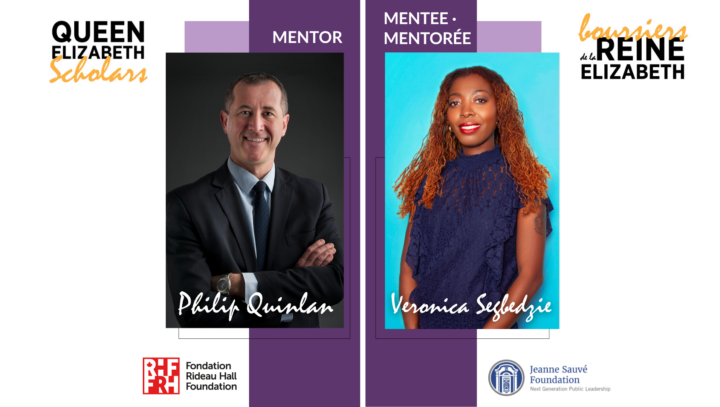
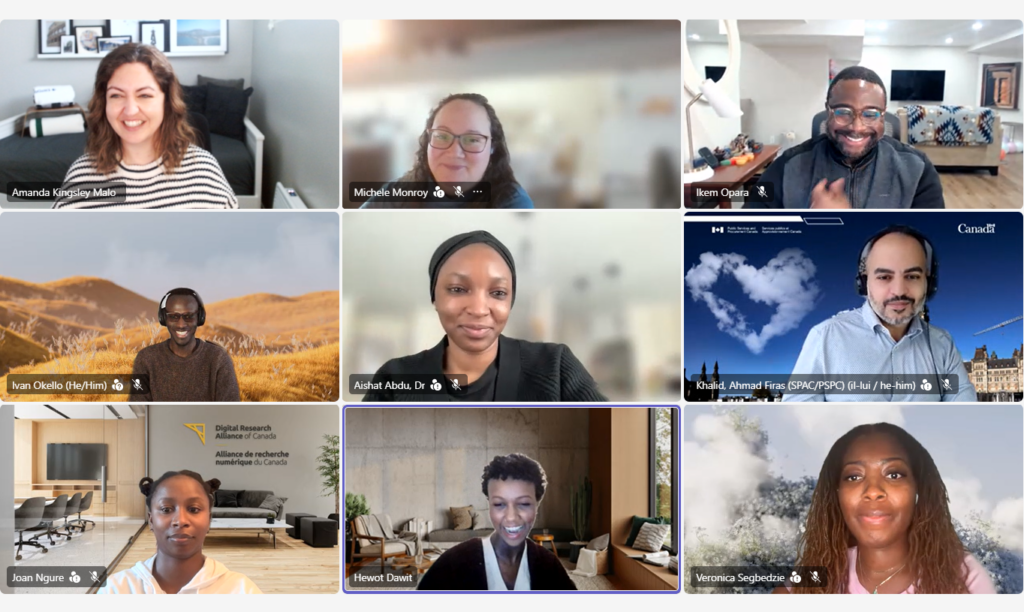
That lifelong connection is continuing to grow. Last year, the RHF launched the Jeanne Sauvé–QES Mentorship Program, connecting QES alumni with experienced mentors from a range of sectors.
Eight alumni participated in the first year, extending the opportunities for professional growth, connection and collaboration that begin with the QES experience. The second cohort is now underway, with 11 alumni participating in the program.
As QES enters its next decade, its impact is reflected not simply in how far scholars travel, but in what they bring home: new knowledge, stronger networks, greater confidence and a deeper understanding of their place in an interconnected world. As the annual report concludes, investing in collaborative, cross-border education is ultimately an investment in the leaders who will shape our shared future.