In Ghana, children and youth with disabilities experience ongoing inequitable access to education, clean water, and health services. Too often, research meant to address these inequities has been conducted without the meaningful participation of the very people it seeks to serve. Queen’s University’s Queen Elizabeth Scholars–Advanced Scholars West Africa (QES-AS-WA) project is working to change that by redefining who leads research, how knowledge is created, and where impact begins.
The Community-based Participatory Research in Health Equity and Inclusive Education Systems for Persons with Disabilities and their Families project is grounded in a simple but transformative principle: people with disabilities and their families must be partners in every stage of research that affects their lives. Hosted by Queen’s University and led by Professor Heather Aldersey, the project builds on Queen’s longstanding expertise in Community-Based Participatory Research (CBPR), an approach that prioritizes equity, collaboration, and shared ownership of knowledge.
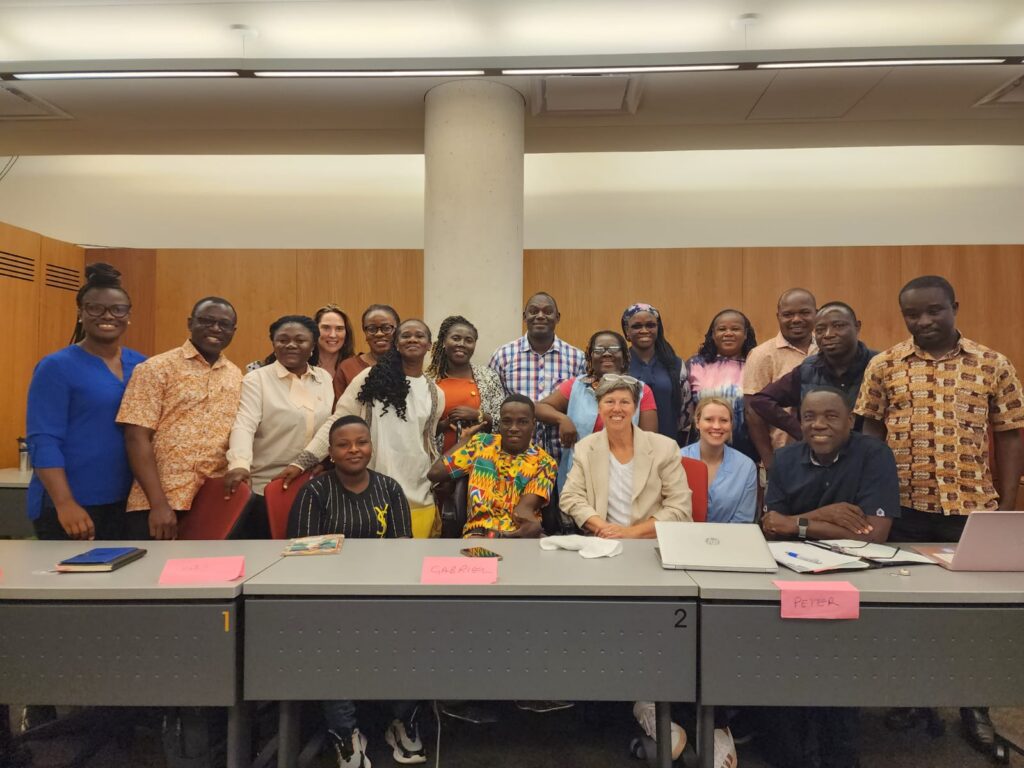
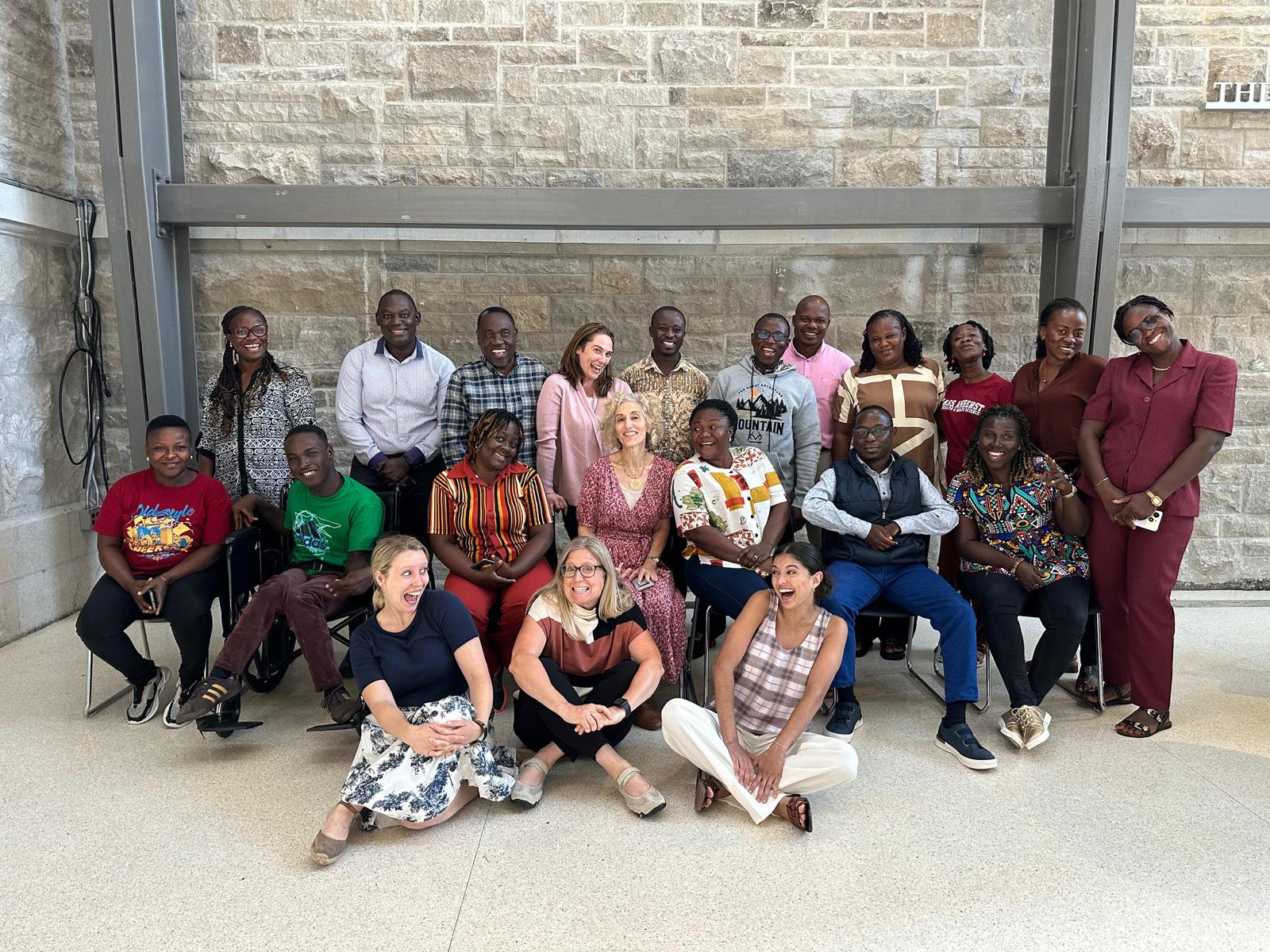
The project began by bringing Ghanaian and Congolese researchers to Canada for a summer institute at Queen’s in 2023 alongside community organization members, including people with disabilities. Unlike traditional academic training programs, the institute deliberately flattened hierarchies between academics and community partners. Scholars and community members participated in the same training together and spent time co-designing research projects that continued long after the institute ended.
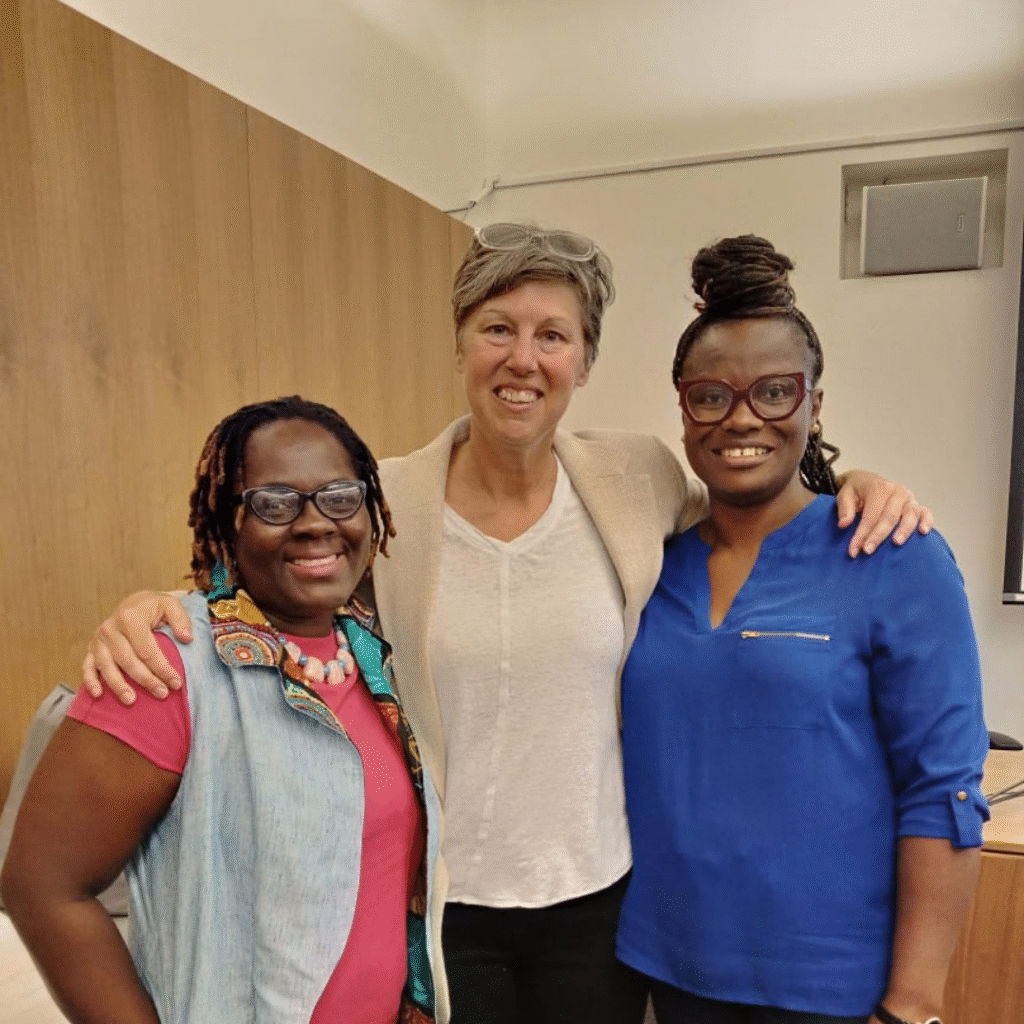
Building research questions and design with community members as equal partners is an approach that challenges common research practices and offers an example of what community participation truly means.
These collaborations have translated into locally relevant research initiatives. Scholars from the University of Ghana are working with community partners on inclusive education policy, while researchers from Kwame Nkrumah University of Science and Technology (KNUST) are addressing access to water, sanitation, and hygiene (WASH) for students with intellectual and developmental disabilities. This is an issue with direct implications for school attendance, dignity, and health.
As Ebenezer Dassah, Lecturer with the Department of Global and International Health (School of Public Health) at KNUST, points out:
“The voices of the students have helped highlight the urgent need for more inclusive WASH infrastructure that supports the dignity, health, and participation of learners with disabilities. The findings have since been shared with education stakeholders, school authorities, and local community members through t-shirts with targeted messages, and local radio discussions to raise awareness and inform more disability-responsive policies and school facility design in Ghana.”
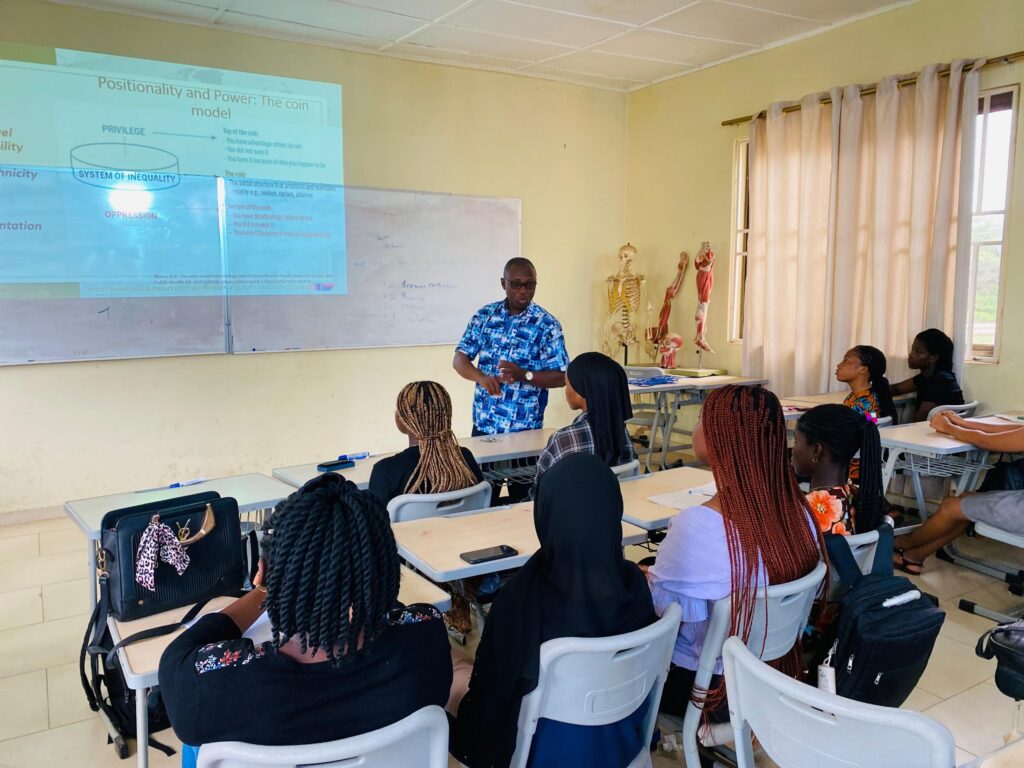
Other participants and collaborators in the program also point to various impacts from the classroom to the community. For example, Isaac Owusu, Senior Lecturer with the Centre for Disability and Rehabilitation Studies at KNUST recognizes the long-lasting impact the program has had on his approach in the classroom saying:
“The QES experience significantly reshaped how I teach community development. Integrating CBPR principles into my classroom has helped students move beyond theory to critically engage with issues of power, participation, and partnership in real-world research contexts.”
Furthermore, a QE Scholar, Elizabeth Peprah-Asare reflected on community impact noting:
“I was deeply inspired by the creativity and innovation employed by OT Daniela’s Mother’s Group in using drama to demonstrate agency and resiliency to advocate for Inclusive Education (IE) for their children living with disability in Dodowa, Accra. It was inspiring to witness how Dr. Peter O. Ndaa and his colleagues hosted an extraordinary durbar stakeholder event which united the local community to rally around IE through speeches, plays, first-hand accounts from students, and delicious local cuisine, while also building bridges with high-level leaders in government and law enforcement.”
Crucially, community partners are not just informants; they are co-researchers, shaping methodology, data collection, analysis, and how findings are shared locally. This ensures that research outputs are accessible, actionable, and accountable to the communities they are meant to benefit.
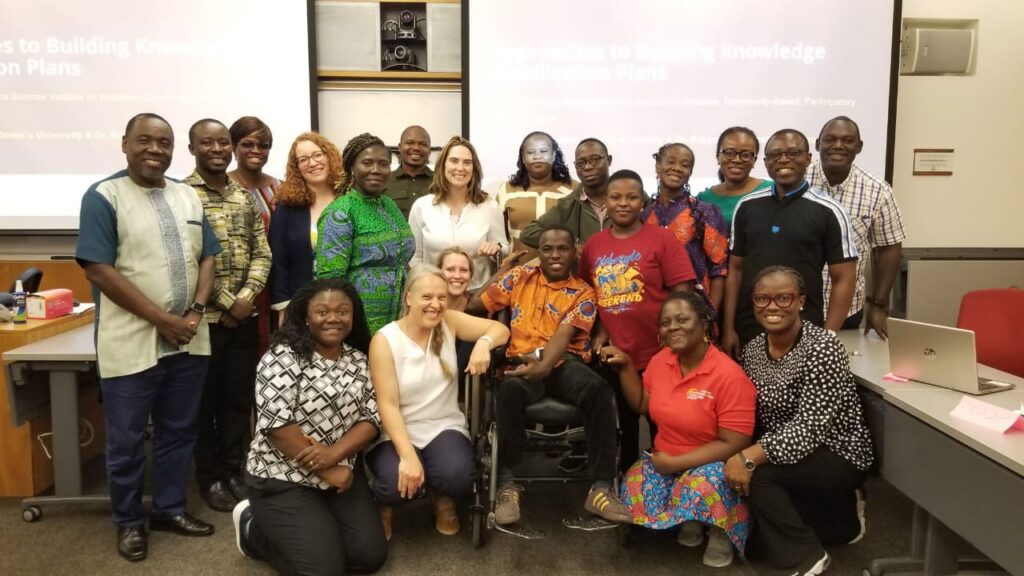
For example, as Dr. Dassah noted above, the researchers at KNUST and community partners working on the water and sanitation project used community radio as a means of knowledge sharing while the project leads at the University of Ghana organized a number of community meetings to talk about education access and policy with leaders, mothers, children, and community members.
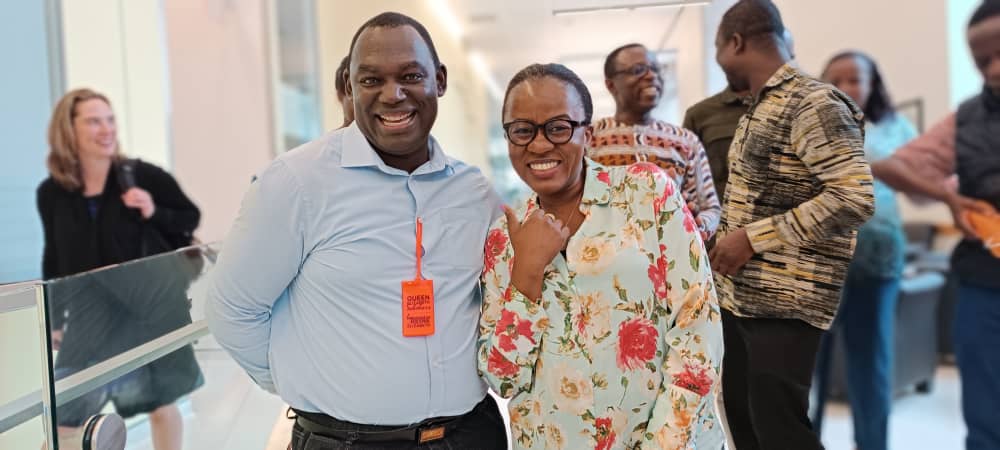
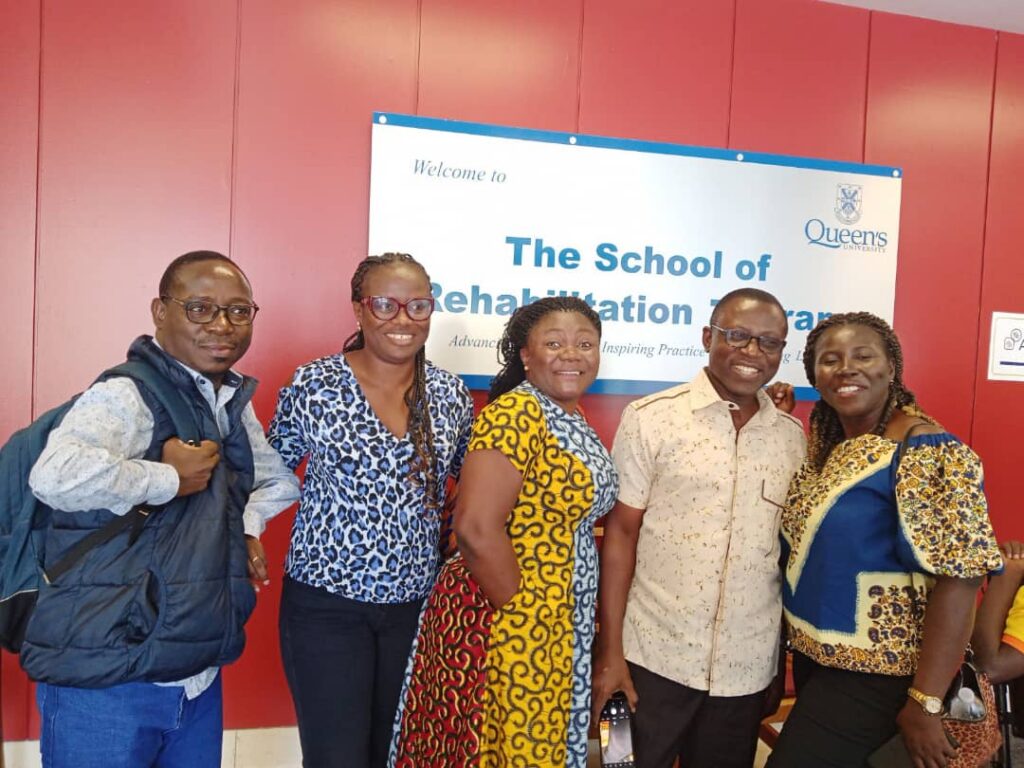
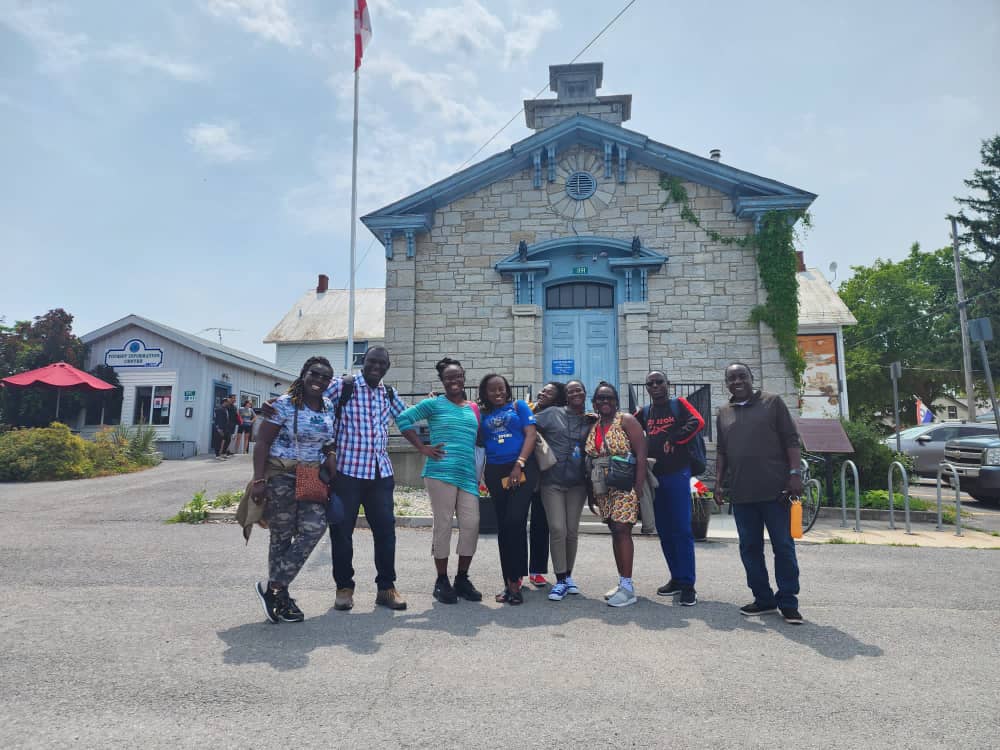
Placing value on all voices and creating opportunities to share knowledge between individuals and communities from different vantage points is critical to the success of this project. Project activities prioritized two-way exchanges of knowledge between Global North and Global South contexts whenever possible. For example, while in Canada, QE Scholars from West Africa collaborated with a parent-led developmental disability advocacy organization in Ontario to study quality education.
Over the course of several years and across multiple QES cohorts, the collaboration with the Ontario Developmental Disability Advocacy and Support Network has continued and gone from developing an ethics application and research questions to conducting interviews to data analysis. This is a prime example of a transnational research network coming together and all this work will culminate in a manuscript that explores what quality education means from the perspective of parents of children with developmental disabilities in Ontario.
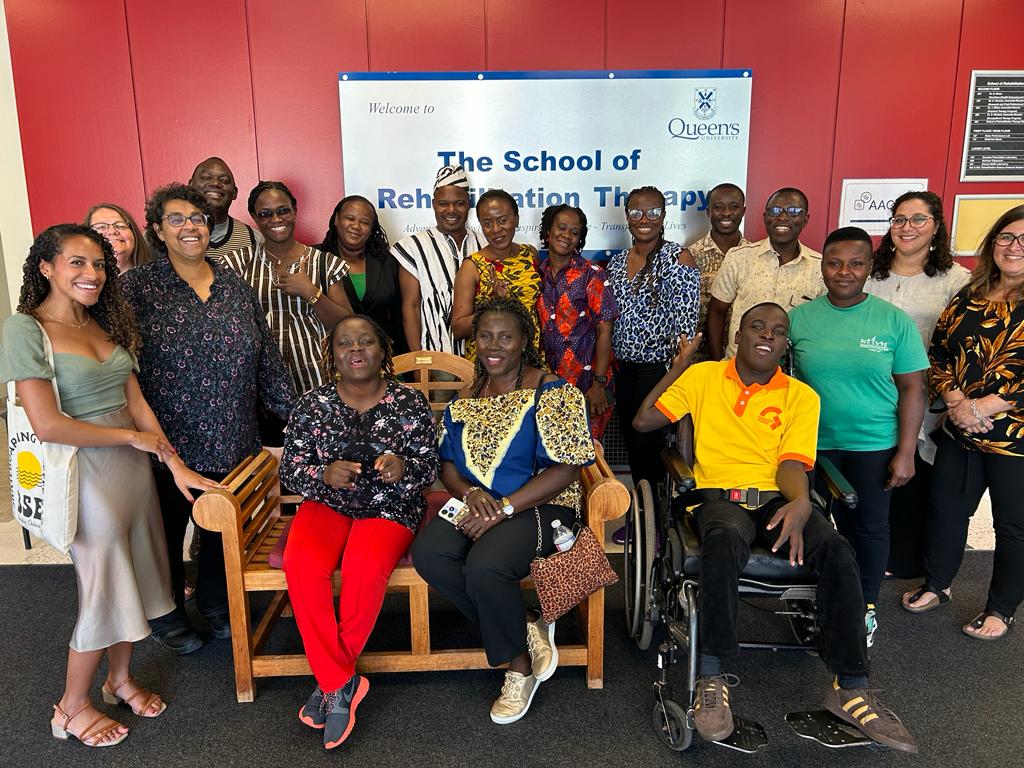
Equally important are the relationships formed outside formal research spaces. Shared meals, community events, and cultural exchanges in Kingston helped build trust and connection which lays the groundwork for future collaboration.
As Aldersey notes, these human connections ensure that partnerships don’t end when funding cycles do.
By centring lived experience, challenging extractive research models, and investing in long-term collaboration, Queen’s QES-AS-WA project is creating impact in communities working toward more inclusive, equitable futures on their own terms.