Across the Caribbean, non-communicable diseases (NCDs) such as Type 2 diabetes and cardiovascular disease are rising at alarming rates. Changing food systems, increasingly sedentary lifestyles, and the erosion of traditional diets have created a nutrition transition with profound consequences for public health. Addressing these challenges requires more than short-term interventions. The response to this mounting crisis demands locally grounded research, culturally relevant solutions, and sustained capacity within health and education systems.
Through the Queen Elizabeth Scholars (QES) program, the University of Saskatchewan’s project Strengthening Capacity to Tackle Non-Communicable Disease in the Caribbean is working to meet this need. In partnership with the University of the West Indies (UWI), the project focuses on strengthening regional expertise while supporting community-driven approaches to prevention and care.
At the centre of the project is collaboration.
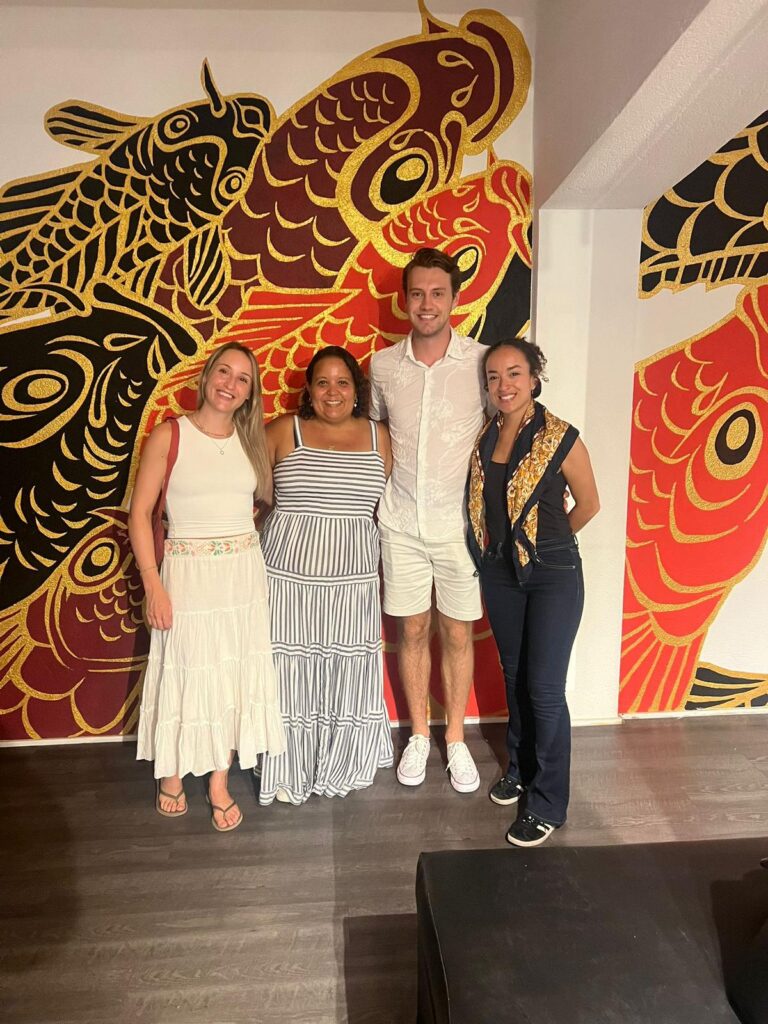
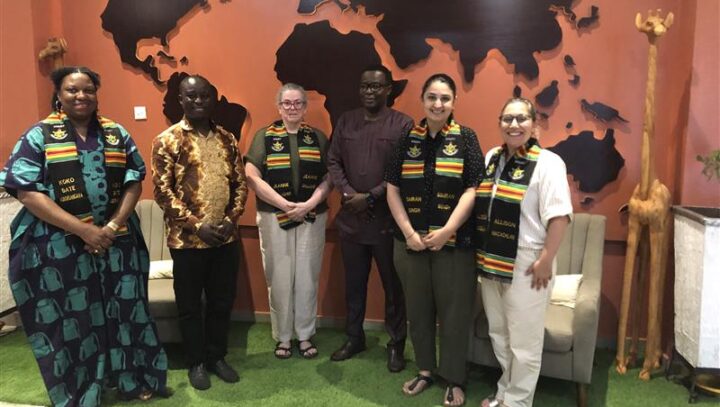
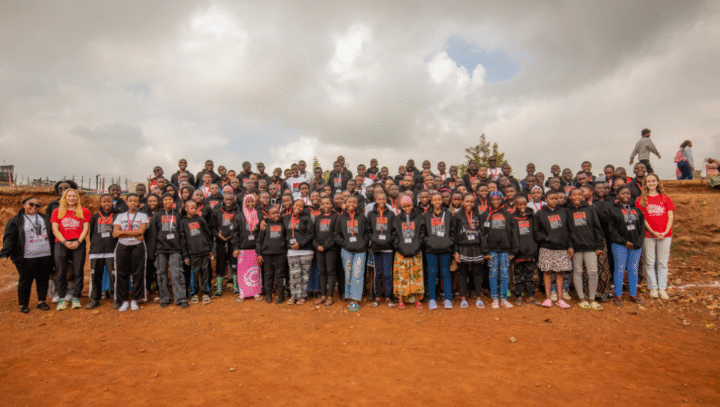
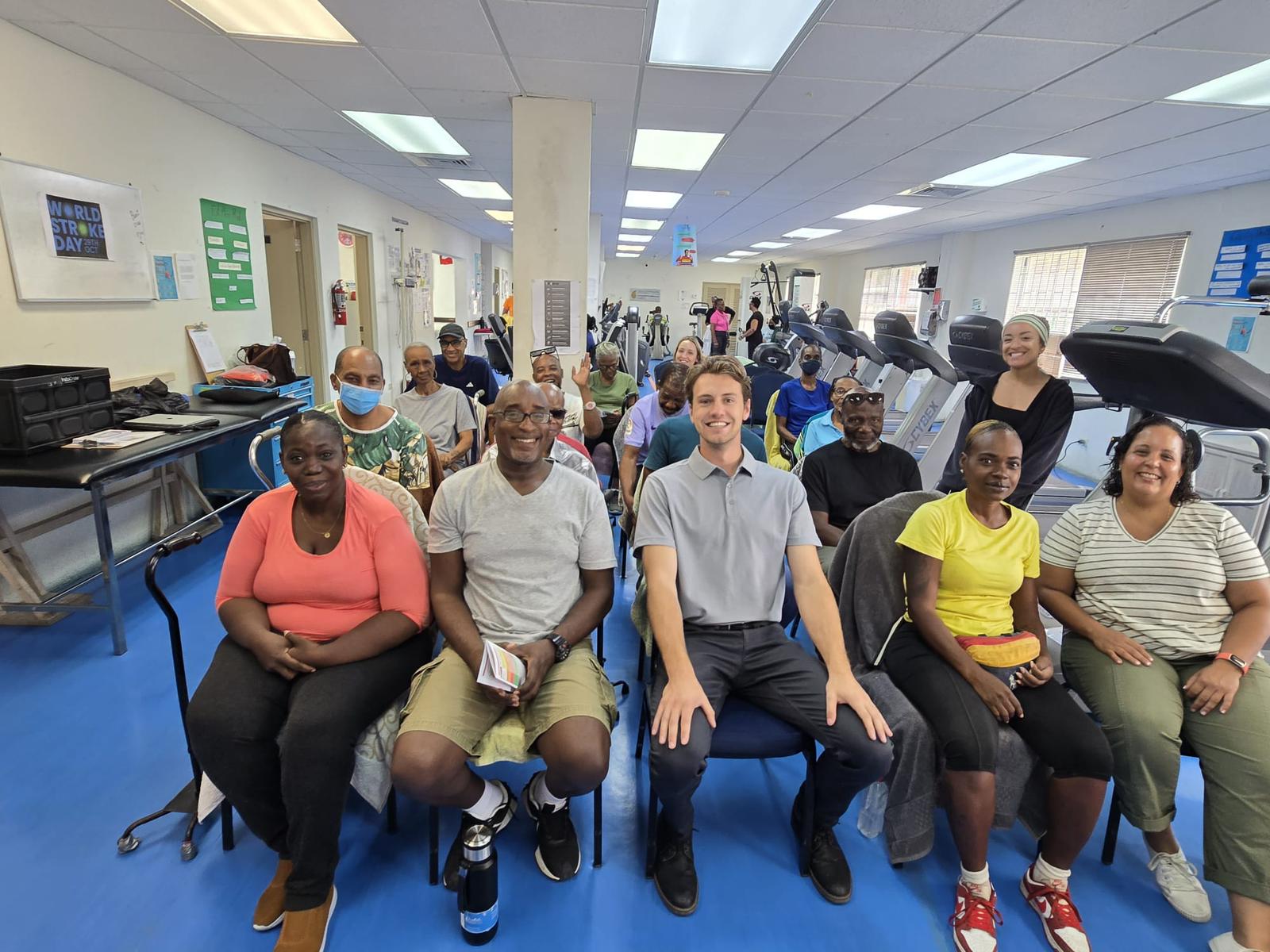
Scholars from USask and UWI, representing disciplines including nutrition, public health, nursing, and education, work alongside primary care clinics, academic researchers, and community partners in Barbados and Jamaica. The project prioritizes understanding local contexts and targeting modifiable risk factors such as diet and physical activity through culturally appropriate strategies.
For Caribbean partners, the impact is both practical and systemic. Research conducted through the program directly informs local knowledge gaps. One UWI QEScholar from Jamaica examined the nutritional characteristics of lentils commonly consumed in the Jamaican diet, producing a scoping review that lays the groundwork for future dietary research and policy discussions. Other collaborative projects have included critical epidemiological analyses to identify root causes of NCD prevalence and inform targeted interventions.
The project also strengthens data collection and health system planning. In Barbados, a USask QEScholar assessed the feasibility of using mobile phone surveys to gather population-level data on NCD rates. Moving this knowledge to action, an implementation plan to support local adoption of this approach was developed, demonstrating how scholarship can translate directly into tools for public health decision-making.
While the research was focused on the Caribbean, the learning from this work has direct implications for communities back in Canada. Parallel work with First Nations communities, where similar nutrition transitions and chronic disease burdens exist, was informed by the findings of this project. By sharing approaches across regions, the project created a two-way flow of learning that benefits communities in different countries facing comparable health challenges.
Across the region, NCDs now account for around three-quarters of all deaths and a high proportion of premature mortality, underscoring why building local research and leadership capacity is as important as implementing specific interventions. By embedding Queen Elizabeth Scholars within Caribbean institutions and health systems, this project contributes directly to the long-term human resources, data systems, and partnerships needed to sustain progress on NCD prevention and control. The QES project “Strengthening Capacity to Tackle Non-Communicable Disease in the Caribbean” (USask–UWI) builds local research and leadership capacity to address rising burdens of type 2 diabetes and cardiovascular disease in Barbados and Jamaica. Through community-engaged studies on diet, food systems, and innovative data collection (such as mobile phone–based NCD surveillance), it generates locally relevant evidence while training emerging health professionals to translate findings into sustained prevention and policy action.
Ultimately, the project’s most enduring impact lies in capacity-building. By equipping emerging health leaders with research skills, cultural competence, and experience working in community settings, the initiative supports long-term resilience within local health systems. As project lead Dr. Hassan Vatanparast notes, communities are active agents of change when empowered with evidence, tools, and partnerships, not passive recipients of intervention.
In tackling non-communicable disease, this QES project demonstrates how international collaboration can strengthen local solutions and create impacts that extend well beyond the duration of any single exchange.
Learn more about the Queen Elizabeth Scholars program.