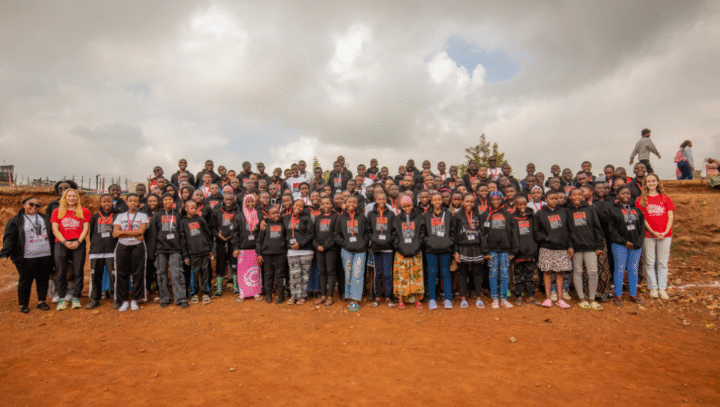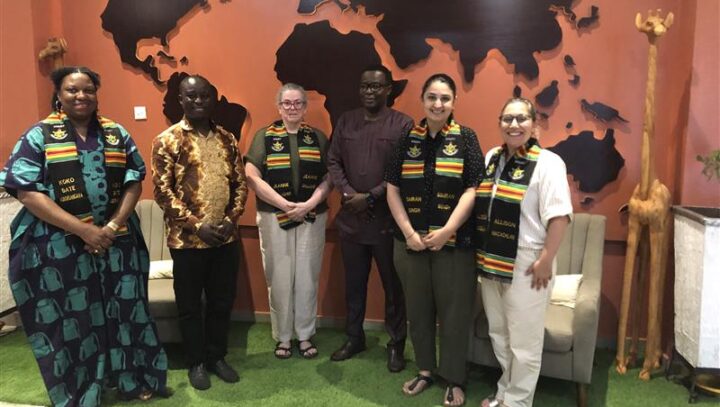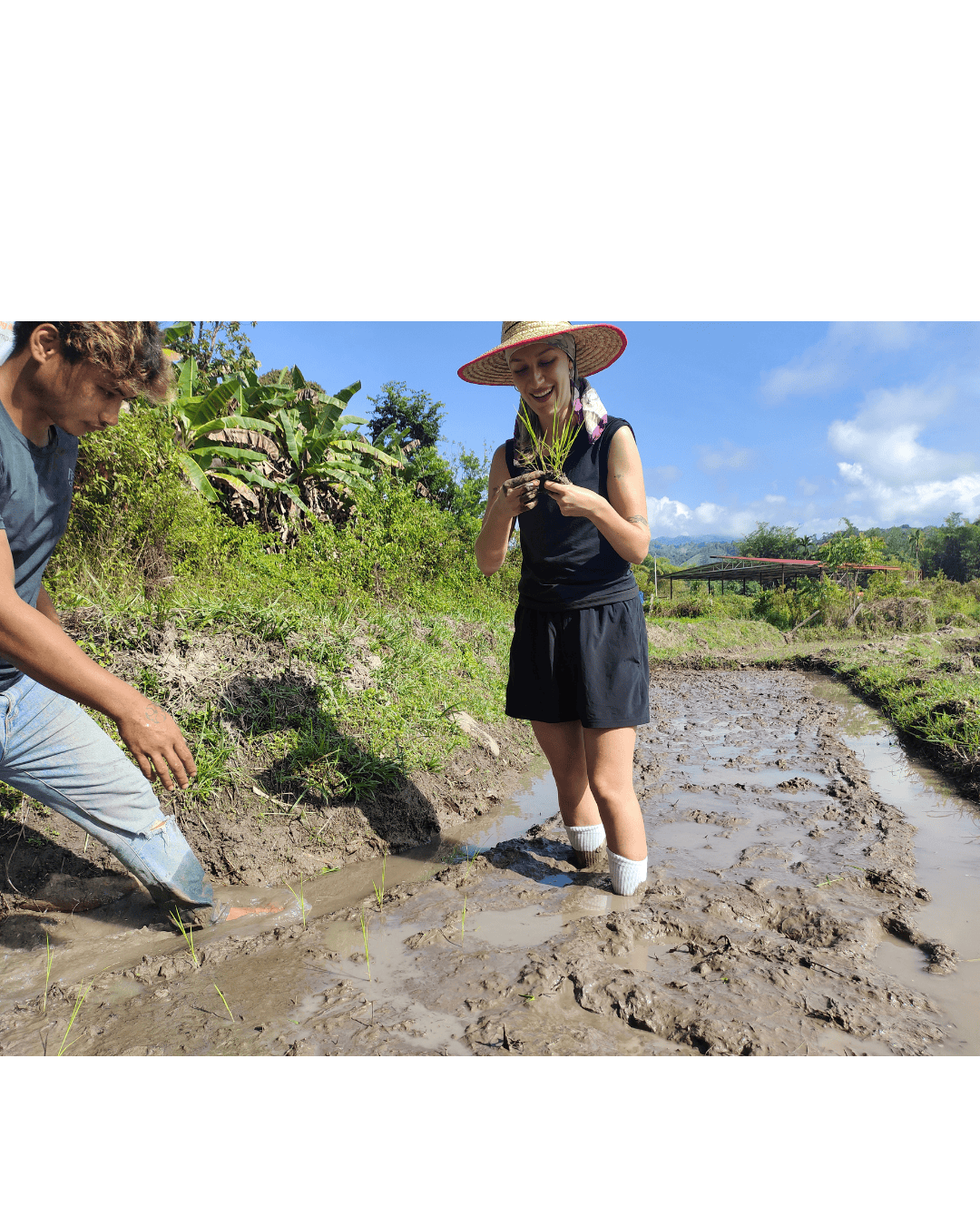
On the Thai–Myanmar border, in Indigenous communities in Borneo, and in urban neighbourhoods of Kuala Lumpur, access to education, mobility, and global networks are shaped by borders, state violence, displacement, and uneven access to resources. For many communities, borders shape daily life and limit opportunities. Through the University of Victoria’s Queen Elizabeth Scholars (QES) project, Academic Diplomacy in Practice, academic exchange becomes a way for people to connect, build trust, and engage in shared problem-solving across borders in places where those connections matter most.
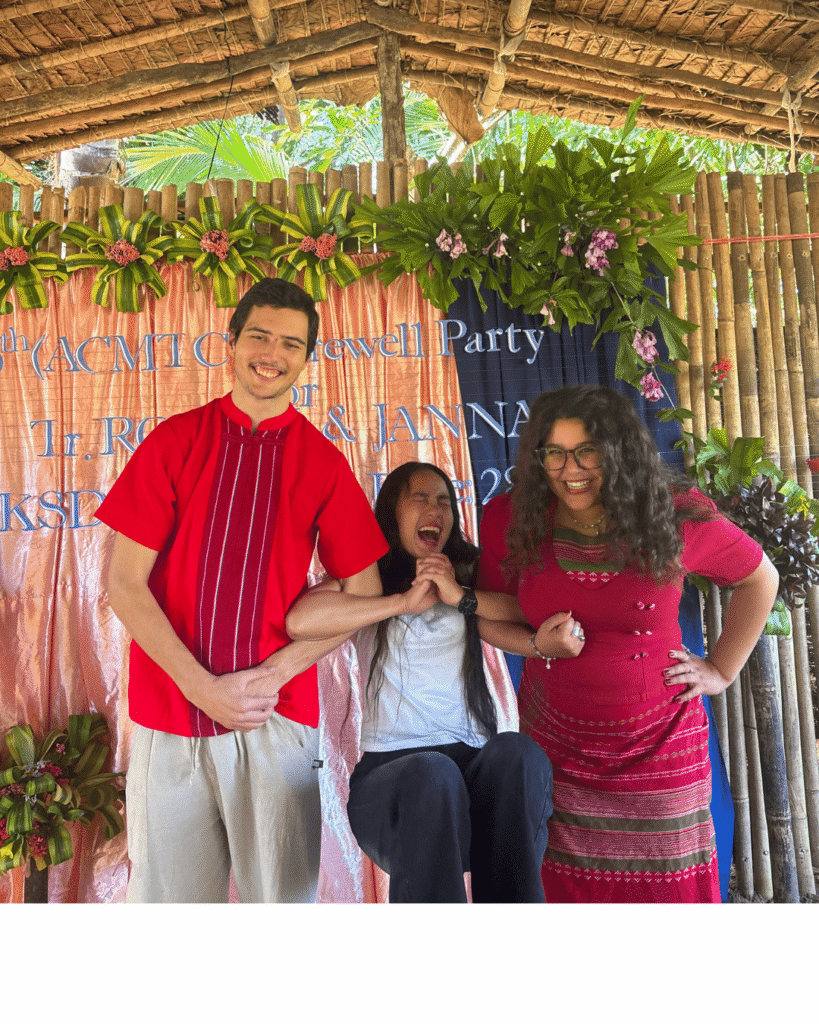
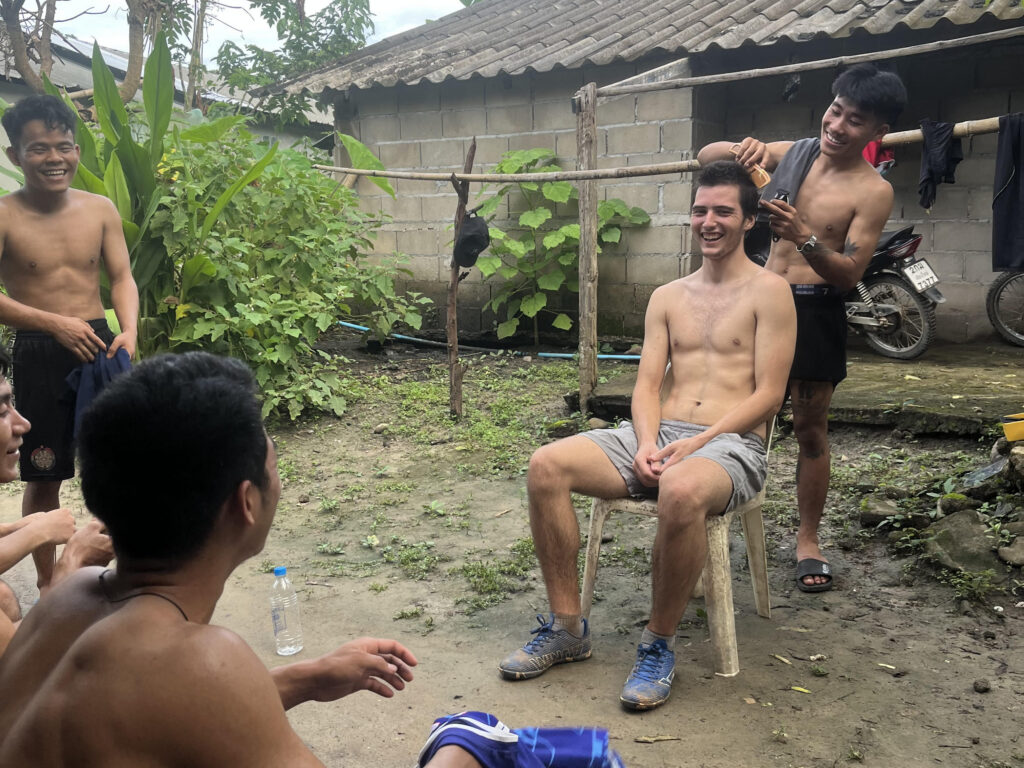
Hosted by UVic’s Centre for Asia-Pacific Initiatives (CAPI), the project is built on relationships that predate the QES program itself.
Project Manager, Robyn Fila, has worked with partner organizations in Southeast Asia for over 15 years, including the Karenni Social Development Centre on the Thai–Myanmar border, the Malaysia Social Research Institute in Kuala Lumpur, and PACOS Trust in Borneo.
These long-standing partnerships are the crux of the program and mean that scholars arrive as collaborators and guests, stepping into strong existing networks built on trust and contributing to ongoing community-led work.
Over six-month internships, 25 UVic undergraduate students work alongside local partners on education, health, leadership, and community development initiatives, particularly with refugee and Indigenous youth who often lack access to formal education. The impact is deliberately reciprocal. Partner organizations shape the work according to community priorities, while scholars contribute skills and labour in support of ongoing, community-led initiatives.
Academic diplomacy, as practiced here, extends far beyond policy or theory. It shows up in mentorship programs, storytelling initiatives, creative capstone projects, and leadership workshops that centre local voices.
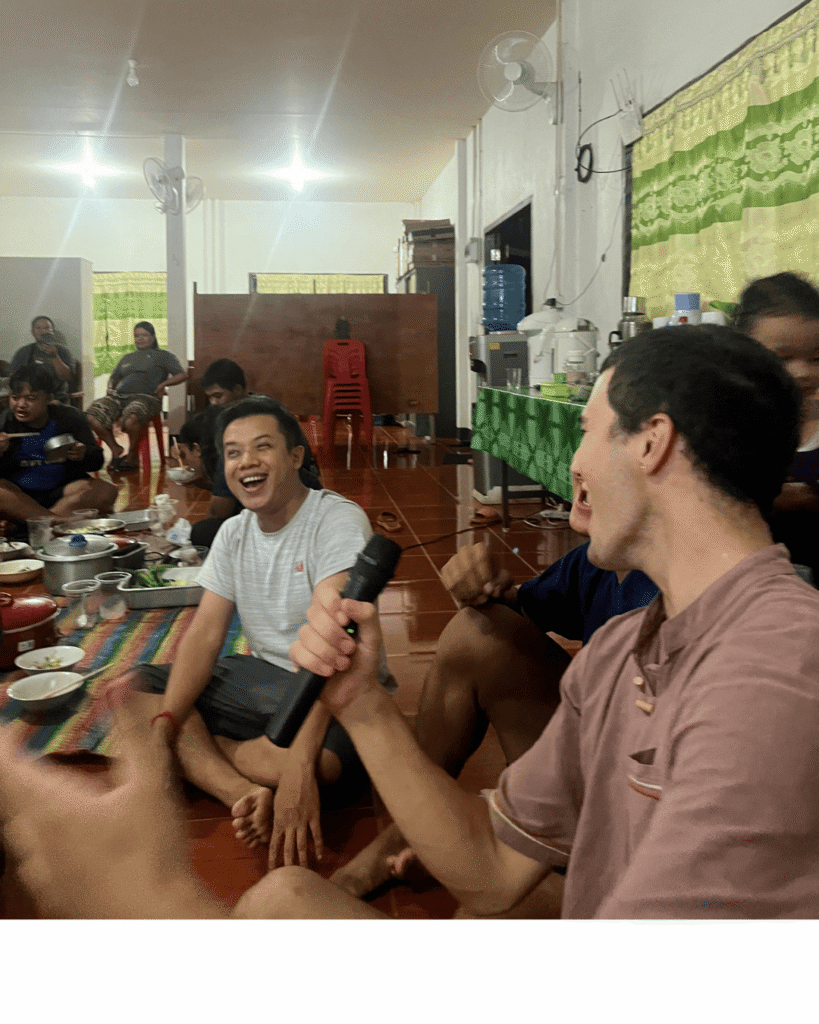
These activities support youth in strengthening confidence, agency, and pathways to social and economic opportunity while respecting community values and priorities.
For refugee communities, the impact is especially profound. Limited by mobility restrictions, many cannot access international learning or exchange opportunities.
“Through these educational experiences deeply rooted in reciprocity, learning can flow in both directions,” says Fila.
Through the presence of QE Scholars, global perspectives, academic resources, and professional networks are shared through sustained, relationship-based engagement within refugee communities.
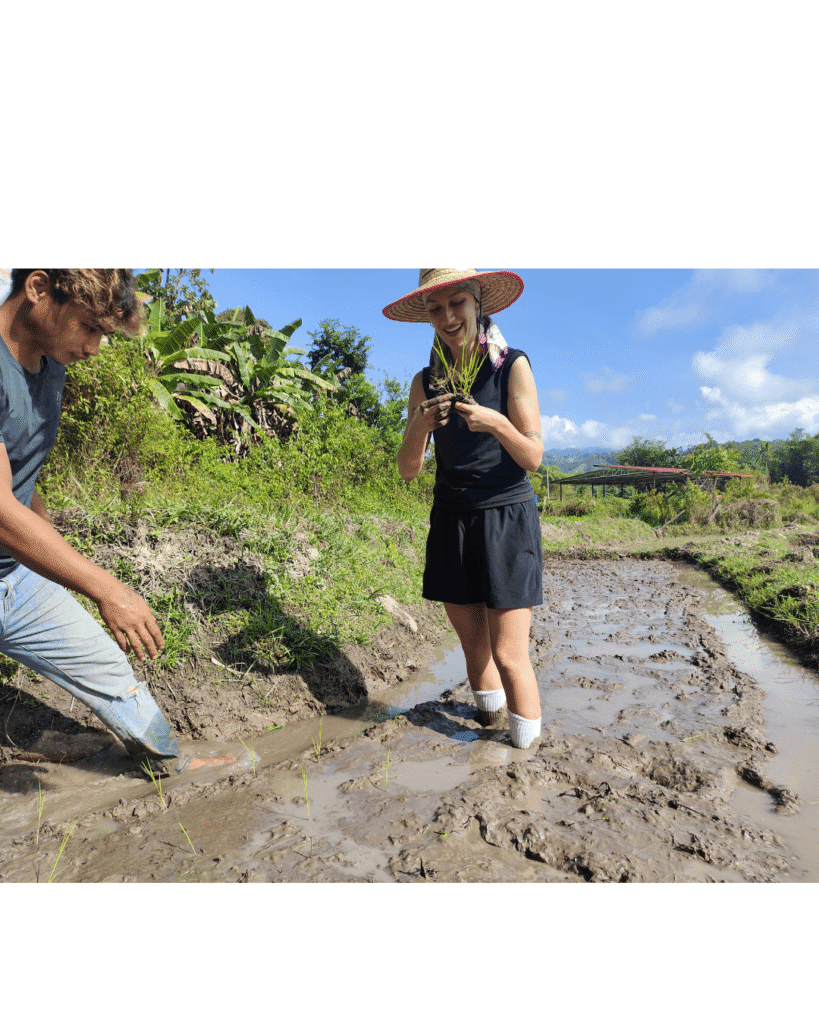
The effects of this work go well beyond borders and past the present moment. Local organizations deepen their ability to co-create and disseminate knowledge to audiences outside national borders.
UVic scholars return home with lived experience in ethical partnership-building, cultural humility, and global citizenship, and other skills they carry into future careers in education, diplomacy, research, and public service. And the partnerships themselves continue, strengthening a transnational network rooted in trust rather than transaction.
In an era when global challenges demand cooperation across borders, Academic Diplomacy in Practice demonstrates what meaningful international engagement can look like. By prioritizing relationships, reciprocity, and long-term commitment, the project demonstrates an ethic of international engagement grounded in trust, mutual responsibility, and lasting impact.