In many communities across the Commonwealth, sport is far more than competition. It is a gathering place, a classroom, and a platform for leadership. This is especially true for young people navigating social and economic change. Mount Royal University’s Queen Elizabeth Scholars (QES) project, Developing Leaders and Community Through Sport, is harnessing that power to create lasting impact in host communities while reshaping how leadership development is understood and practiced.
Hosted by Mount Royal University (MRU) in partnership with Commonwealth Sport Canada (CSC) and in-country sport organizations, the program operates through a unique three-way model.
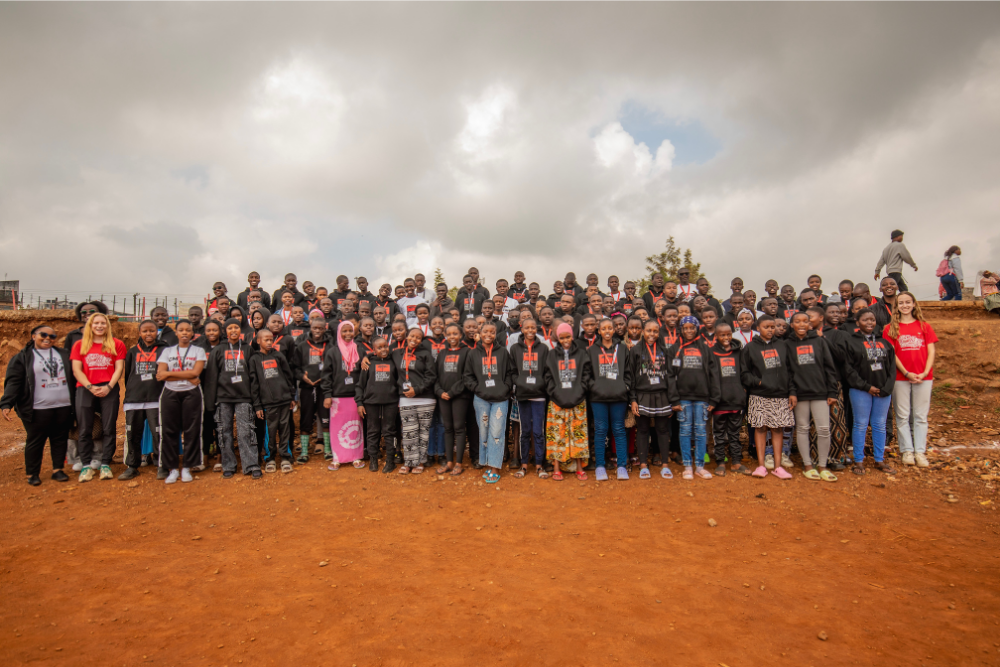
MRU scholars are embedded within local sport systems in countries such as Botswana, Rwanda, Trinidad and Tobago, and Kenya, working alongside National Olympic Committees, community-based sport programs, local schools, and non-profit organizations. The focus is on strengthening locally-led initiatives that use sport to advance health, education, inclusion, and economic opportunity. As Ryan Pelley from CSC notes:
“This collective sport diplomacy effort is made possible through meaningful collaboration that produces real-world social impact through sport while developing aspiring sport leaders and global citizens.”
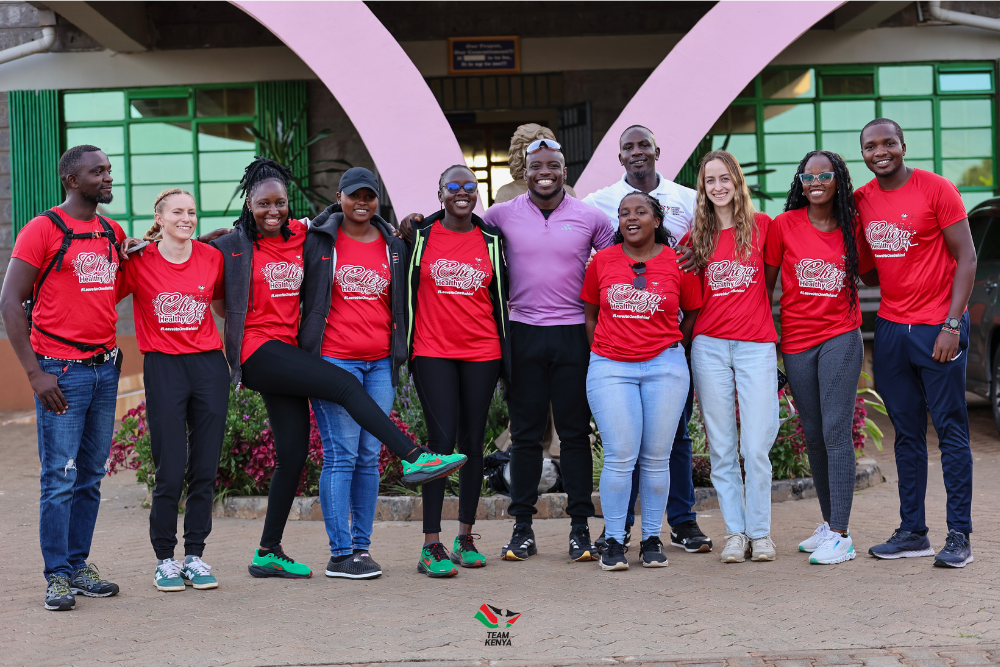
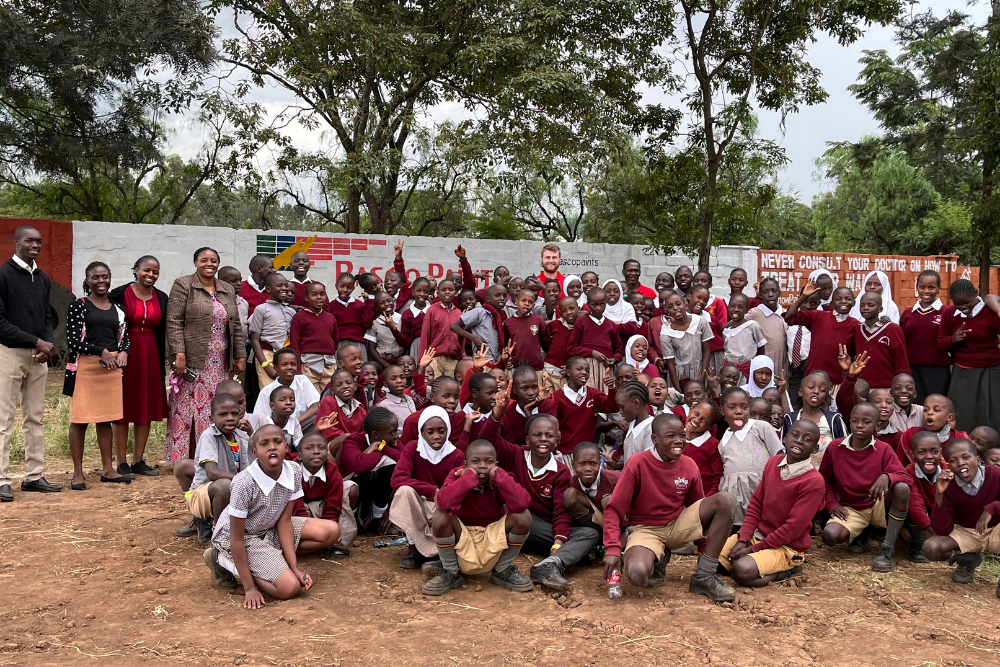
For host communities, the benefits are immediate and practical. Scholars collaborate with local staff and volunteers for capacity development and sustainability purposes. They support projects that increase access to sport for youth and women, promote healthy lifestyles, and create safe, inclusive spaces for participation. For example, in Kenya, Cheza Healthy is a project under this program that was developed and is led locally with the aim of reducing non-communicable diseases through youth empowerment, community engagement/education, and the promotion of sport and physical activity opportunities for good health and wellbeing (SDG 3). To date, Cheza Healthy has positively impacted the lives of 9088 participants, 59% of them being female youth. By applying sport and recreation theory in real-world settings, scholars work with local partners to enhance program design, evaluation, and leadership pathways which remain in the community long after the placement ends.
The impact of this work extends beyond the playing field. Sport-based programming often serves as an entry point for broader conversations around equity, education, and community resilience. As Luna Sinclair shared:
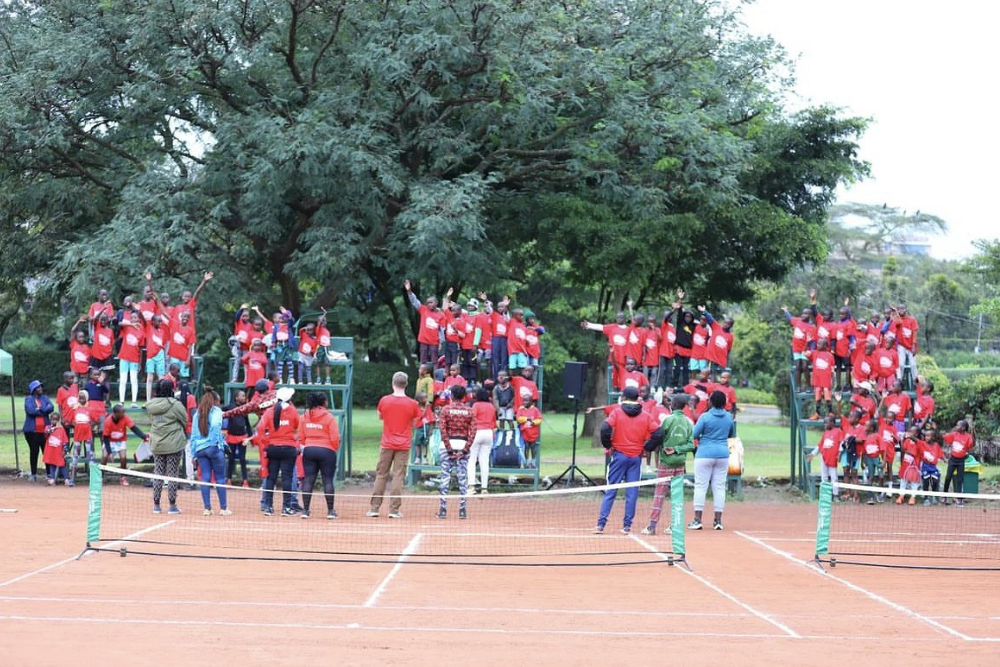
“During my time in Kenya, I had the opportunity to witness the positive impact sport can have on communities and individuals. One example that often comes to mind was an event where our project, Cheza Healthy, partnered with the Canada-Mathare Education Trust and the Mathare Slums Community Association to put on a youth soccer tournament in Mathare. In between matches we had the opportunity to talk about Cheza Healthy and the importance of physical activity to prevent non-communicable diseases, but my favourite part of the event was watching people in the community come together to play, cheer, dance, and have fun together.”
In several host countries, QE Scholars have contributed to initiatives that strengthen youth leadership, build confidence among underrepresented groups, and reinforce the role of sport organizations as anchors for social development.
The project also creates value through visibility and connection. Through blogs, social media, and professional networks like LinkedIn, QE Scholars and CSC actively share insights from the field, amplifying the work of local partners on a global stage. These stories document individual growth, elevate community-led sport initiatives, attract new collaborators, and contribute to a growing international conversation about sport as a tool for development.
For Mount Royal University, the project aligns closely with its institutional commitment to inclusion, belonging, and leadership. Host organizations benefit from strengthened partnerships with Canadian institutions and access to new ideas, resources, and long-term relationships.
At the same time, scholars return with practical experience working across cultures and sectors, equipped to carry sport-for-development principles into careers in education, public health, community programming, and policy.
For example, upon returning from his placement in Trinidad and Tobago, Tyler Powell used his experience to initiate a ‘Try-It Curling Event’ designed to introduce newcomer youth in Calgary to curling while also creating a space for connection and community engagement.
“This program has created a community of QES alumni at MRU who share their lived experience with other students. Alumni continue to share stories on the impact they saw while in country,” notes Julie Booke, Associate Professor at MRU.”
With 28 QE Scholars participating in the program, Developing Leaders and Community Through Sport is demonstrating that when sport is treated not as an end in itself, but as a means to empower people and strengthen systems, its impact can extend far beyond the final whistle. It can build leaders, communities, and connections that endure.