“It was an invitation to learn and unlearn Canada.” That reflection, shared by Kaila de Boer after returning home, captures something many delegates struggled to put into words after the 2026 Governor General’s Canadian Leadership Conference. While every study tour followed a different route, participants described remarkably similar outcomes. They returned with a deeper understanding of Canada, not by finding answers to complex issues, but by discovering better questions.
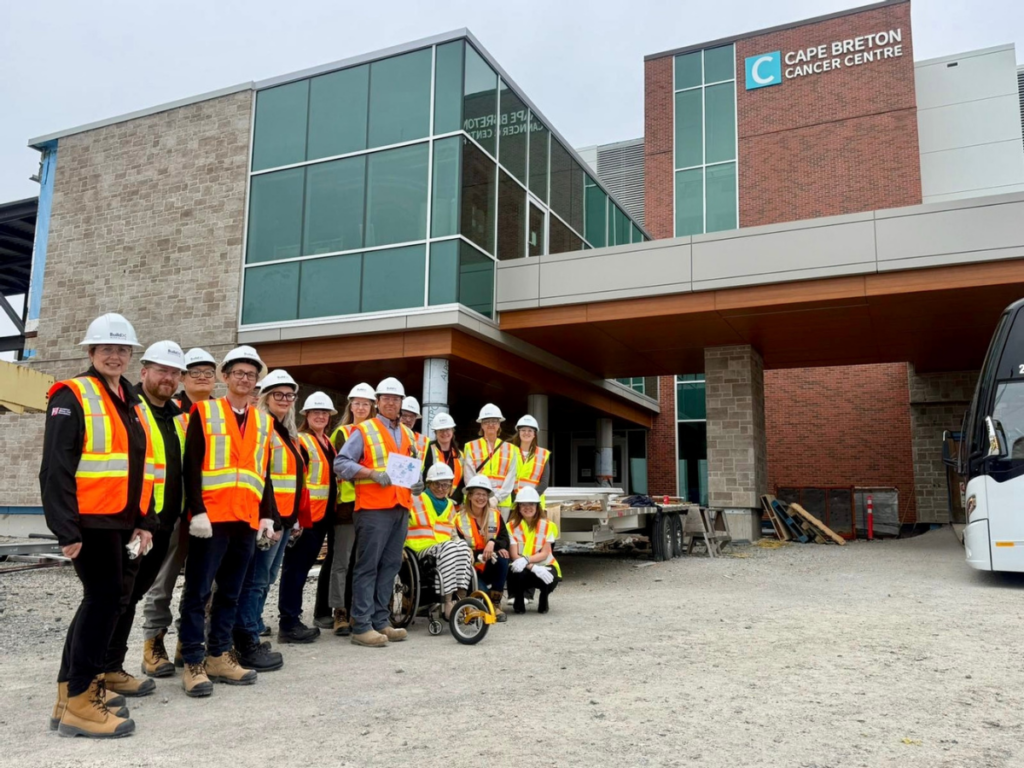
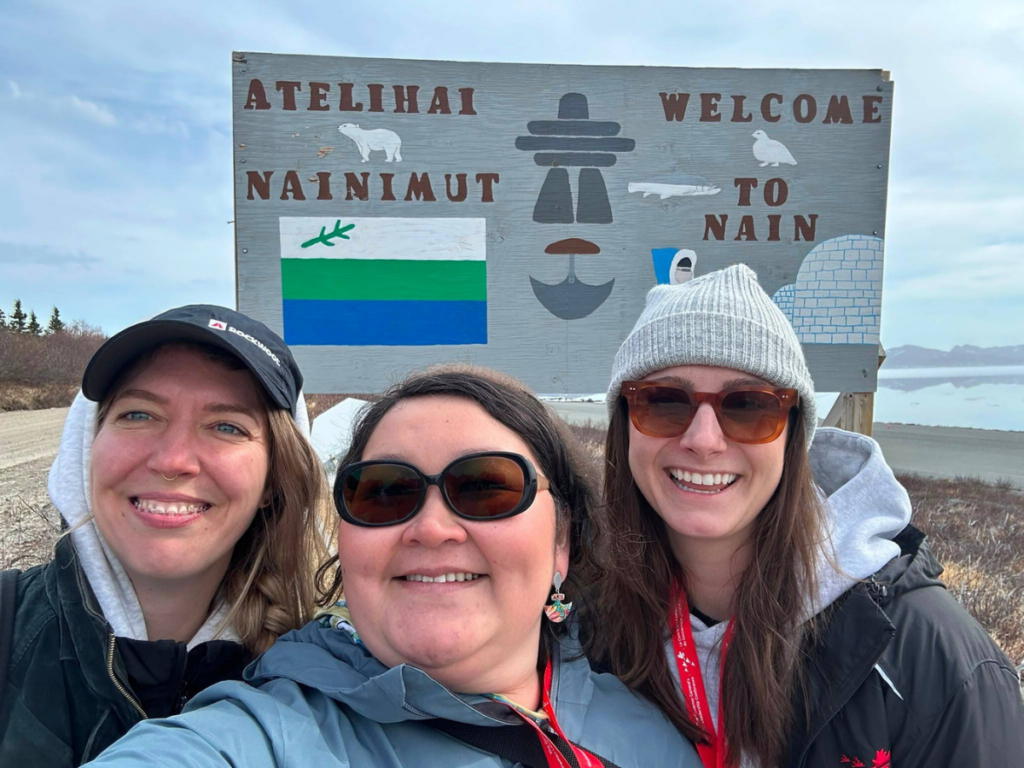
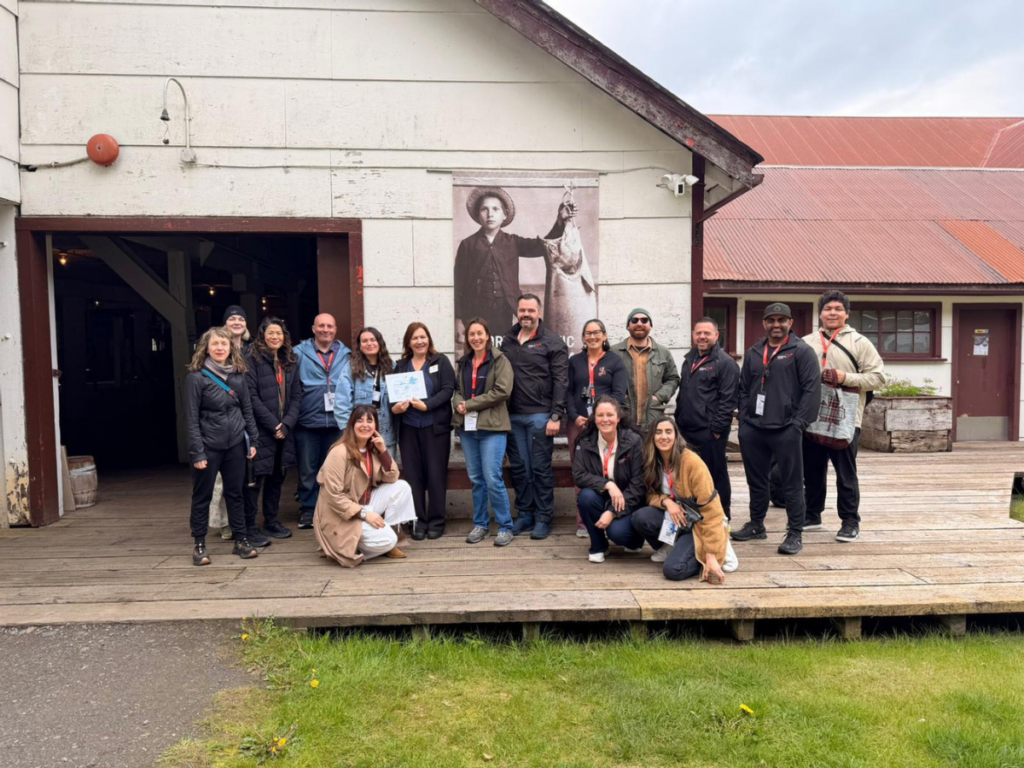
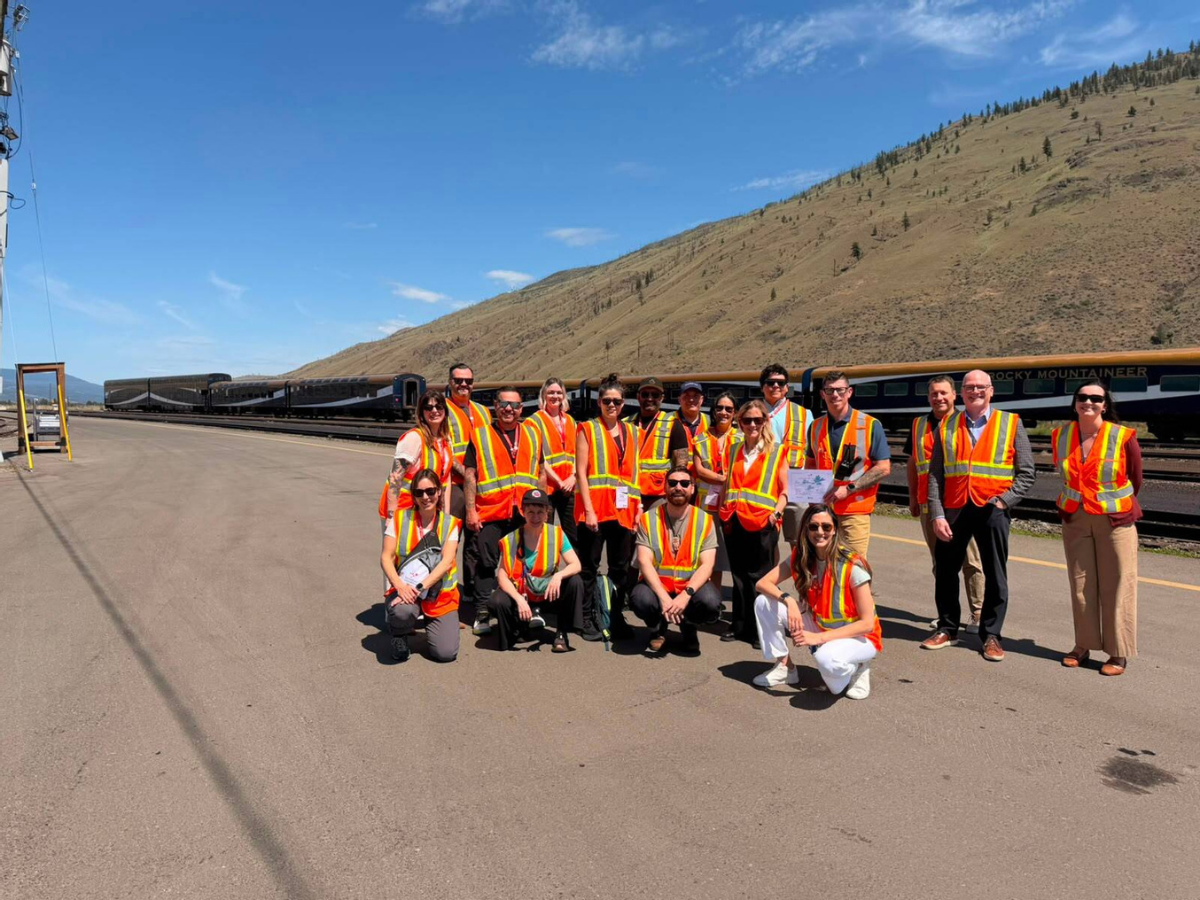
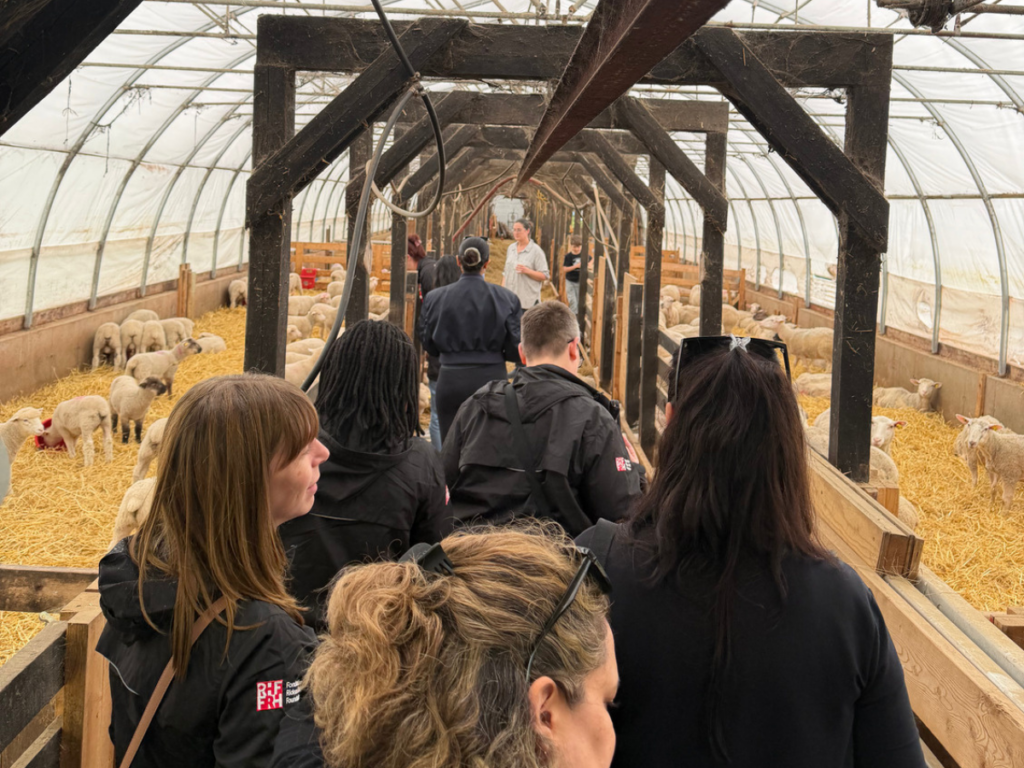
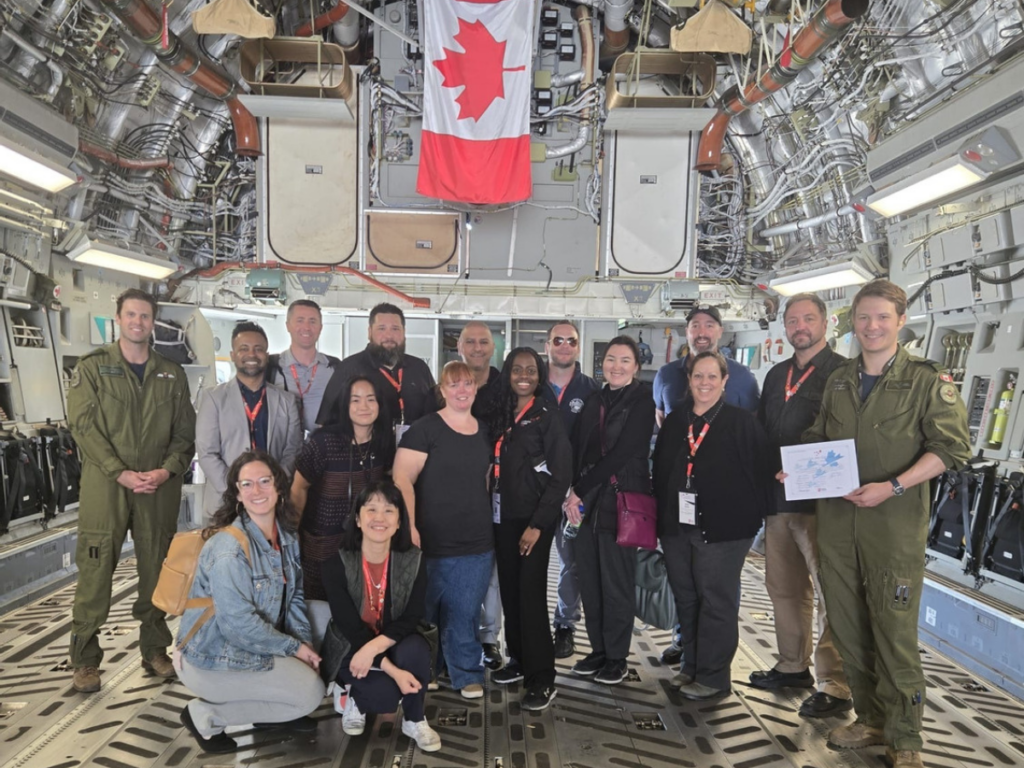
For nine days, sixteen study groups travelled across every province and territory. The schedules were intentionally demanding. Early mornings led into full days of site visits, community conversations, panel discussions, and long bus rides that often became some of the most valuable moments for reflection. In many regions, participants met with more than 50 organizations and hundreds of people representing Indigenous leadership, businesses, labour organizations, educators, health professionals, community leaders, entrepreneurs, artists, youth, and public servants.
But the study tours are not designed to turn participants into experts on a region. Their purpose is more ambitious: to challenge assumptions by replacing second-hand knowledge with lived experience. Again and again, participants described how issues they had previously understood through reports, headlines, or professional experience became more nuanced after hearing directly from the people living them.
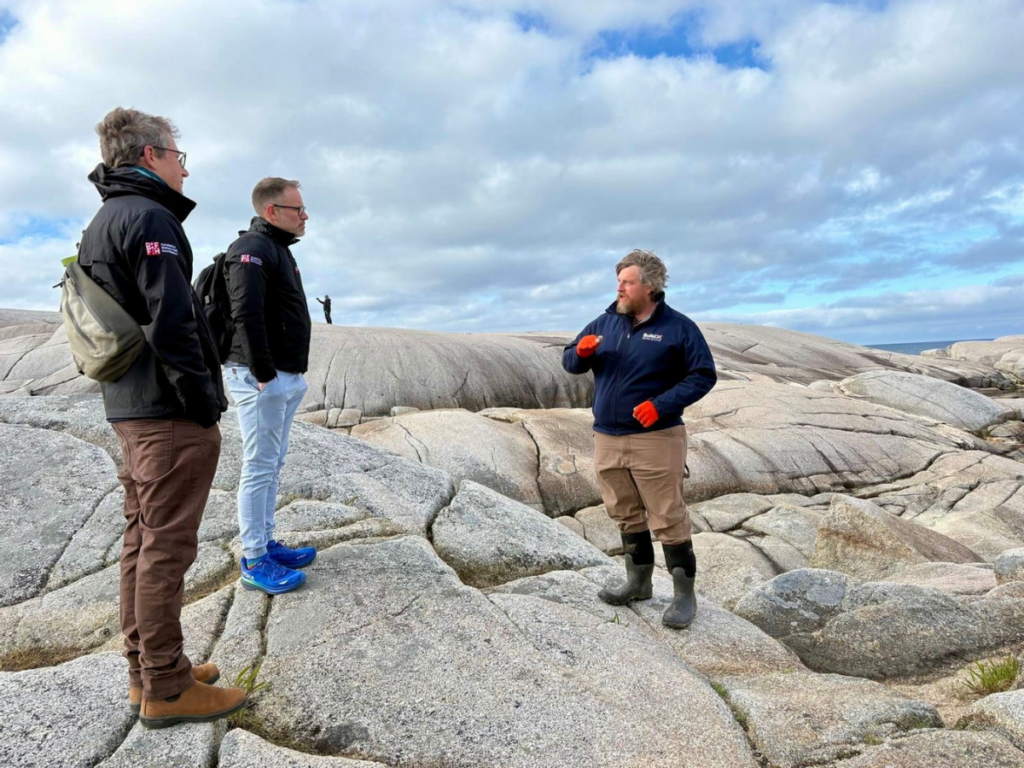
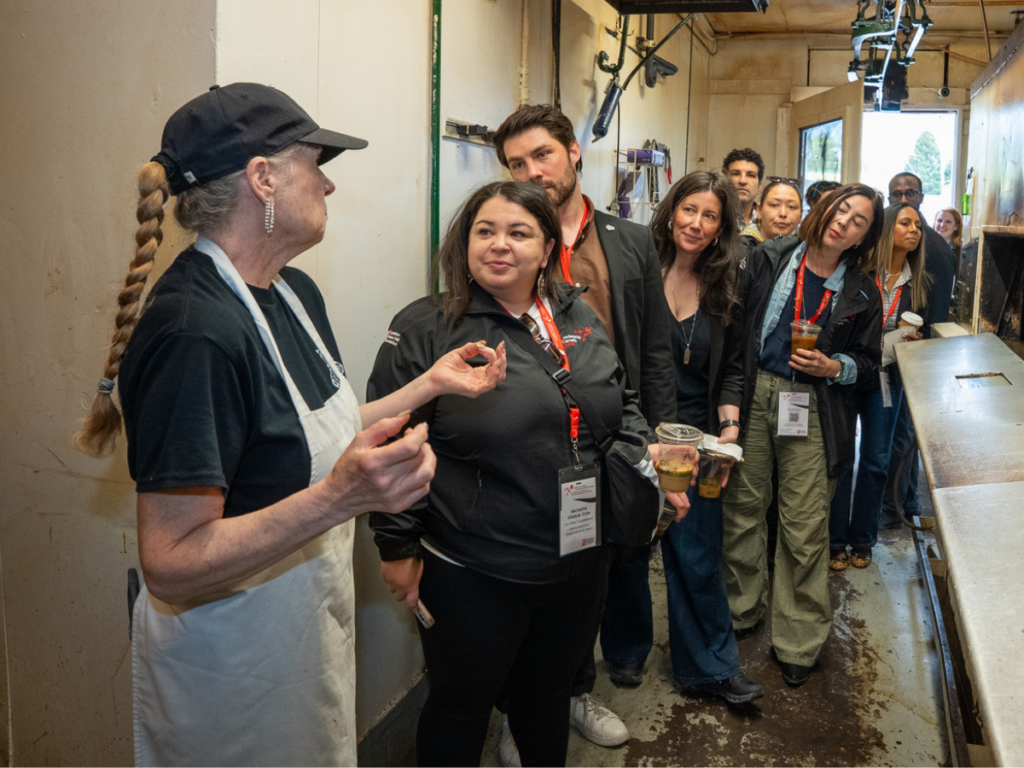
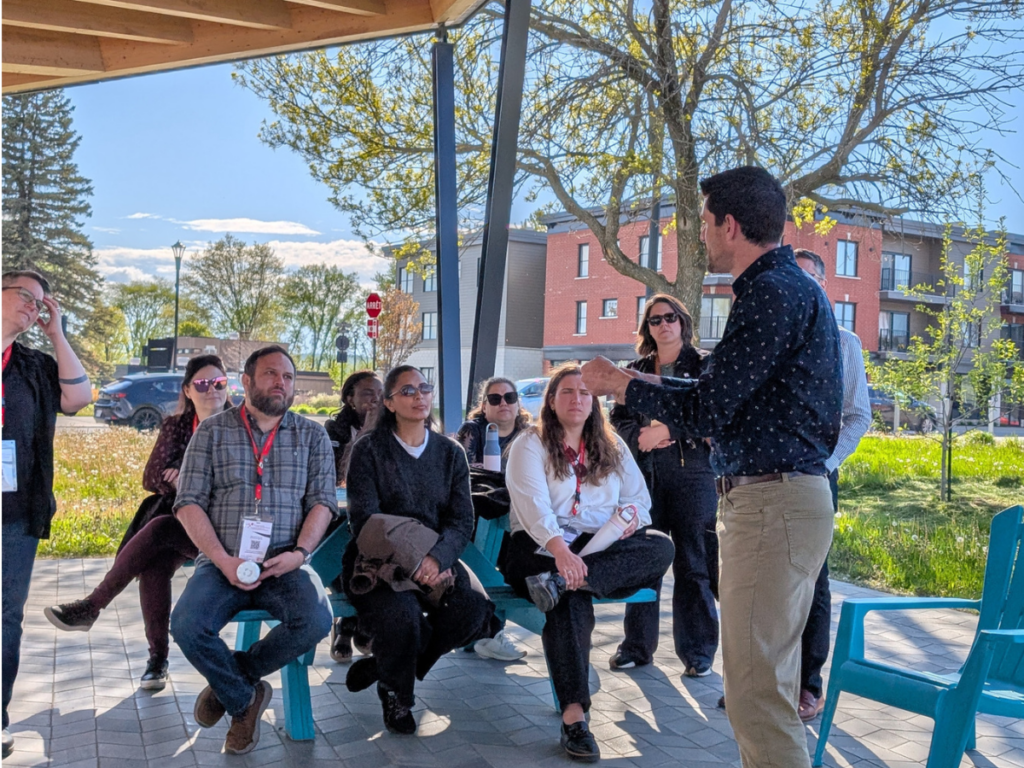
Mark Bellefleur, who travelled through British Columbia, captured this idea in a reflection that resonated with many participants:
“Every perspective reveals something, but every perspective also conceals something.”
After nine days of conversations across the province, he returned with “a deeper appreciation for the people, communities, and leaders shaping Canada’s future.” His words reflected one of the central lessons of the study tours: understanding Canada’s most complex challenges requires engaging with many perspectives, not just one.
That same lesson emerged across the country. Reflecting on the Yukon study tour, Jenny Shiller wrote that the journey reinforced “the value of listening deeply, staying curious, and seeking to understand before being understood.” Madison Zuppa echoed that sentiment, describing how the experience encouraged her to “lean into uncertainty, talk less and listen more.”
Several participants acknowledged that the experience was, at times, uncomfortable. They encountered perspectives that challenged long-held assumptions, witnessed realities very different from their own, and wrestled with questions that did not have easy answers.
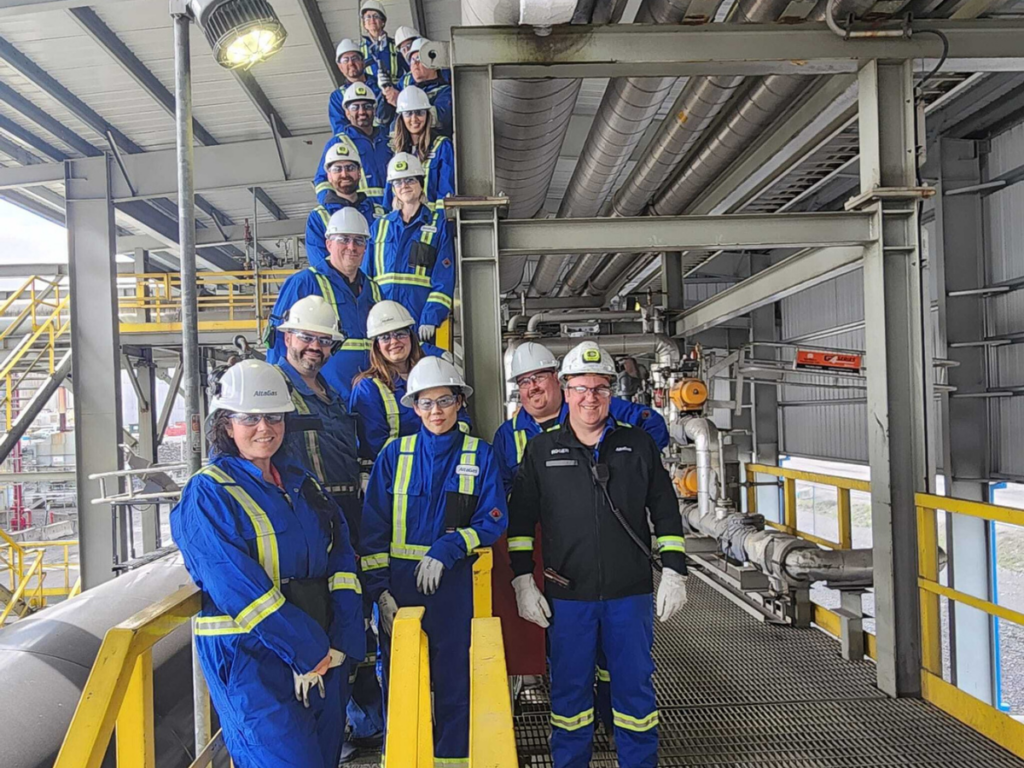
Ivan Watson described the study tour as “soul-stirring, life-changing, and paradigm-shifting,” explaining that while the numbers (nine days, more than 50 meetings, thousands of kilometres travelled) capture the intensity, “they cannot express the depth and breadth of lessons learned and relationships begun.”
Perhaps what surprised participants most was that the learning did not come only from the communities they visited. It also came from the fifteen people travelling alongside them.
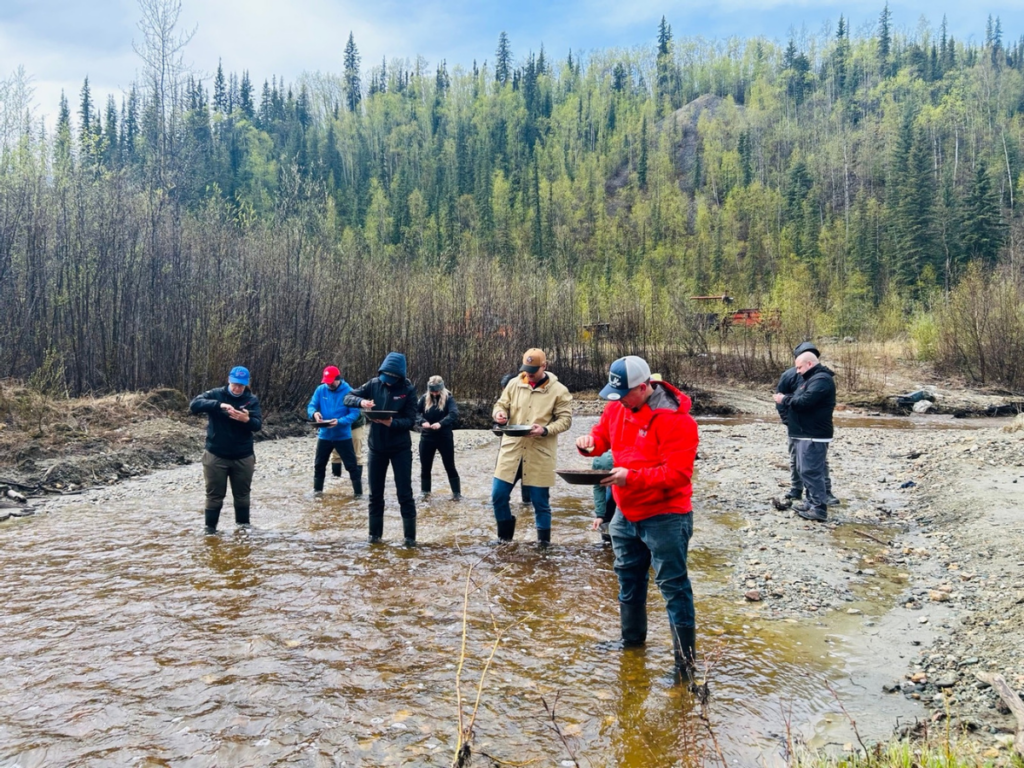
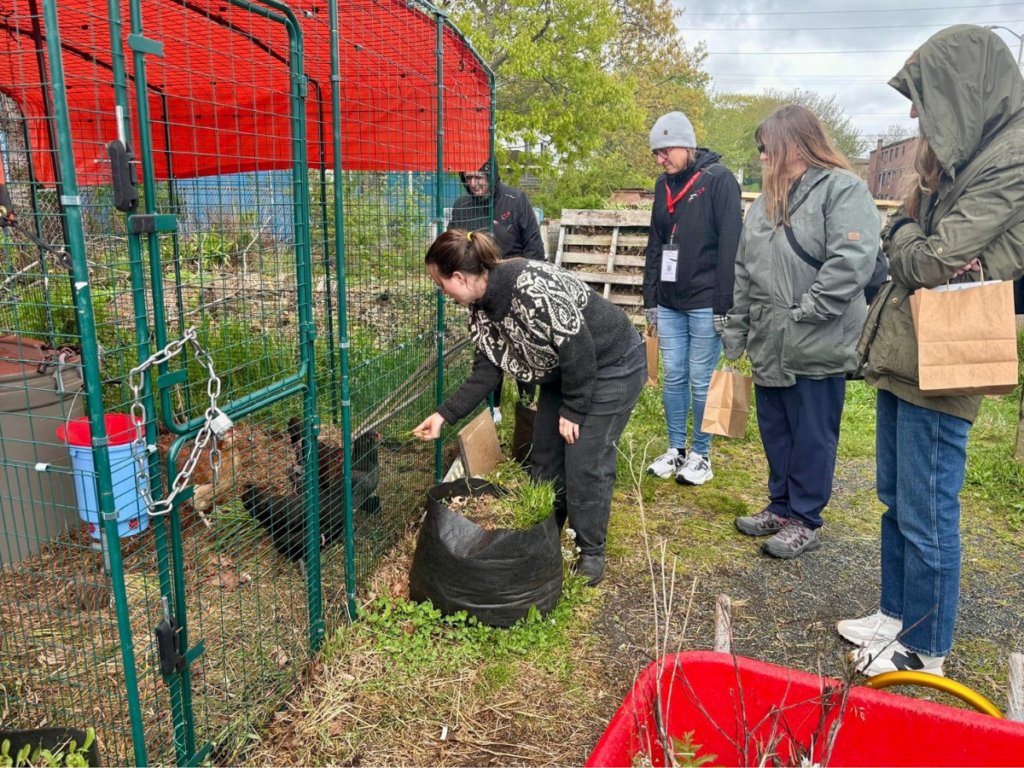
Each study group brought together leaders from different regions, sectors, professions, and lived experiences. Over long days spent travelling, reflecting, debating, and processing what they had witnessed, participants were challenged as much by one another as by the places they visited. Many described those conversations as one of the most valuable parts of the experience.
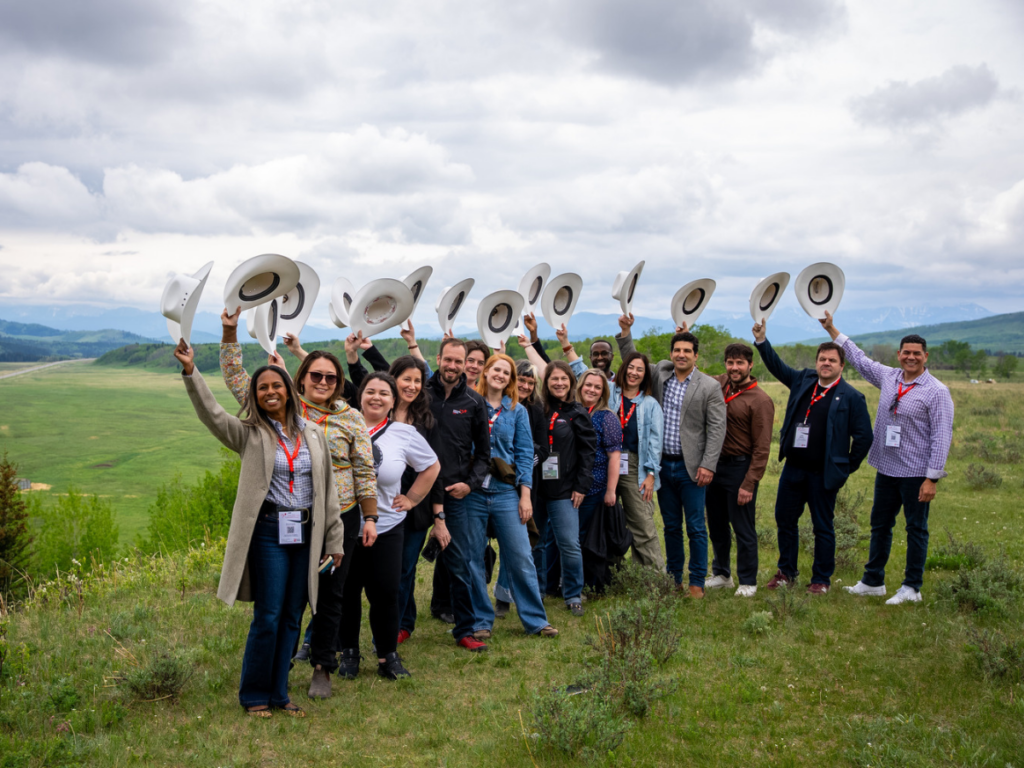
As Jahmoyia Smith reflected,
“There was laughter on long bus rides. Tears during difficult conversations. Honest dialogue about justice, belonging, identity, leadership, and the future of our country.”
Looking across the hundreds of reflections shared after the Conference, participants did not return believing they had figured Canada out. If anything, they returned with a greater appreciation for its complexity, its diversity, and the importance of approaching difficult conversations with humility.
Perhaps Josiah Gado put it best:
“After 15 days, thousands of miles, a plethora of hosts from industries ranging from quantum computing to hospitality, I realize more than ever that I do not have the answers. Just better (and more) questions.”