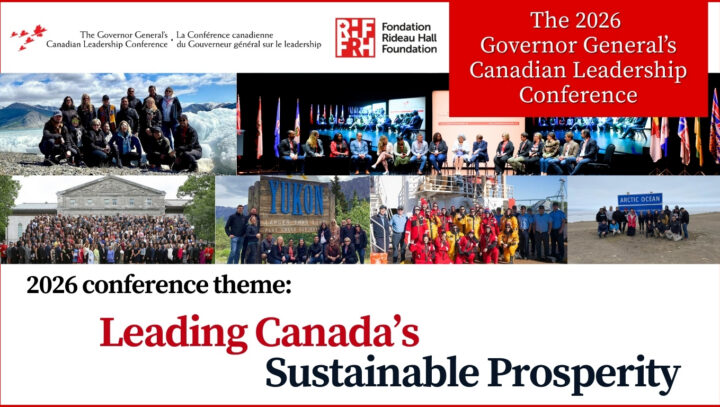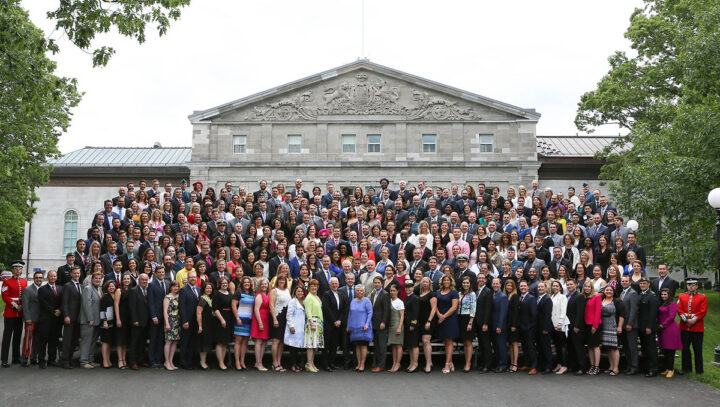
The 2026 Governor General’s Canadian Leadership Conference officially began last week in Quebec City, bringing together 250 emerging and established leaders from every province and territory, and from sectors spanning business, labour, government, Indigenous leadership, education, arts and culture, non-profits, and community organizations.
Over three days of opening plenary sessions, conversations, and shared experiences, delegates began what many alumni describe as one of the most transformative experiences of their lives. But before the study tours begin across Canada, the conference starts with something equally important: people meeting one another.
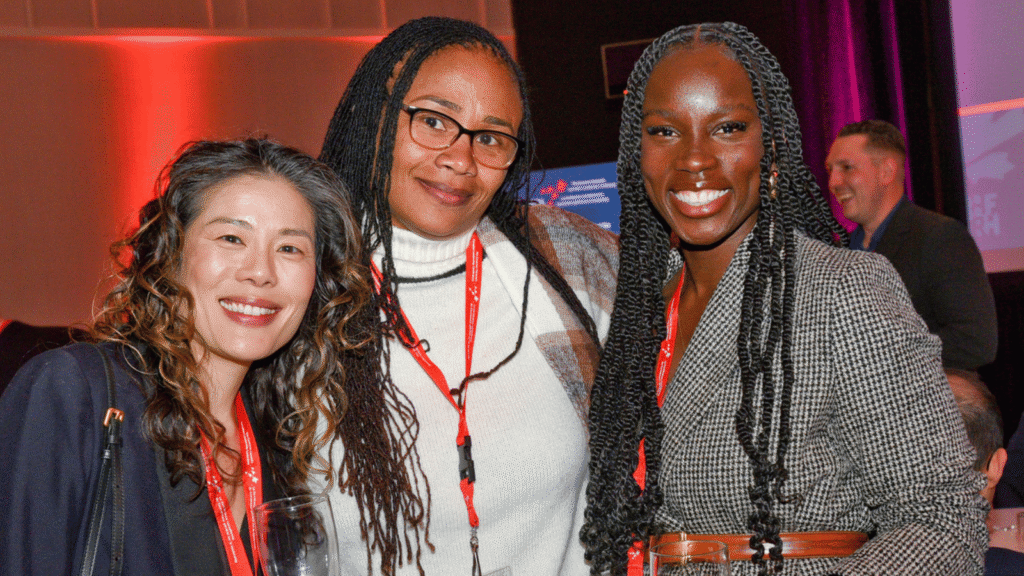
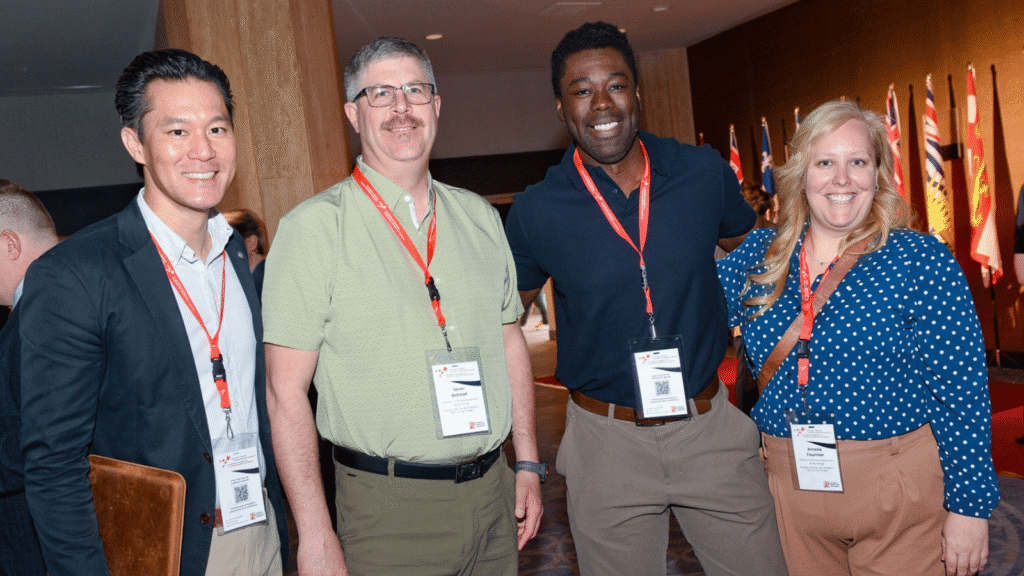
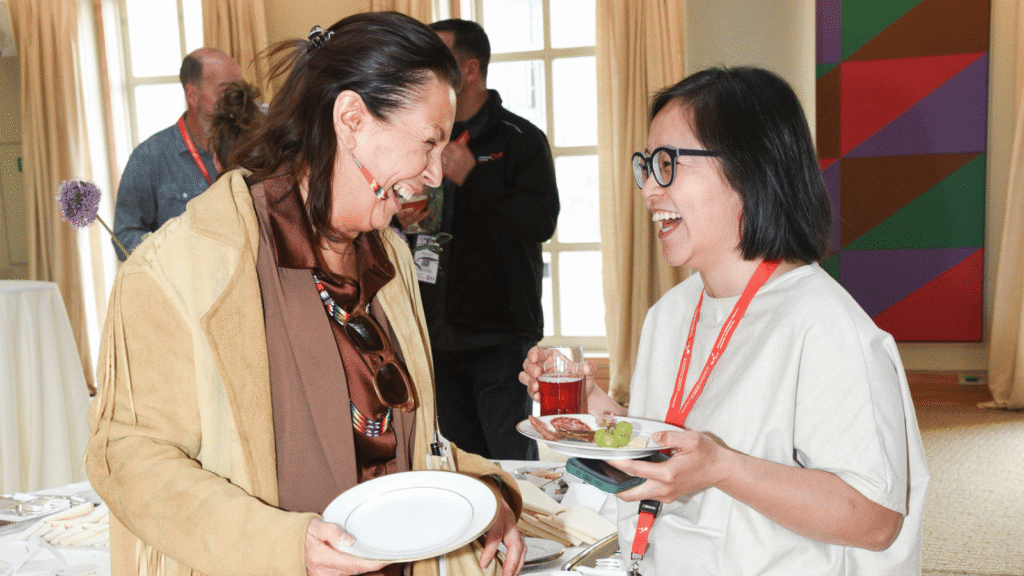
A gathering of leaders from across Canada
For delegates, the opening plenary is the first chance to meet the members of their study groups, the diverse mix of leaders they will spend the next two weeks travelling, learning, and debating alongside. Drawn from different regions, sectors, and lived experiences, each group brings together people with different perspectives and opinions, creating the kind of conversations and connections that have long defined the GGCLC experience.
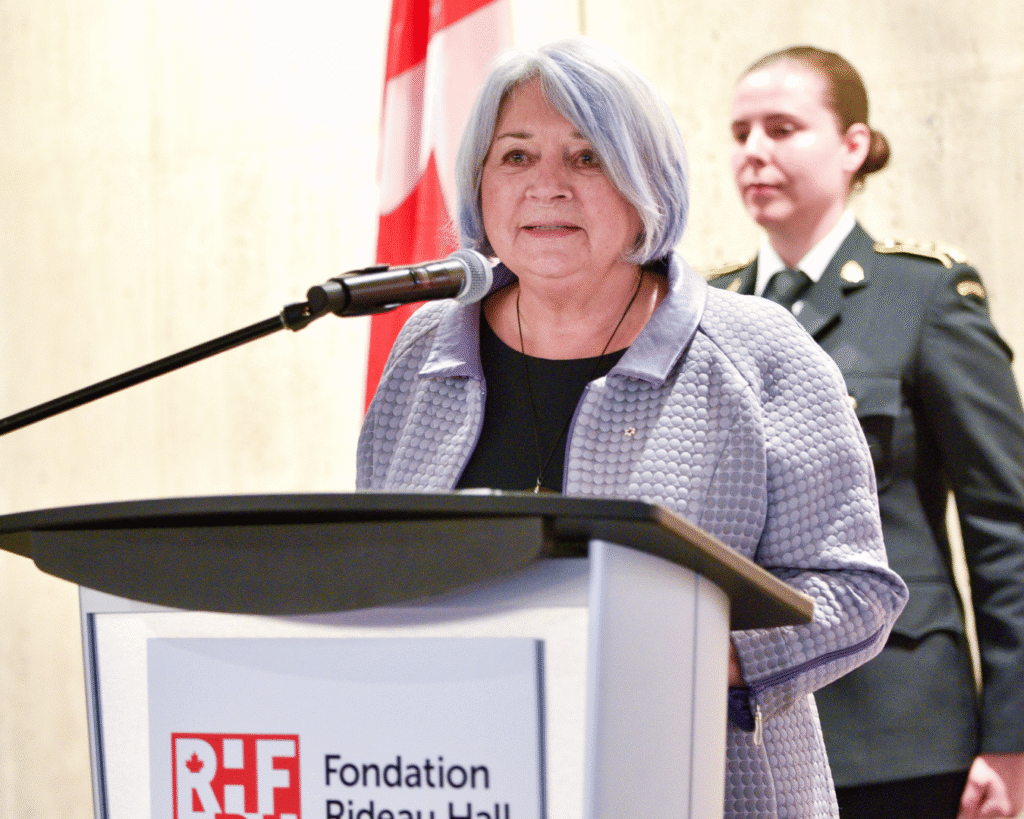
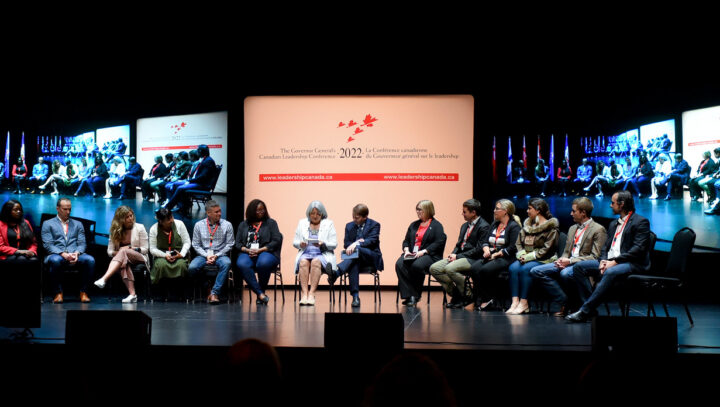
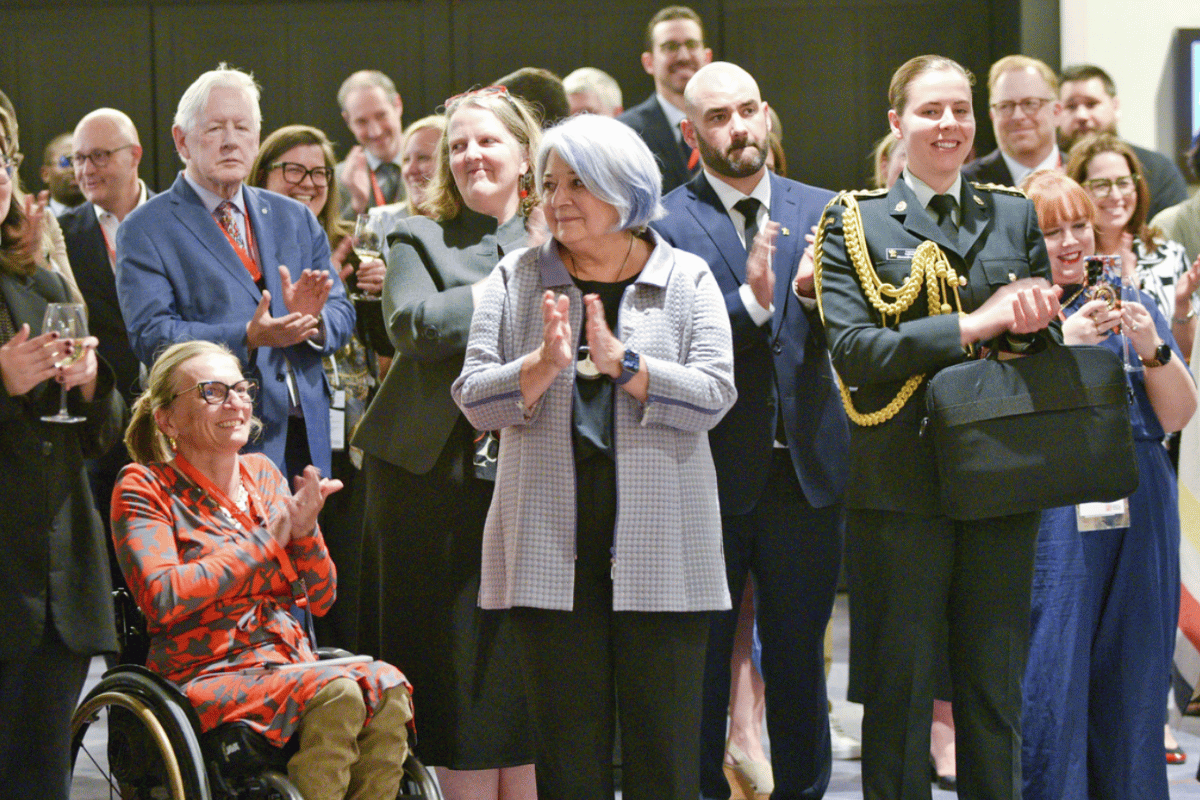
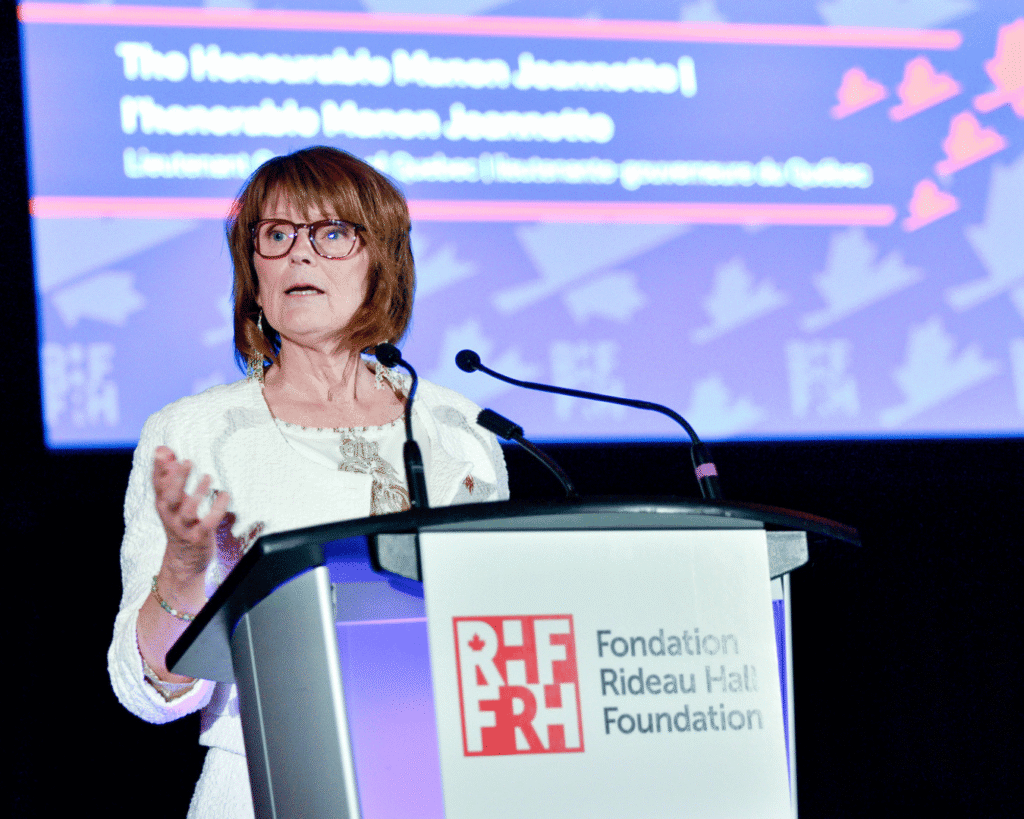
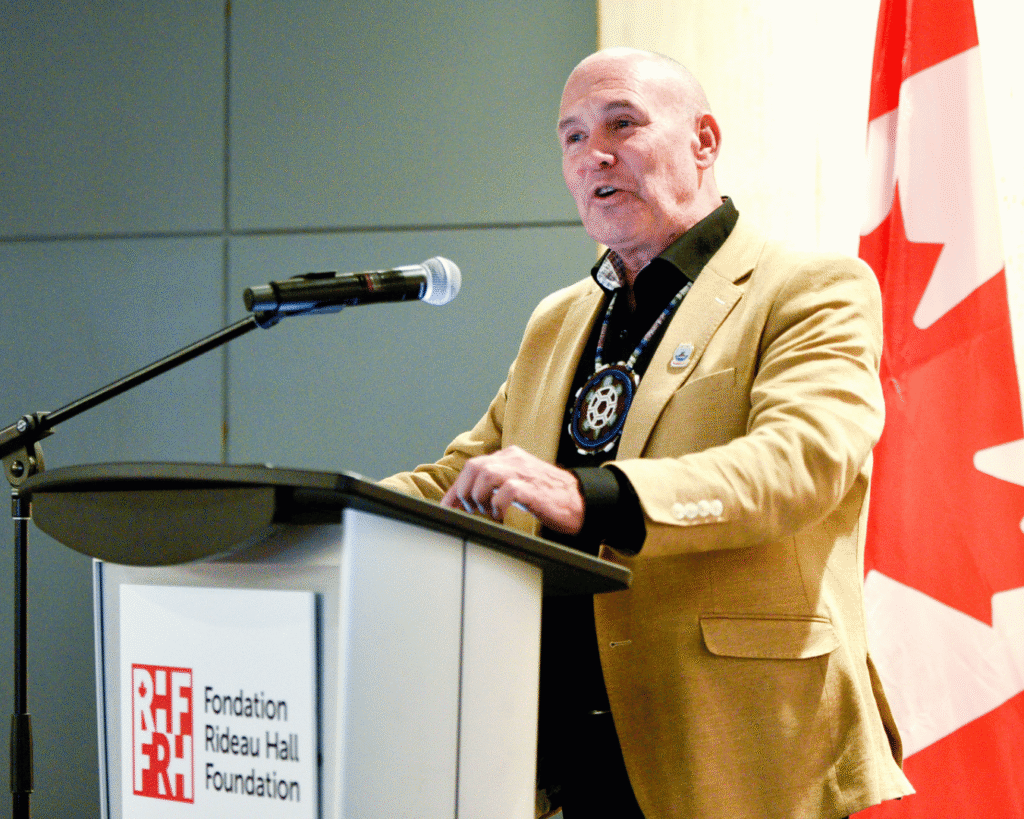
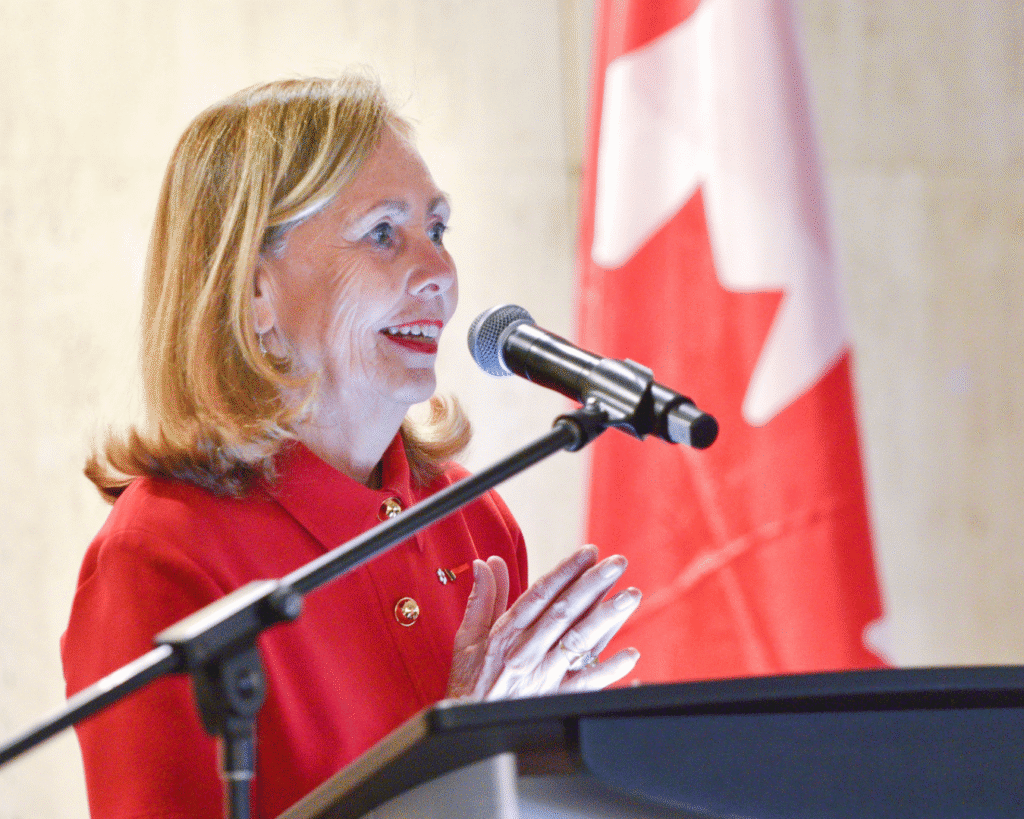
The opening ceremony featured remarks from Her Excellency the Right Honourable Mary Simon, Grand Chief Picard of the Wendat Nation, Quebec Lieutenant Governor the Honourable Manon Jeannotte, Teresa Marques, and Conference Chair Monique Leroux, who welcomed delegates into a conference grounded in curiosity, dialogue, and a shared responsibility to help shape Canada’s future.
Setting the stage for sustainable prosperity
This year’s theme, Leading Canada’s Sustainable Prosperity, framed discussions exploring leadership in a rapidly changing world. Across the plenary, speakers examined resilience, identity, self-reliance, security, and Canada’s place on the global stage.
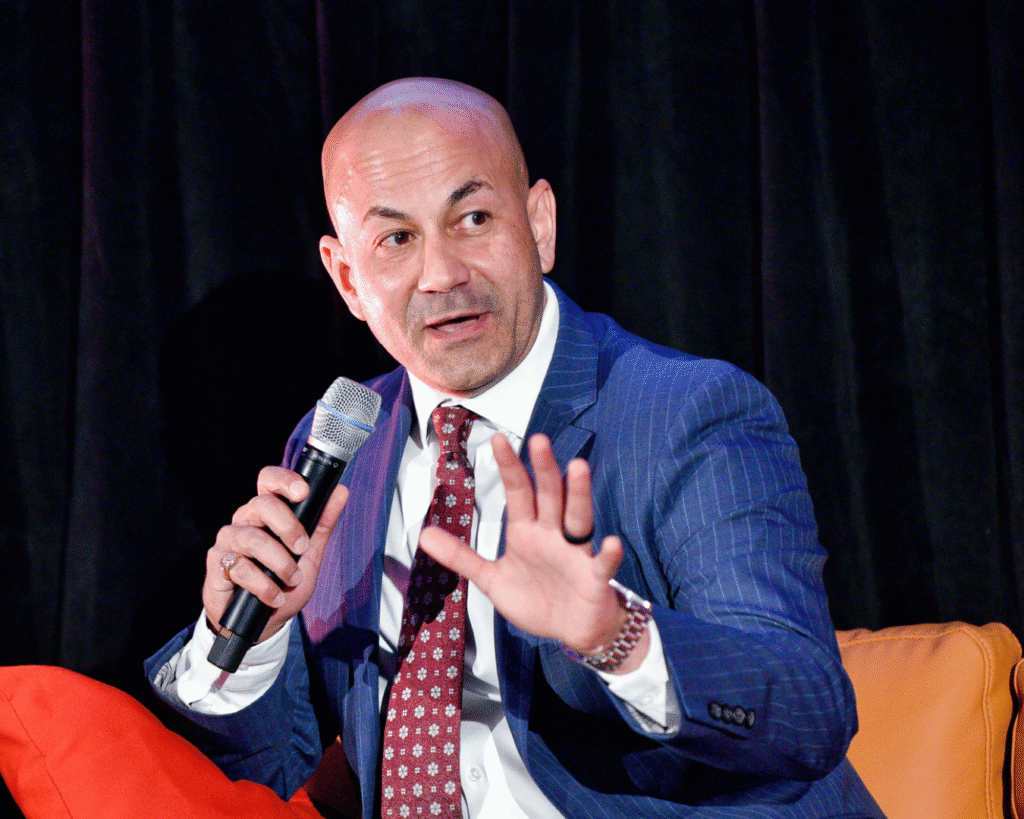
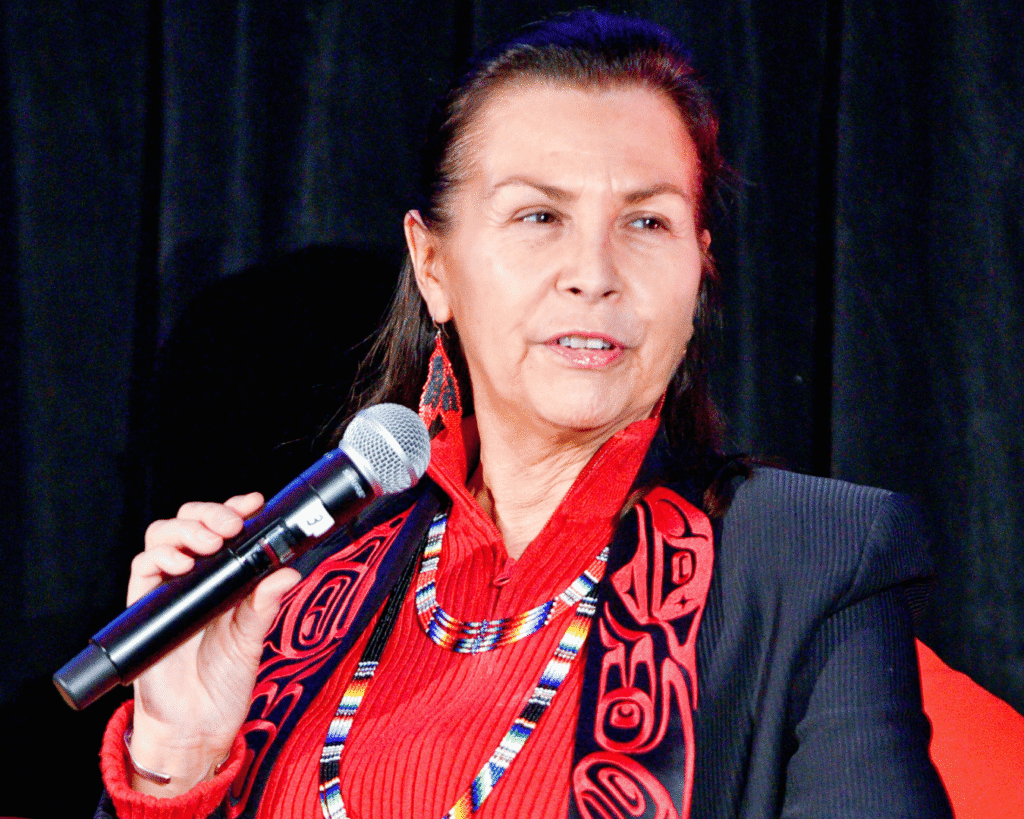
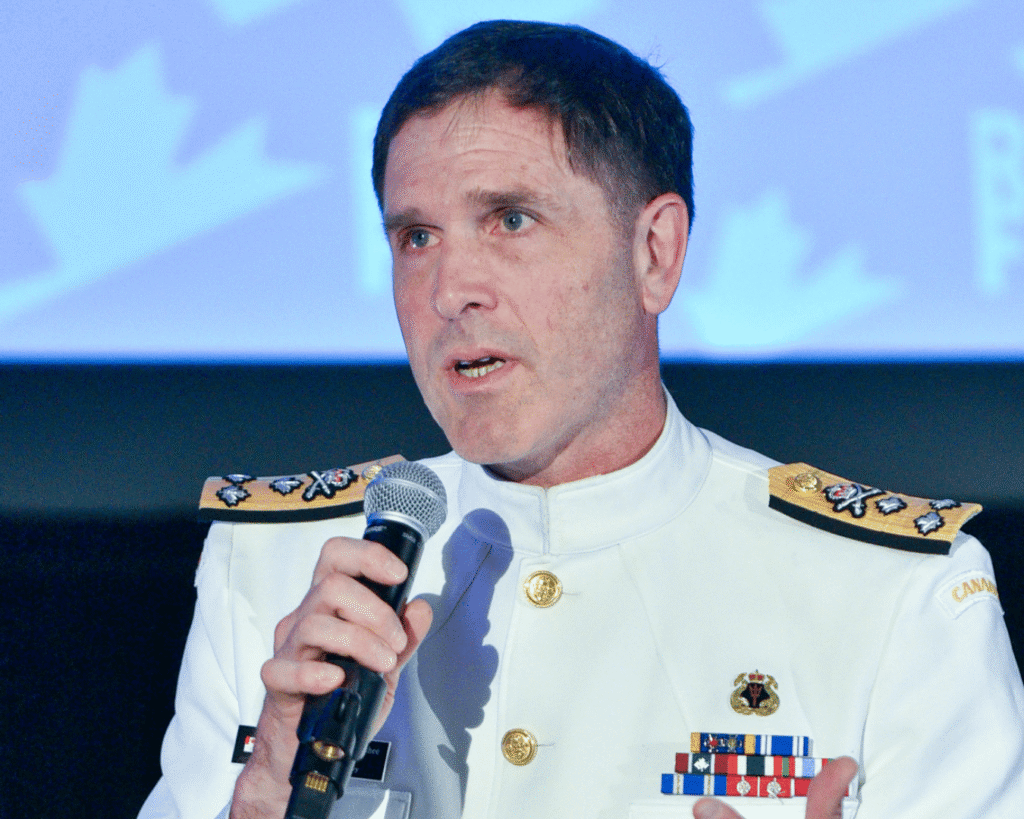
Delegates heard from an extraordinary range of Canadian voices, including Indigenous leaders and thinkers such as Niigaan Sinclair, Natan Obed, and Tabatha Bull, alongside leaders in culture, business, the private sector, labour, and community development including Cameron Bailey, Zita Cobb, Claudine Bouchard, Denis Dubois, and Sean Willy. Delegates also heard diplomatic and global perspectives from the Honourable Bob Rae, and Vice-Admiral Angus Topshee, Commander of the Royal Canadian Navy, as well as Janice Charette, Chief Trade Negotiator to the US.
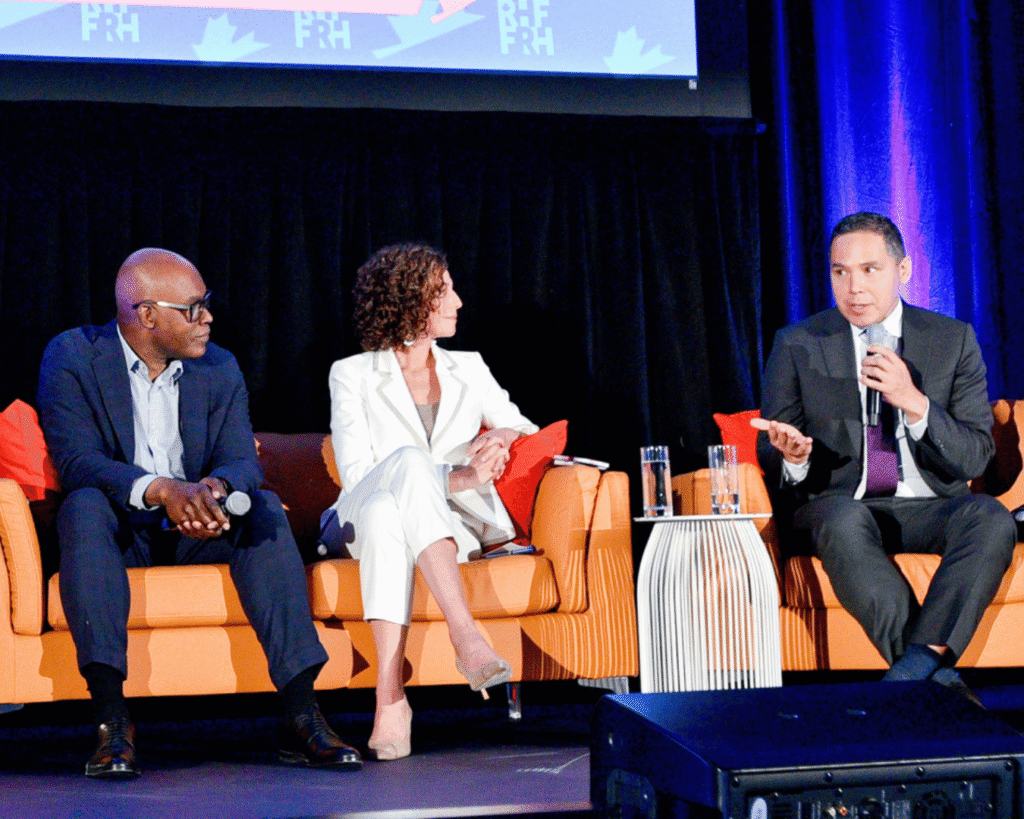
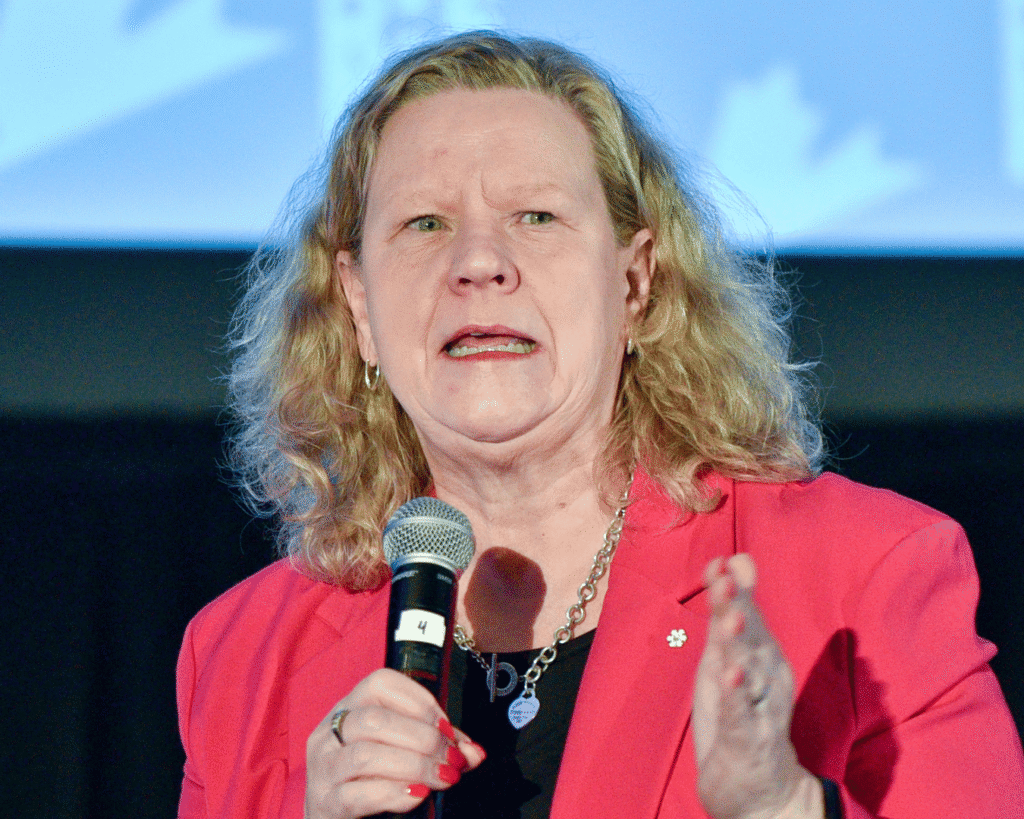
The sessions explored everything from reconciliation and Indigenous economic leadership to energy, trade, culture, and Canada’s role in an increasingly uncertain world.
Across the plenary, one idea surfaced again and again: leadership is not about standing at the front. It is about creating space for others, listening deeply, challenging assumptions, and helping communities move forward together.
Alumni reflections on a transformative experience
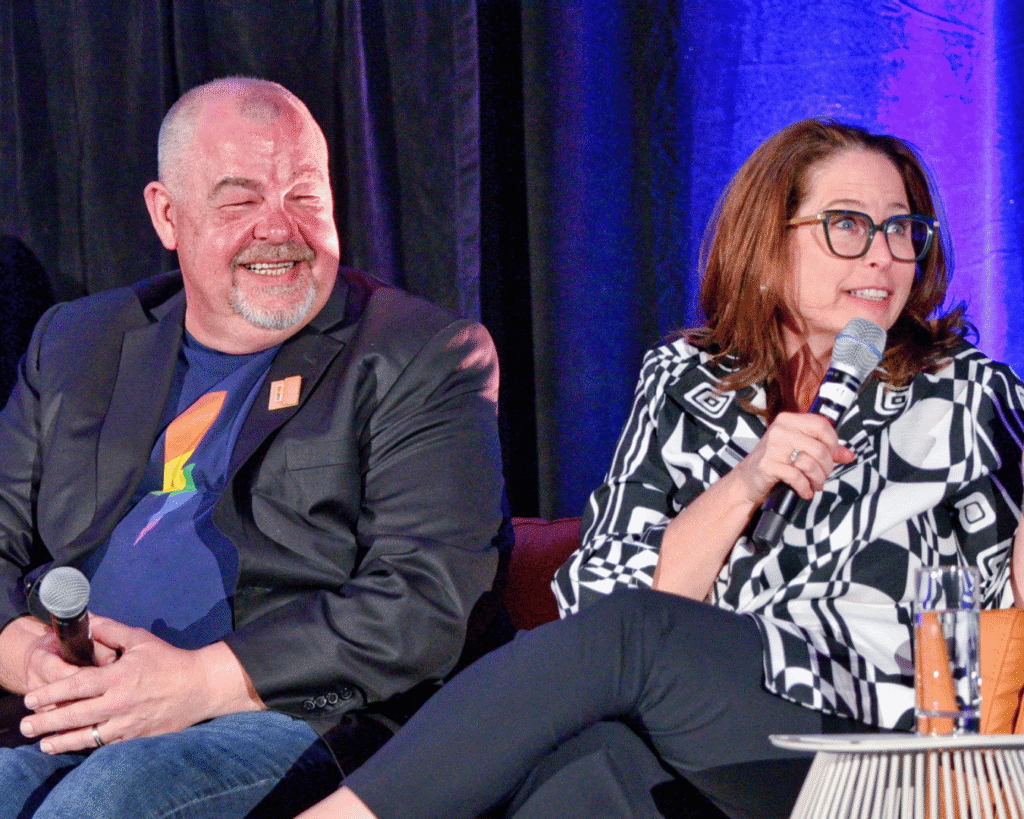
During Friday evening’s “Setting the Stage” discussion, alumni from past conferences shared how the GGCLC challenged their thinking, reshaped their understanding of Canada, and strengthened their sense of responsibility as leaders. They spoke about the value of discomfort, the importance of listening across differences, and the lifelong relationships formed through the experience.
Alumni emphasized that the conference is not simply about leadership development. It is about perspective. Many arrive believing they already understand Canada, their sector, or even their own leadership style. The GGCLC asks participants to question that certainty and engage with experiences they may never otherwise encounter.
Learning from the people beside you
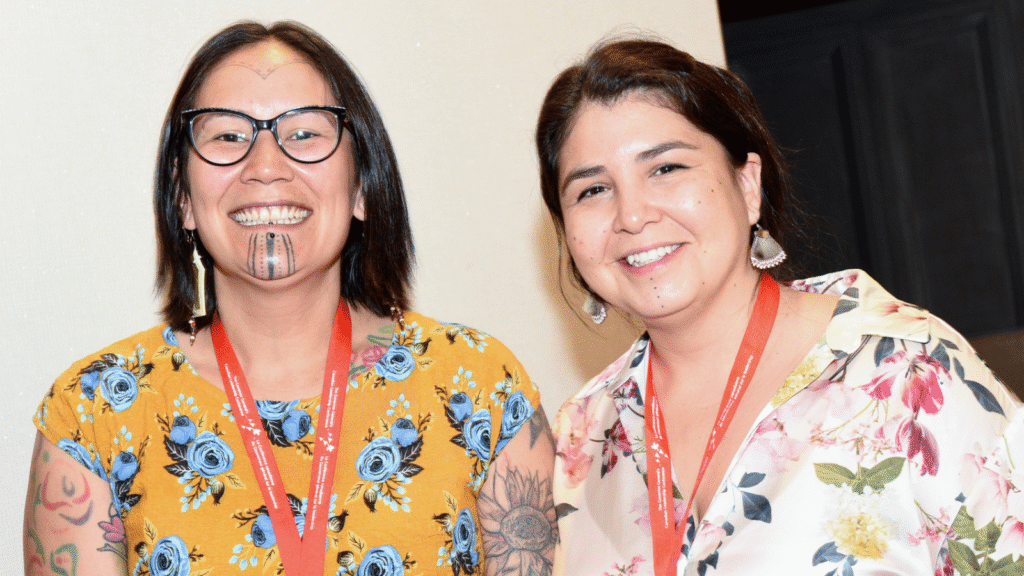
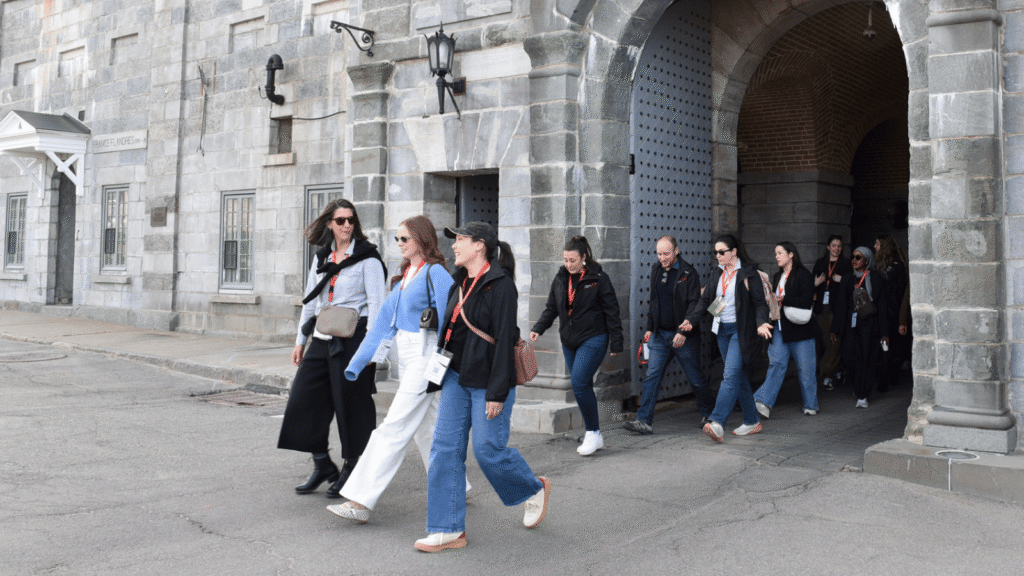
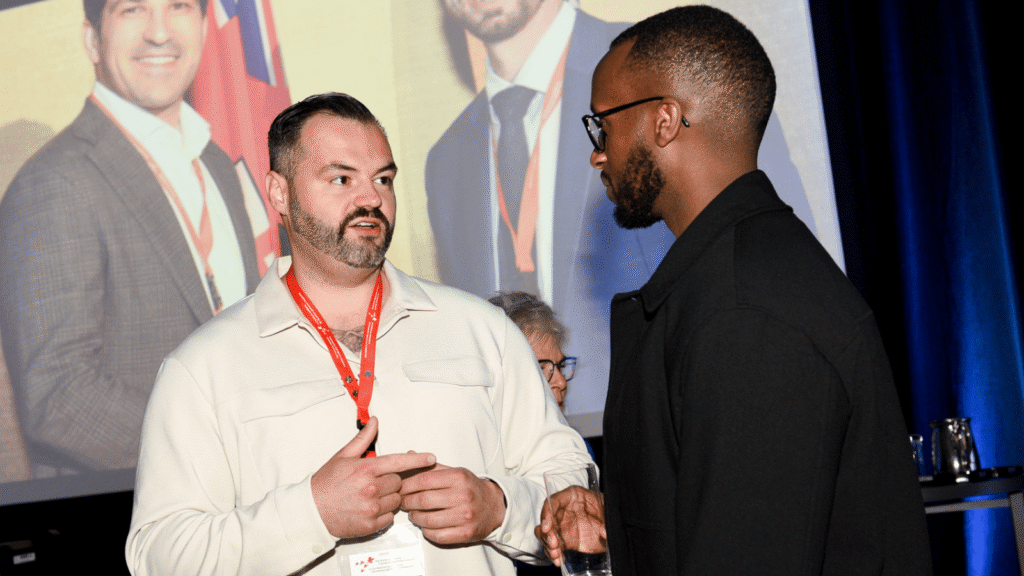
While the plenary sessions provide inspiration and context, delegates know the real journey is only beginning. In the days ahead, study groups will depart for communities across Canada. Along the way, they will explore some of the country’s most complex challenges and opportunities. But as generations of alumni have reflected, the places visited are only part of the story. Often, the people beside you on the bus, around the dinner table, or in late-night conversations become just as important as the communities themselves. Over the next two weeks, strangers will become collaborators, challengers, mentors, and friends. Perspectives will shift. Assumptions will be tested. And delegates will return home with a broader understanding not only of Canada, but of the role they can play in shaping its future.