Did you know that Indigenous Teacher Education Programs date back to the late 1960s?
The earliest programs began as community-driven responses to a clear need: more Indigenous teachers in classrooms, teaching in ways that reflect language, culture, and lived experience. One of the first programs launched in 1968 in the Northwest Territories, creating a model for community-based teacher education that would later be adopted across the country.
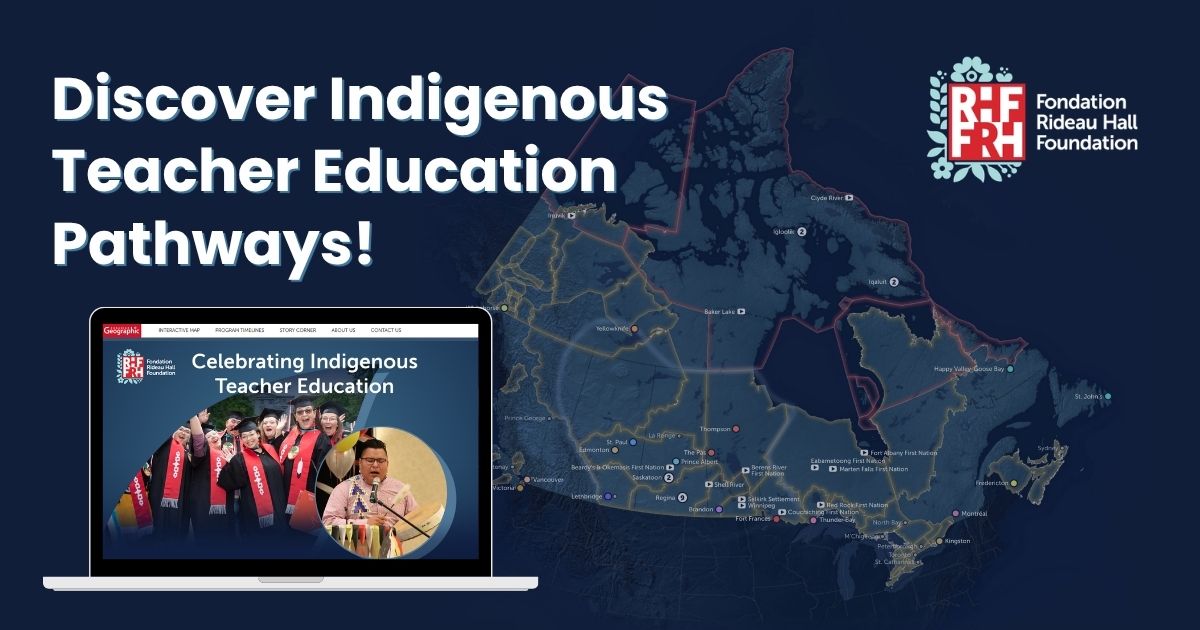
Today, that legacy is visible across Canada. And for the first time, you can explore it all in one place.
What the map actually shows
At first glance, the map shows where Indigenous Teacher Education Programs exist across the country. But as you begin to explore, these programs tell a story, one that stretches back decades and continues to evolve.
- Early foundations, building pathways in community
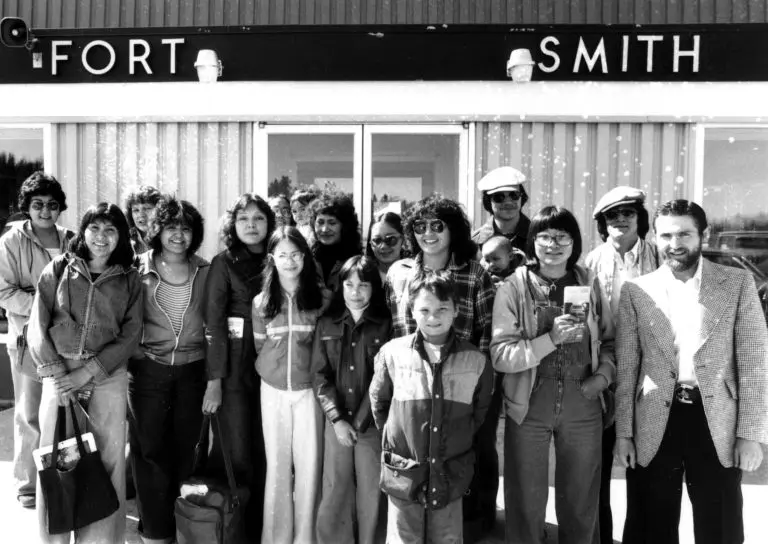
In the Northwest Territories, the Teacher Education Program (TEP) began in 1968 as a short-term training program for classroom assistants. Delivered through northern institutions and partnerships, it quickly expanded into diploma and degree pathways, helping establish one of the first community-based models of teacher education in Canada.
- From programs to Indigenous-led institutions
In Saskatchewan, work led by the Federation of Saskatchewan Indians in 1969 resulted in the creation of the Saskatchewan Indian Federated College in 1976, now First Nations University of Canada. In partnership with the University of Regina, this marked a shift beyond individual programs toward Indigenous-led post-secondary institutions, embedding teacher education within a broader system rooted in culture, language, and community.
- Expanding access through flexible models
In Alberta, early community-led initiatives like those at Blue Quills First Nations College evolved into what is now the Aboriginal Teacher Education Program (ATEP), delivered with the University of Alberta and partner colleges. Today, ATEP includes cohort-based and online options, allowing students to remain in their home communities while completing their degrees.
- Designing pathways grounded in language and culture
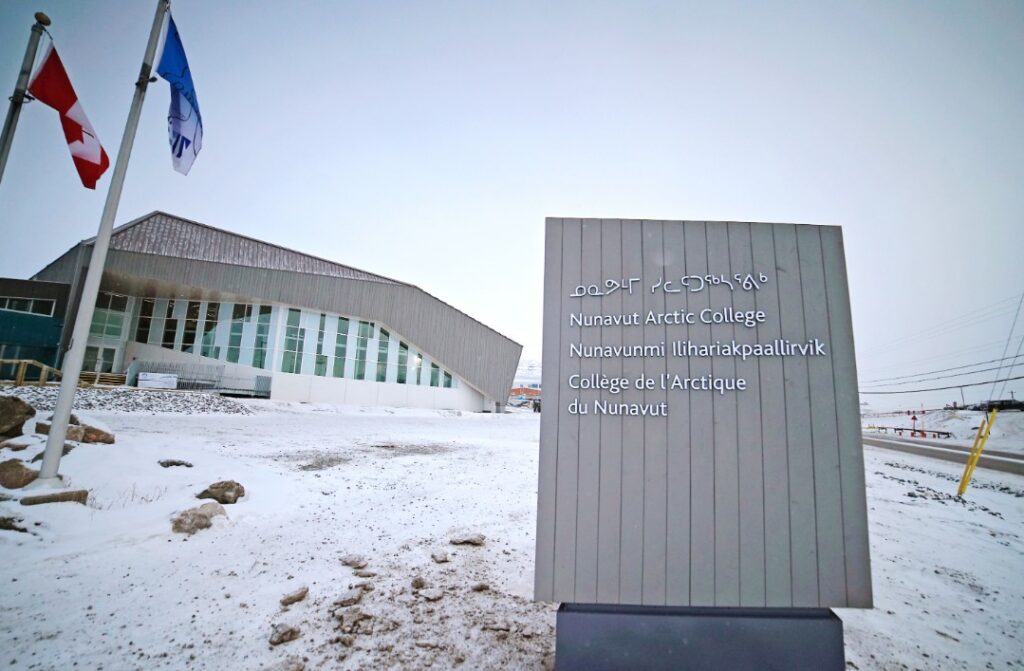
In Nunavut, the Nunavut Teacher Education Program (NTEP), delivered through Nunavut Arctic College in partnership with southern universities, was established in 1979 to better serve Inuit communities. It has grown into a layered pathway, from certificate to diploma to degree, with learning grounded in Inuktut and Inuit knowledge.
- New models, shaped by today’s realities
More recent programs continue this evolution. The Wabanaki Bachelor of Education, delivered through the University of New Brunswick, allows students to complete their degree from home, with land-based gatherings and Mi’kmaq or Wolastoqey language learning embedded directly into both coursework and practicum.
There is a clear progression – from early programs created to meet urgent needs, to flexible, community-rooted models that centre language, culture, and connection to place. Together, they have supported thousands of Indigenous educators across Canada, and continue to grow.
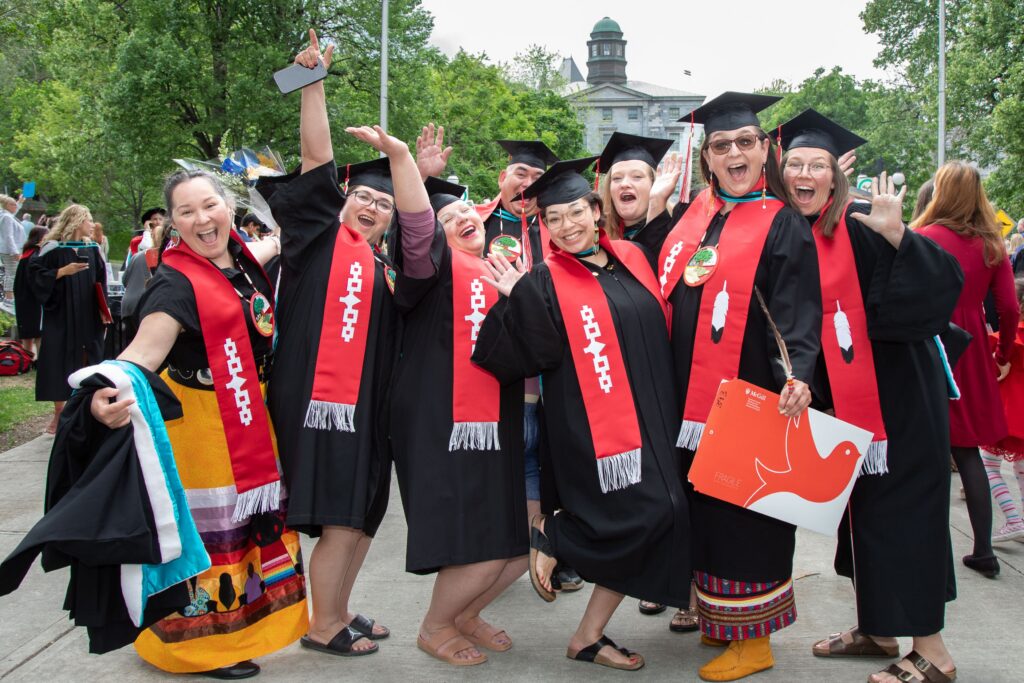
The map shows that Indigenous teacher education is not new. It is decades in the making, built by communities, shaped by advocacy, and sustained by generations of students and educators.
Start exploring
Whether you are considering teaching, supporting this work, or simply want to understand it better, the map offers a place to begin. Each click reveals a program, a story, a history, and a path forward.