On the islands of The Bahamas, sustainability is more than a nice buzzword. Fragile coral reefs, food insecurity, and the accelerating impacts of climate change are contributing to a reality in which Bahamians must integrate sustainability into every sector of their economy and every aspect of life from food systems to tourism. Through Dalhousie University’s Queen Elizabeth Scholars (QES) project, Global Perspectives on Sustainability through Education, students learned about these challenges and then took their learning further by contributing to solutions designed to endure long after their placements end.
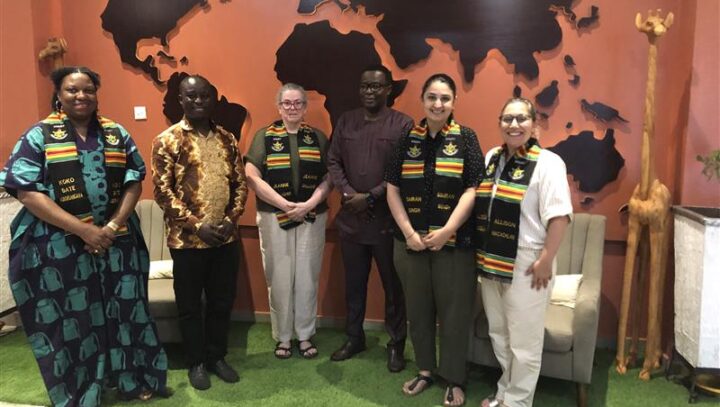
Hosted in partnership with the University of The Bahamas (UB) and the Cape Eleuthera Institute (CEI), the project flips the traditional model of international education on its head. It embeds scholars into Bahamian-led priorities, strengthening local capacity while generating globally relevant insights rather than being limited to short-term placements and extractive research disconnected from communities.
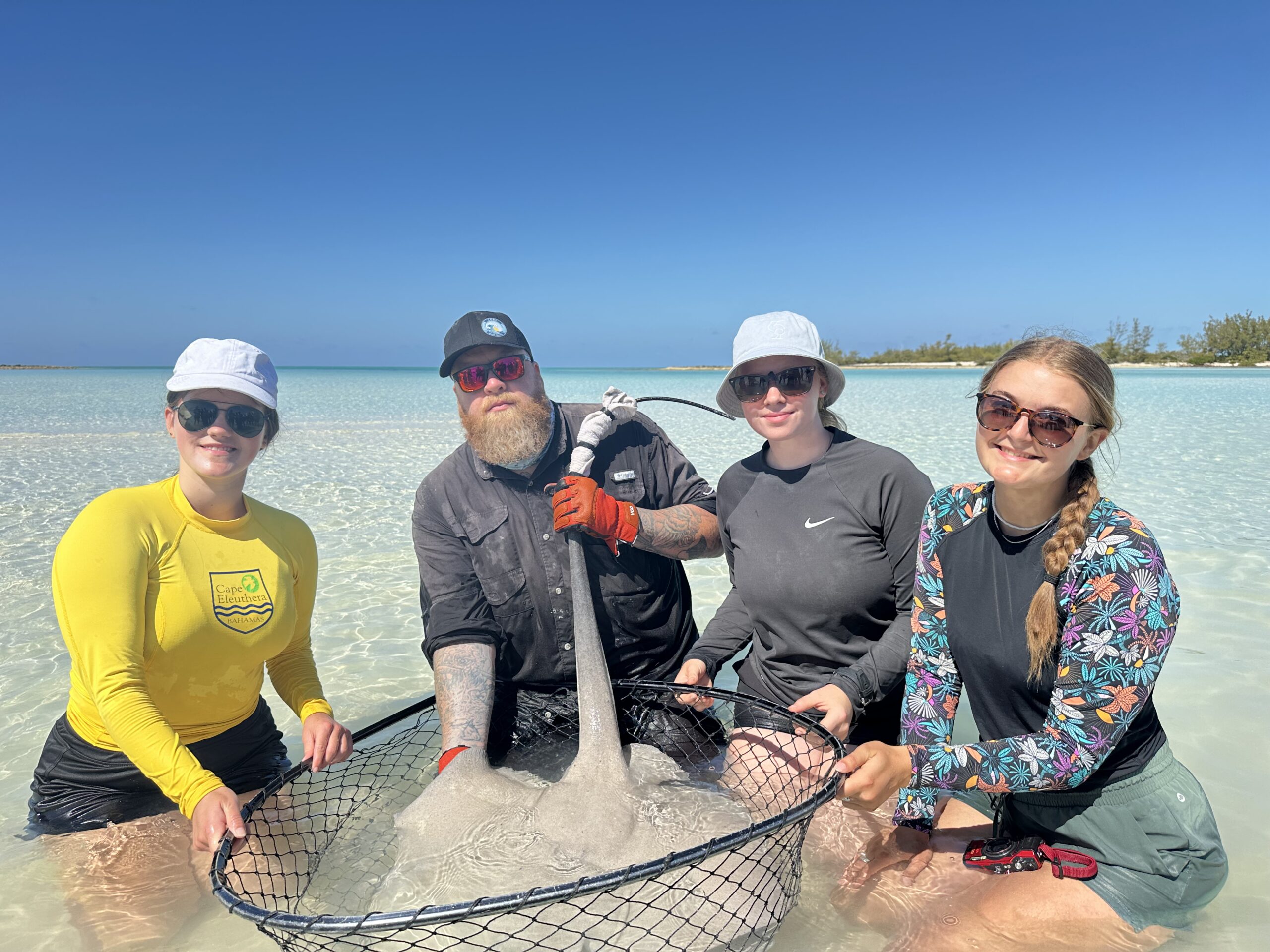
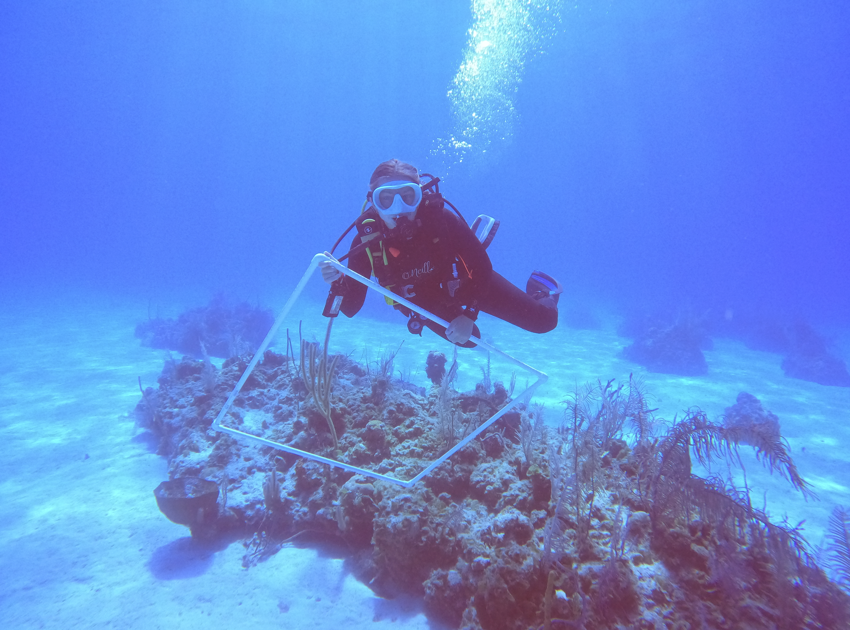
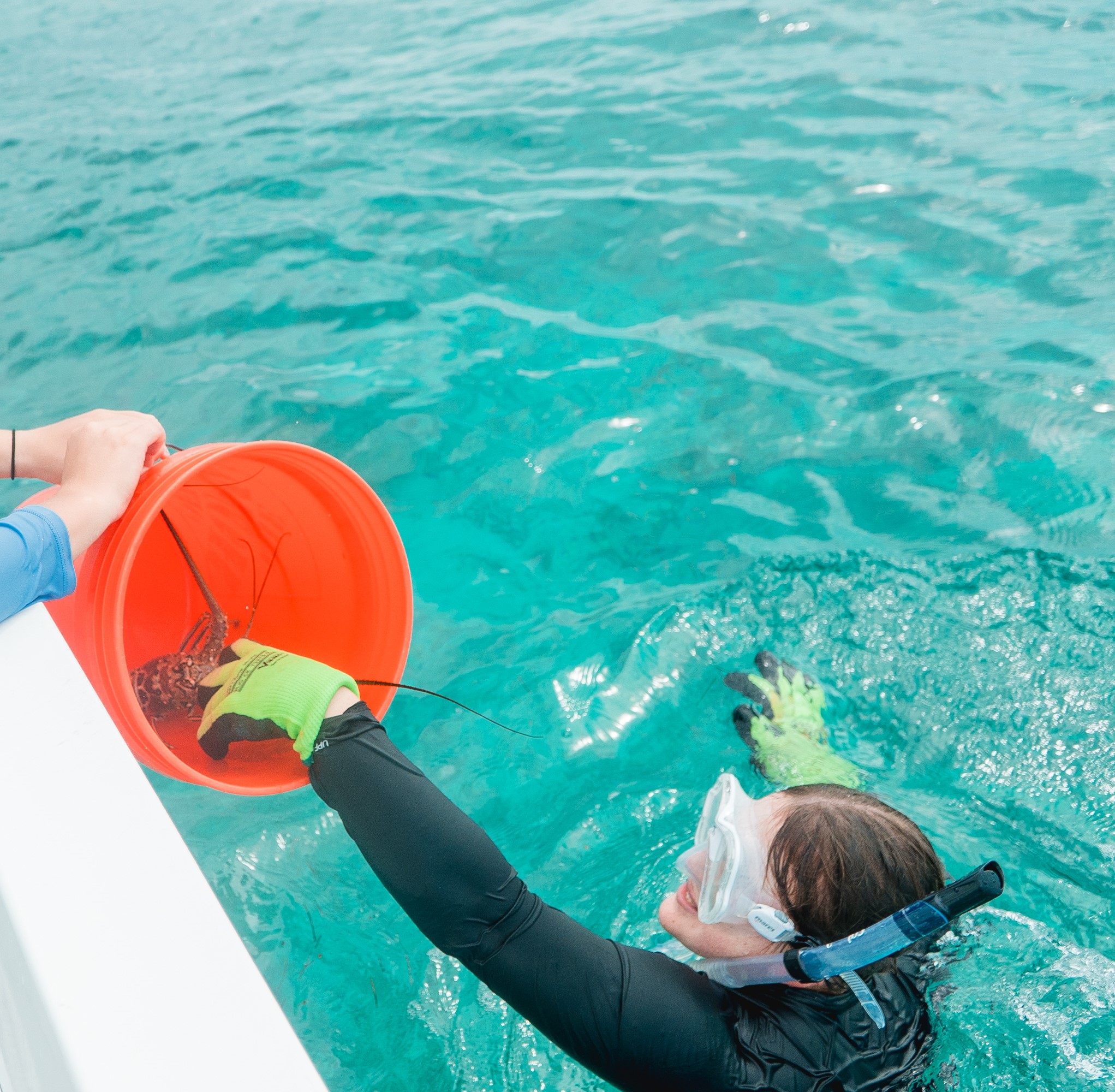
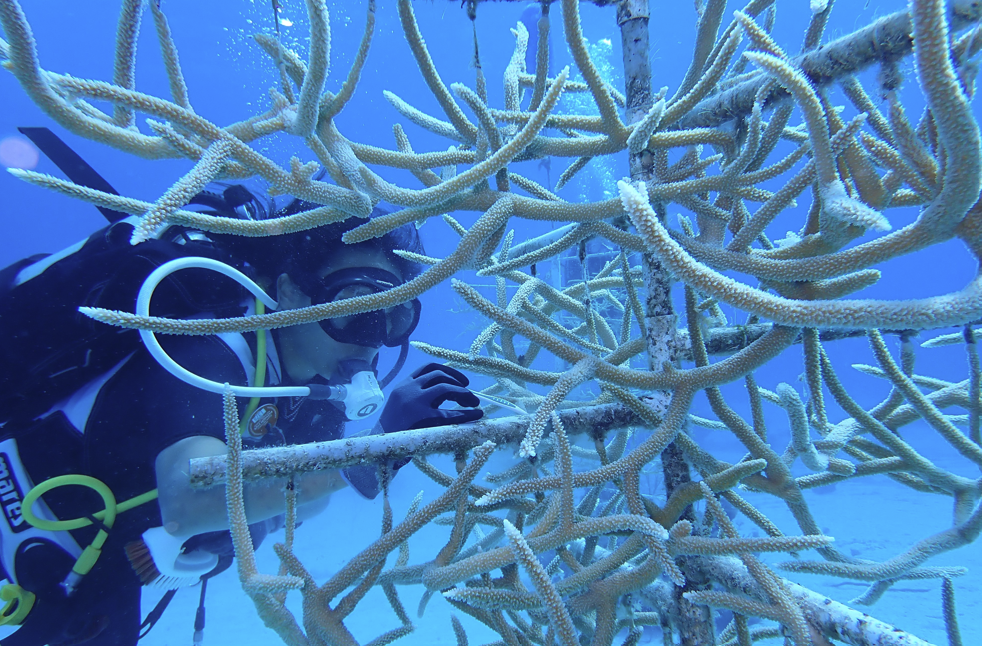
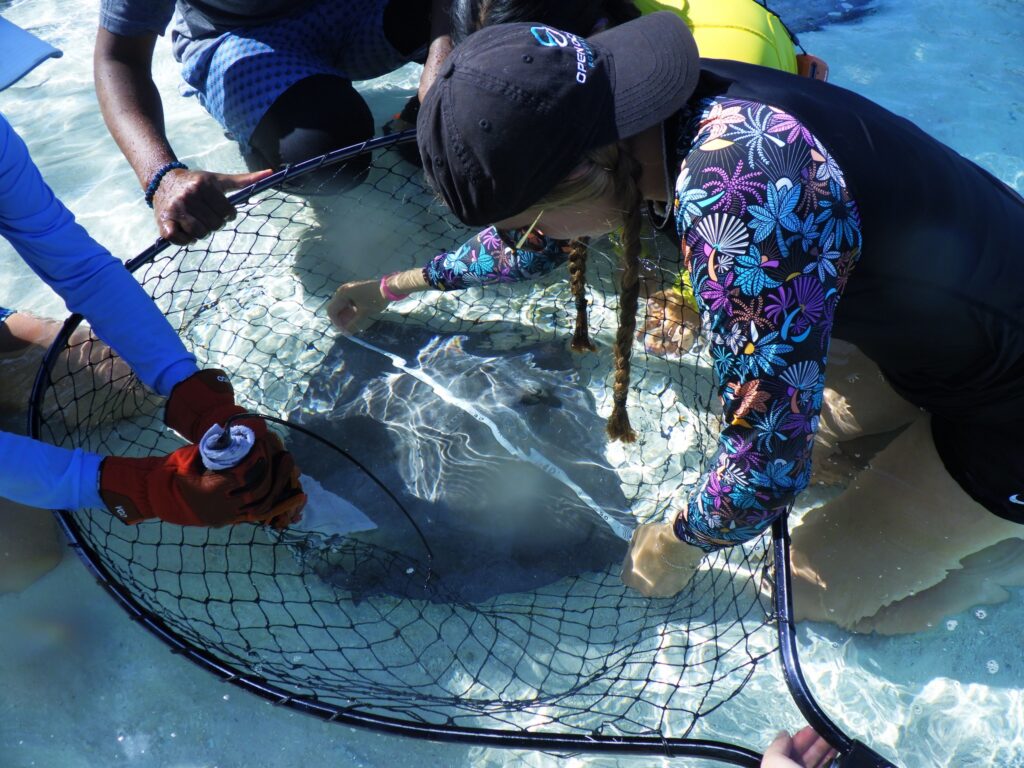
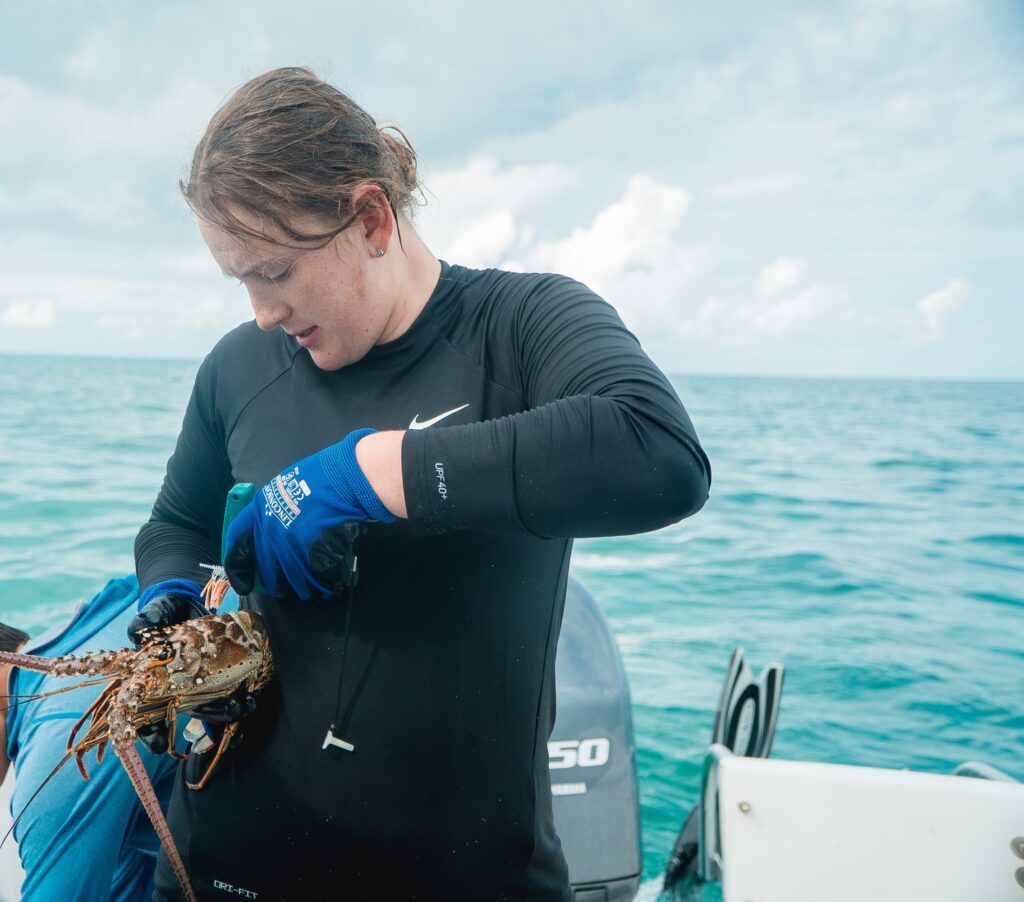
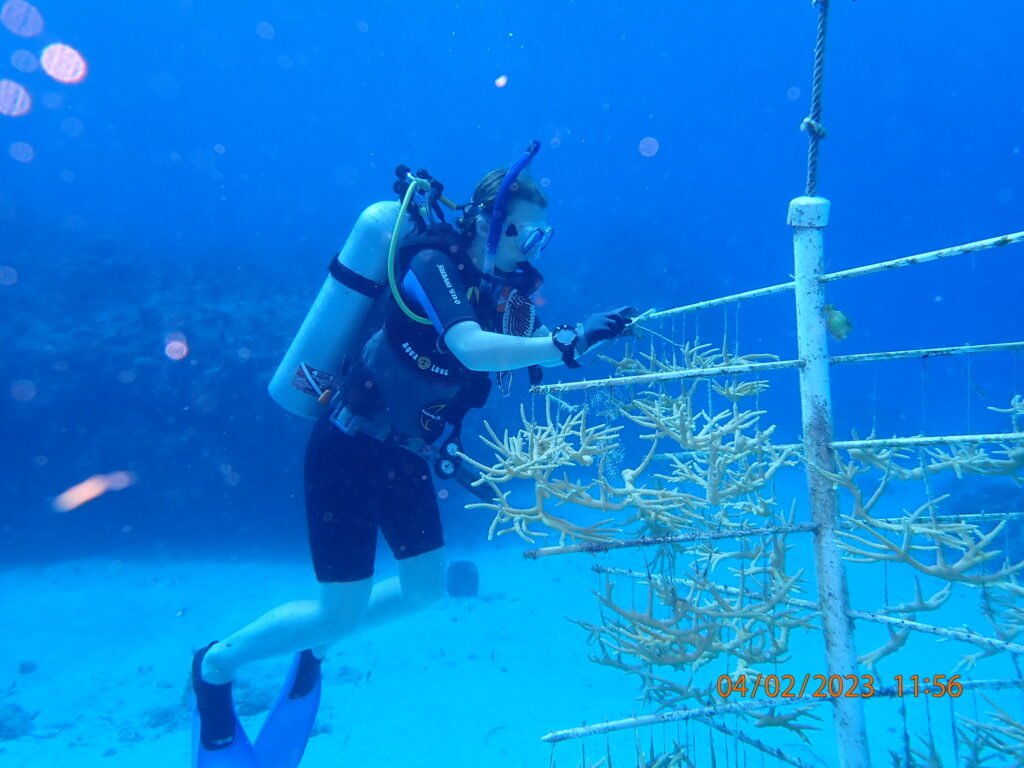
For The Bahamas, the impact is tangible. At CEI, Dalhousie’s undergraduate QEScholars support applied research across marine conservation, sustainable agriculture, and resilient infrastructure. In marine research placements, students work alongside scientists on turtle and shark ecology, sustainable fisheries, and most urgently, coral restoration. As reefs face mounting pressure from warming oceans and pollution, scholars help test and implement innovative restoration techniques that accelerate natural recovery, supporting ecosystems that protect coastlines and sustain livelihoods.
Beyond the water, scholars contribute to food security solutions through sustainable agriculture and aquaponics. CEI’s closed-loop systems use fish waste to fertilize vegetable crops consumed on-site which reduces reliance on imported food while lowering environmental and economic costs. These systems also serve as living laboratories, demonstrating scalable solutions for island communities facing similar constraints.
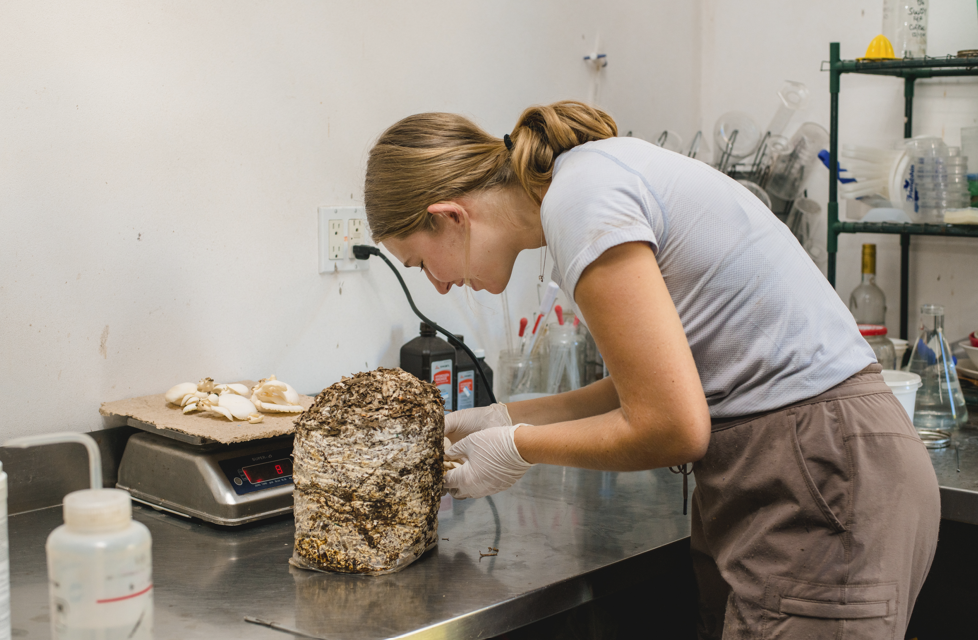
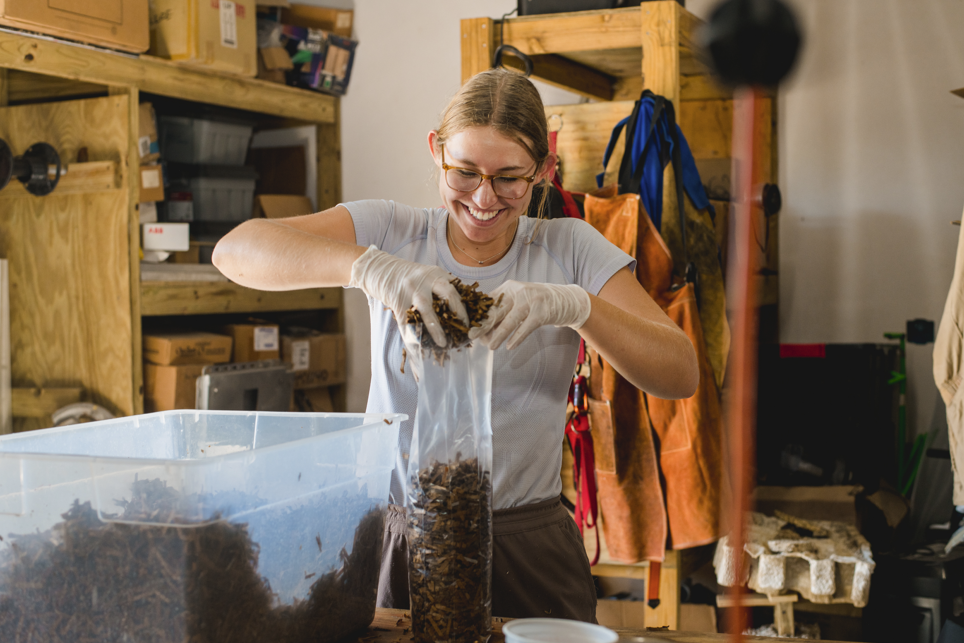
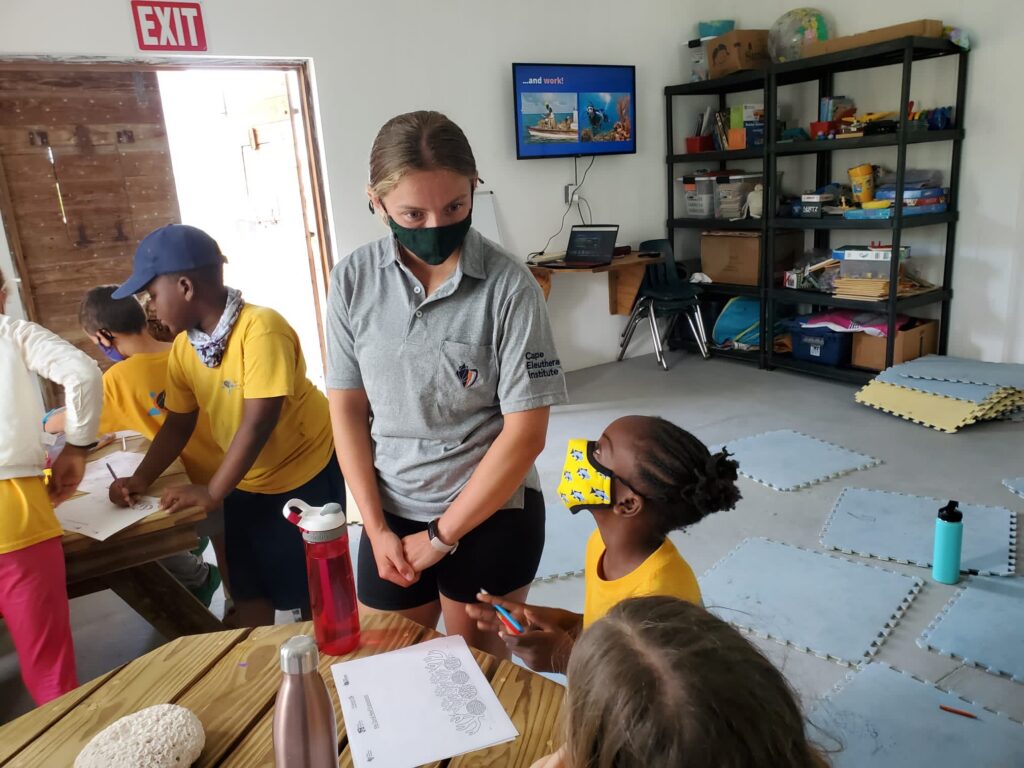
The sustainable systems stream extends the impact further, with scholars supporting solar energy initiatives, waste treatment innovations, and community outreach. Knowledge goes far beyond the campus with scholars regularly engaging with local residents, teaching hands-on science to the local middle school, listening and learning to lived experience, and sharing tools and practices with one another that help neighbourhoods become more resilient.
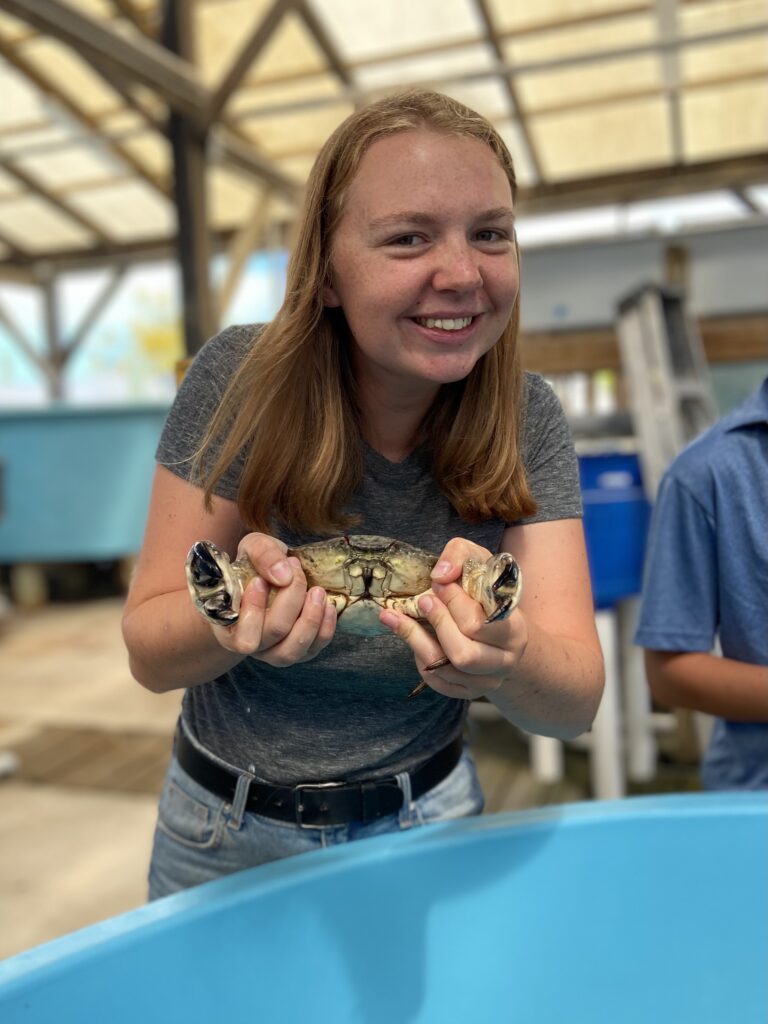
The ripple effects extend into academia and policy. The partnership supports the University of The Bahamas’ Master’s by Research program by offering students international research opportunities and helping expand graduate capacity. But student learning is not the only outcome of research produced through the program. This research is also feeding into peer-reviewed publications and evidence-based decision-making, amplifying Bahamian voices in global sustainability conversations.
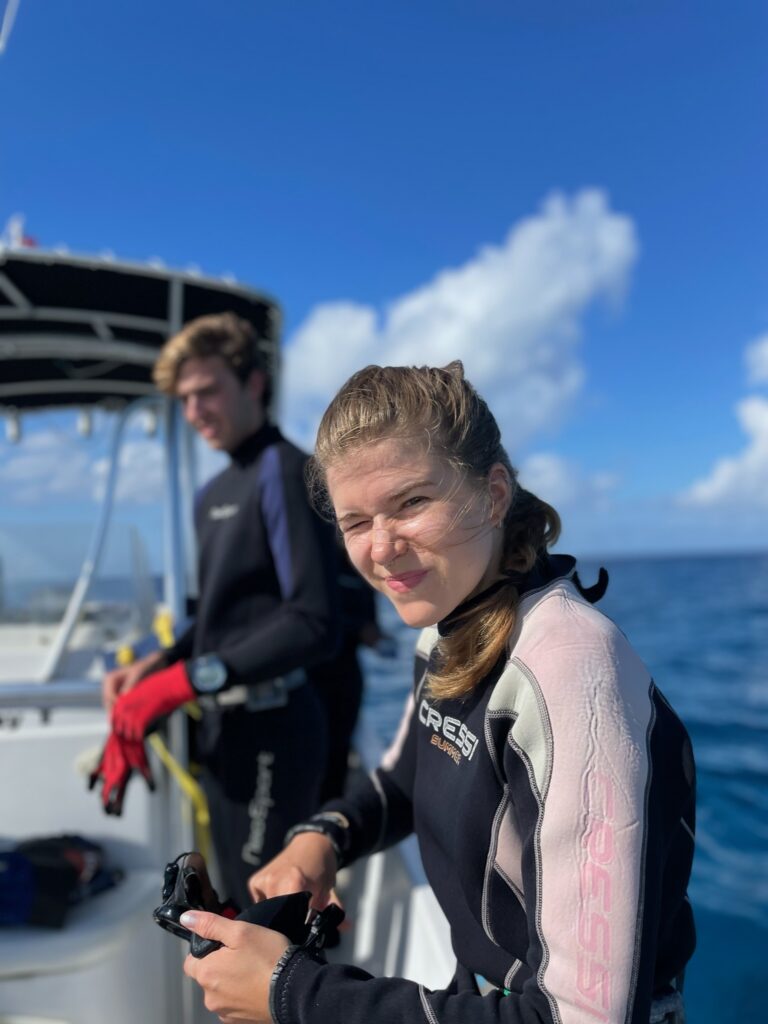
For Dalhousie, the program demonstrates what ethical, reciprocal international education can look like. For The Bahamas, it embodies what sustainability can look like in an academic context. That is, strengthened research connections and a growing network of collaborators invested in the country’s future.
As climate and sustainability challenges intensify worldwide, this QES project shows how impact can multiply when learning is grounded in place and when the benefits flow outward, long after the scholars have returned home.