Teresa Marques, President & CEO, Rideau Hall Foundation
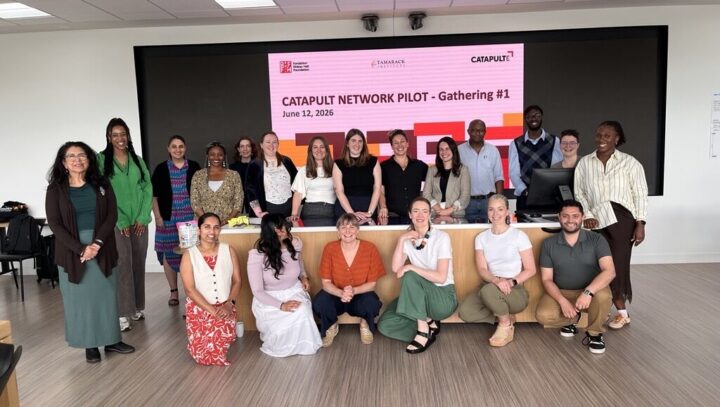
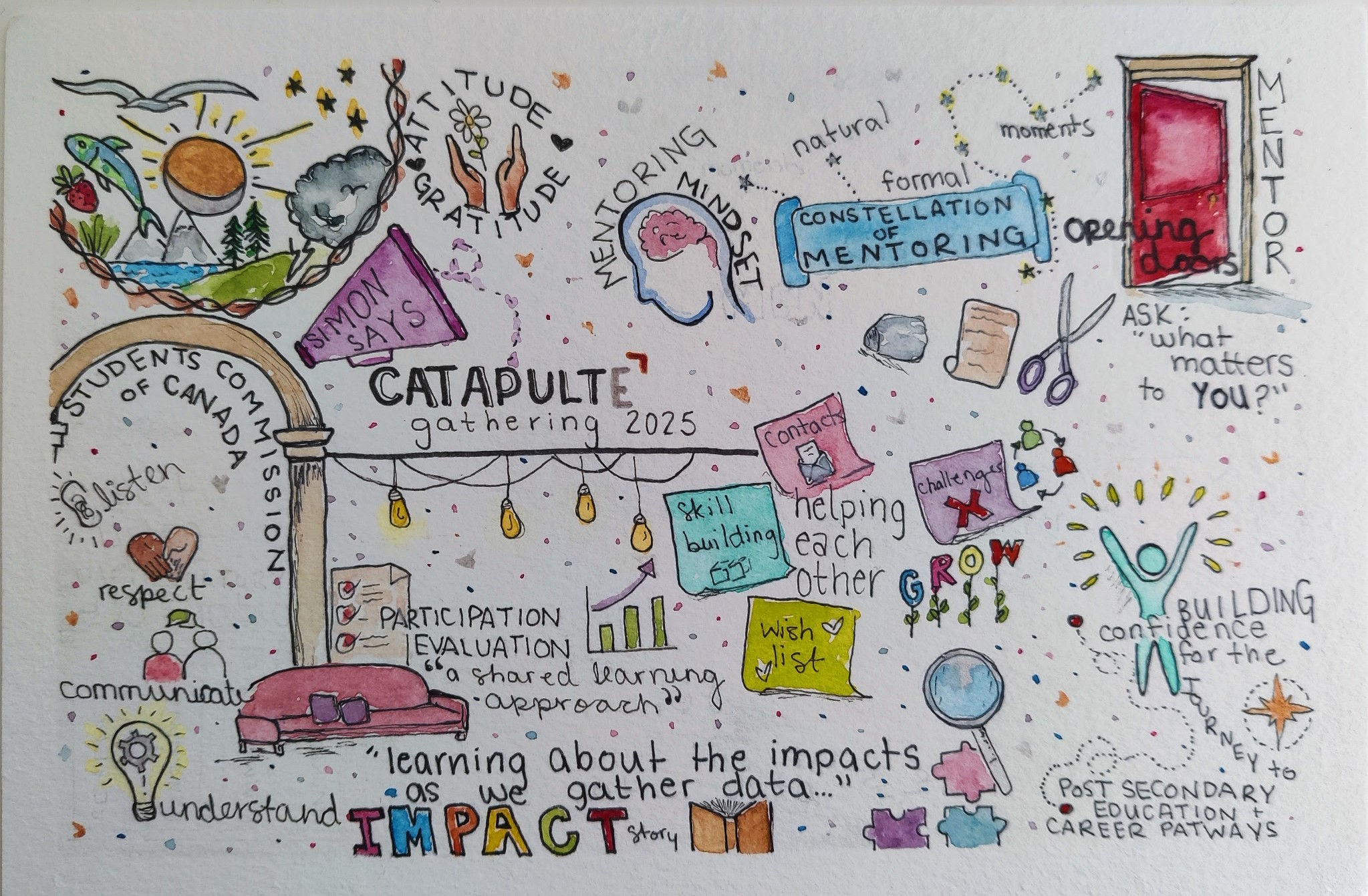
Last month, the Rideau Hall Foundation brought together Catapult Canada grantees from across the country for a national gathering focused on shared learning, collaboration, and strengthening the systems that support young people. It followed one of our most competitive open grant calls to date. More than 700 applications were submitted for an available pool of $4 million, representing over $88 million in requests from youth-serving organizations across Canada.
This level of demand tells a story that extends far beyond a single grant cycle. It reflects a sector that is strained yet hopeful, innovative yet overextended, deeply committed yet still searching for long-term stability. And it reinforces why Catapult exists: to help grow, nurture, and strengthen the ecosystem that surrounds young people as they learn, lead, and chart their own paths.
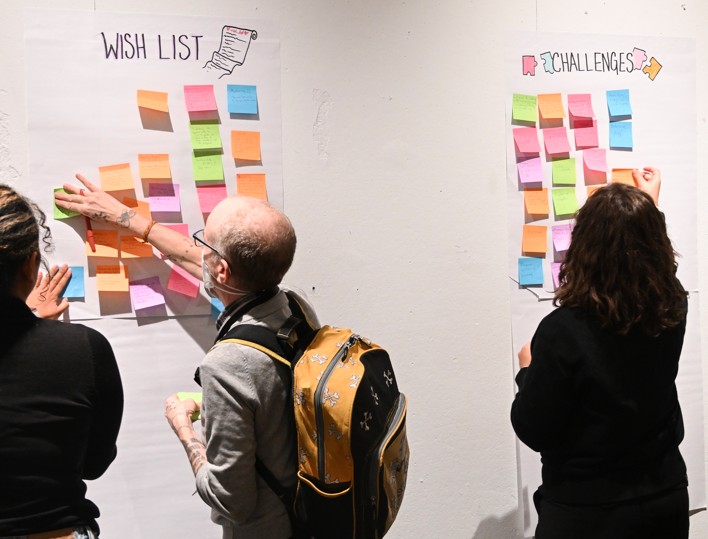
From conversations at the gathering and the hundreds of applications we reviewed, three themes stood out that will help shape our thinking around the next steps our Catapult Canada program:
1. The demand for youth programs is growing faster than the funding to sustain them
Across the country, organizations are expanding programs, adding waitlists, trying to meet rising mental health needs, and stepping into gaps where public systems are stretched thin. In our most recent Catapult grant call, applications far outpaced available funding. It’s clear that communities need more.
Philanthropy has a real and immediate role to play. Flexible, equity-focused funding helps organizations adapt, try new approaches, and build the infrastructure that sustains long-term impact. As one grantee said:
“This funding from the RHF allows us to implement multi-tiered services that, in conjunction with our mentorship and one-on-one support models, create comprehensive pathways for deeper, long-term impact in our communities”
Strengthening this ecosystem is essential, and Catapult will continue to be a platform that helps communities grow what works.
2. Behind every grant is a network of people building better systems for youth
If there is one thing the Catapult community makes clear, it’s that learning doesn’t happen in isolation. Behind each grant is a circle of staff, volunteers, Elders, educators, and community leaders working together to fill gaps that no single system was built to address. Many organizations told us that they are the first ones families call when a young person is struggling, when school support isn’t enough, or when a newcomer youth needs a place to belong.
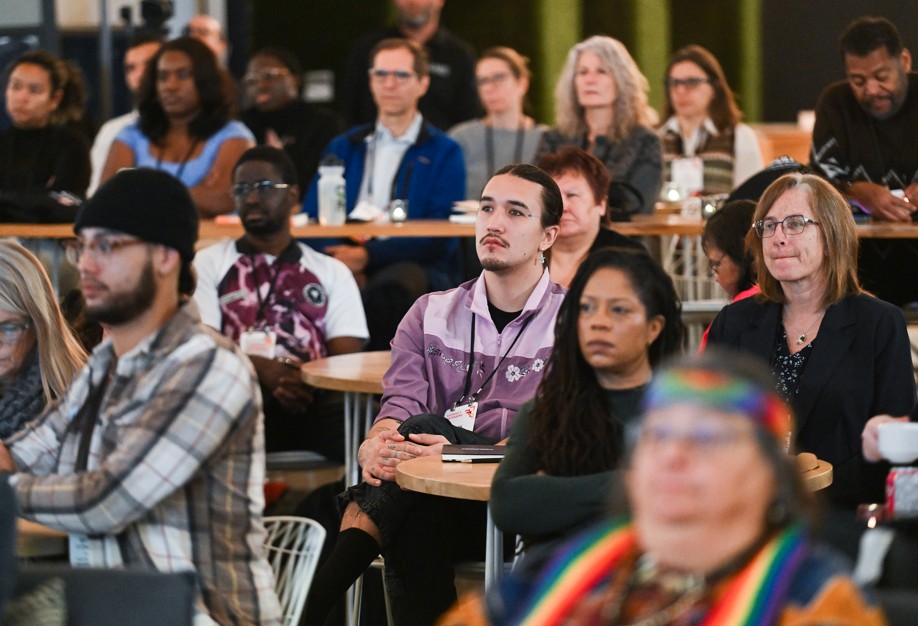
At the gathering, grantees spoke openly about the weight they carry, but also the power of being connected to a national network. Sharing models, tools, and ideas helps small organizations feel less alone and helps larger organizations bring innovations into new communities. This is the kind of collective strength that allows communities to nurture what they’ve built.
“The sense of community the gathering created was so welcoming, and I loved all the connections we made. I came away with clear ideas of small changes we can make to strengthen our program.”
3. When youth are trusted and supported, they become leaders of their own learning
Perhaps the strongest theme, echoed across applications, panels, and hallway conversations, is the power of youth leadership. Grantees repeatedly reminded us that young people aren’t waiting for permission to lead. They’re already doing it. When trusted with responsibility, given opportunities to shape programs, and offered space to speak about their realities, they create ideas and solutions adults would never reach alone.
Youth aren’t “leaders of tomorrow,” they are key contributors today. Their voices help shape safer schools, stronger communities, culturally grounded learning, and new approaches to technology, creativity, and civic engagement. When we trust and support them, their ideas bloom.
The conversations at this year’s gathering made one thing clear. The work happening across the Catapult community is real, local, and often challenging, but it’s changing outcomes for young people every day. What we heard gives us clear direction for where support is most needed and where the work of the RHF can keep strengthening the ecosystem around youth. There is momentum here, and it comes from the people showing up for young people every day.